63×20 Full-Length Mirror: Wall Space & Clearance Guide
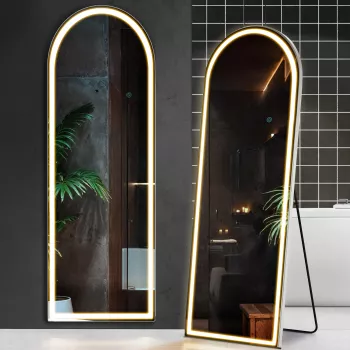
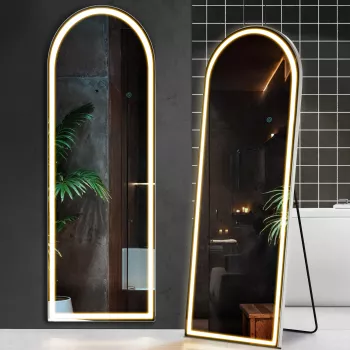
What wall space do I need for a 63″x20″ full length mirror, and how much clearance should I leave around it?
Minimum wall space for the mirror itself
A 63″x20″ full length mirror needs a flat wall area that’s at least 63 inches tall and 20 inches wide. That’s the bare minimum to fit the frame. In real rooms, it’s smarter to plan for a slightly larger “work zone” so the mirror doesn’t feel cramped, the frame isn’t rubbing trim, and you have room to mount it safely.
Recommended clearance around the mirror
For a clean look and easier installation, leave about 2–4 inches of clearance on each side and 2–6 inches above the top. That means aiming for roughly 67–75 inches of usable wall height and 24–28 inches of usable wall width. If the mirror has features like an LED border or you want it to stand out as a focal point, closer to 4 inches per side tends to look more intentional.
Clearance below (and why it matters)
Plan for at least 6–12 inches of clearance below the bottom edge if you’re mounting it, especially in high-traffic areas. This helps avoid baseboard interference, reduces scuffs from shoes or vacuums, and makes it easier to wipe the floor. If you’re placing the mirror near furniture (a dresser, bench, or shoe cabinet), leave enough space so drawers and doors can open without hitting the frame.
Extra space for leaning or angled placement
If you’re leaning the mirror rather than mounting it flush, you’ll need floor space in front of the wall. A slight lean can push the top edge several inches forward, so keep a comfortable walkway and avoid placing it where a door swing could strike it.
Need mounting and style tips for this size?
For more setup ideas and details on a 63″x20″ mirror option, visit the main guide here: https://lirete.com/guide-63×20-led-full-length-mirror-3-color-dimmable-aluminum-frame/.
FAQ
Can a 63″x20″ mirror be mounted on a door instead of a wall?
Yes, if the door is solid and the hardware is rated for the mirror’s weight. Make sure the mirror won’t interfere with door trim, the handle area, or the door’s swing clearance.













Leave a comment