Do Full-Spectrum LED Grow Lights Really Work Indoors?
Do LED Full-Spectrum Grow Lights Work?
Yes—LED full-spectrum grow lights work when they deliver the right intensity and spectrum for the plant and the growing stage. “Full-spectrum” typically means the light includes a broad spread of wavelengths similar to natural daylight, which supports photosynthesis and balanced growth for many common houseplants, herbs, and seedlings.
Why full-spectrum LEDs can be effective
Plants use light primarily in the blue and red ranges, with other wavelengths helping regulate plant structure and development. A quality full-spectrum LED can provide a usable mix of these wavelengths while staying energy-efficient and cooler than many older lighting options. That lower heat output can reduce leaf scorch risk and make placement easier in tight indoor setups.
What matters most: intensity and distance
Even a good spectrum won’t help if the light is too weak or too far away. Most indoor plant issues under grow lights come from insufficient intensity. As a rule, higher-light plants (like many fruiting crops) need stronger output and closer placement than low-light foliage plants. Adjusting height and runtime is often more important than chasing a specific “perfect” spectrum label.
How long should lights run?
Many indoor growers run full-spectrum LEDs about 10–14 hours per day for leafy growth, then adjust based on the plant’s response. Watch for stretching (not enough light), bleached patches (too close/too intense), and slowed growth (often a mix of light, watering, and nutrition).
What to look for when buying
Prioritize reputable performance details—wattage (true draw), coverage area at a given hanging height, and ideally PPFD/PAR data—over vague marketing terms. A solid housing and stable dimming also help fine-tune output without constantly moving the fixture.
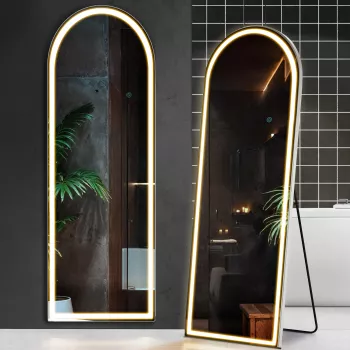
For a practical example of modern LED lighting features like dimming and multi-mode lighting, see the main guide here: https://lirete.com/guide-63×20-led-full-length-mirror-3-color-dimmable-aluminum-frame/.
FAQ
What is the difference between full-spectrum and red/blue “blurple” grow lights?
Full-spectrum lights look more like natural white light and are generally easier to live with indoors, while red/blue fixtures focus mainly on photosynthesis-heavy wavelengths. Both can grow plants, but full-spectrum options tend to provide more balanced visual and plant-development results for mixed plant setups.









Leave a comment