Helping a Dog With High Anxiety: Best Calming Options
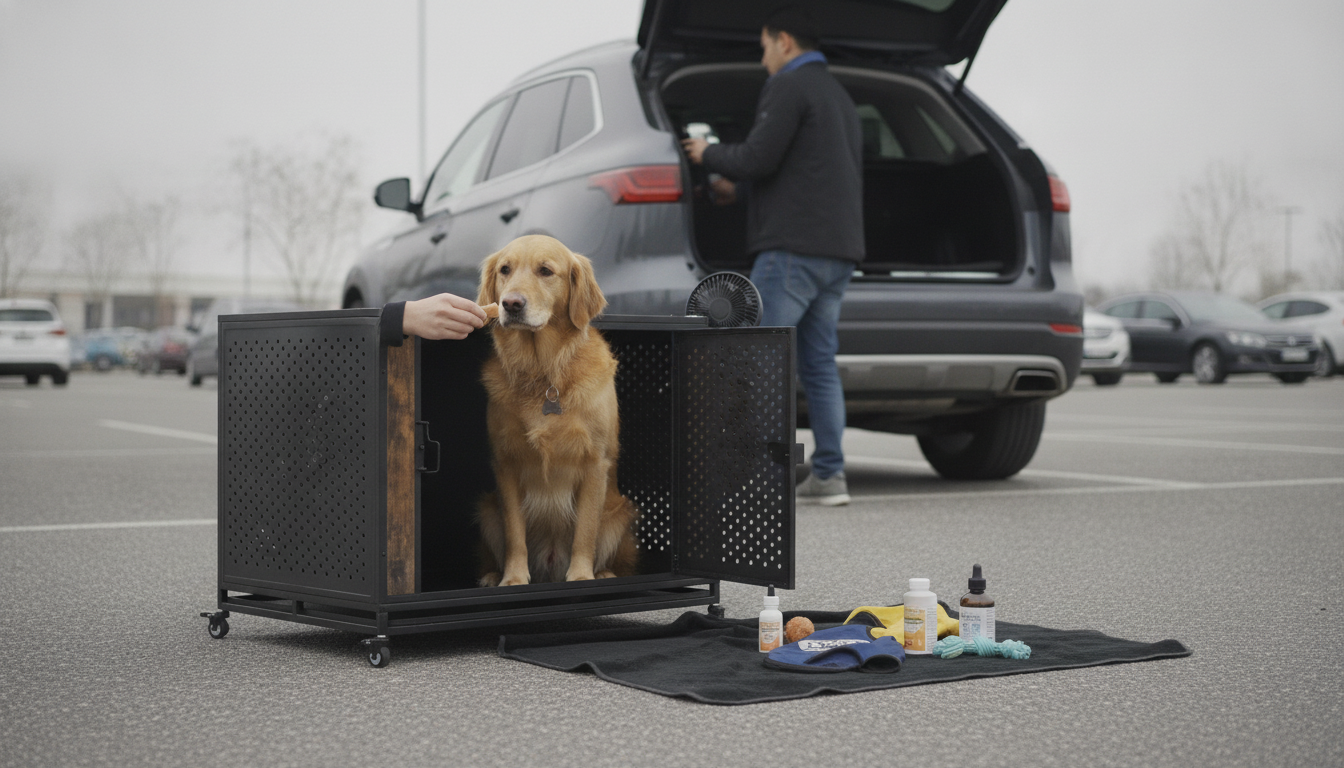
What is the best thing to give a dog with high anxiety?
The best “thing” to give a dog with high anxiety is usually a calm, predictable plan—paired with one or two targeted supports that match what’s triggering the stress. For many dogs, the most effective combination is: a safe, den-like space they can choose to retreat to, a vet-approved calming aid when needed, and structured mental/physical outlets that lower arousal over time.
Start with a safe space (and make it feel secure)
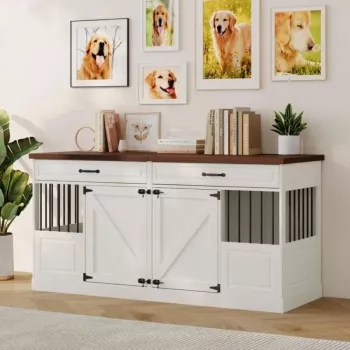
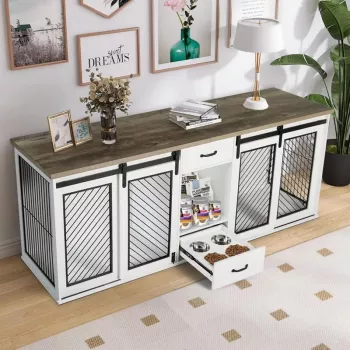
An anxious dog often relaxes faster when they have a consistent spot that signals safety—away from doorways, windows, and household traffic. A sturdy enclosed crate setup can work well because it reduces visual triggers and creates clear boundaries. If your dog tends to panic, scratch, or try to bolt, prioritize strength, ventilation, and a furniture-style enclosure that feels less exposed. For options and setup tips, see this guide to an enclosed heavy-duty dog crate: https://lirete.com/guide-enclosed-heavy-duty-dog-crate-furniture-xl-dogs/.
Use calming tools that match the trigger
Different anxieties respond to different supports. For noise fears, a well-fitted compression wrap can help some dogs feel steadier during storms or fireworks. For separation anxiety, interactive feeding (like a stuffed food puzzle) is often more effective than high-energy play right before you leave. For travel or vet visits, pheromone products may reduce edge for certain dogs.
Consider vet-guided supplements or medication
If anxiety is intense or frequent, consult a veterinarian. Some dogs benefit from short-term situational medication (for predictable events) or daily medication while behavior training is underway. Common calming supplements (like L-theanine, alpha-casozepine, or certain probiotics) can help mild cases, but “natural” doesn’t always mean safe—especially with other meds.
Pair support with training, not punishment
Lasting improvement usually comes from desensitization and counterconditioning—gradually teaching your dog that the scary thing predicts something good. Avoid scolding, forced “flooding,” or trapping a dog in a space they fear; that can intensify anxiety. If you’re unsure where to start, a credentialed trainer or veterinary behaviorist can tailor a plan.
FAQ
How can I calm my dog’s anxiety at night?
Keep nights predictable: a brief potty break, a low-stimulation wind-down routine, and a quiet safe space away from sudden noises. If nighttime anxiety is new or escalating, check with a veterinarian to rule out pain or medical causes.














Leave a comment