High Anxiety Dog Crates: When They Help (and Harm)
Are high anxiety crates good for dogs?
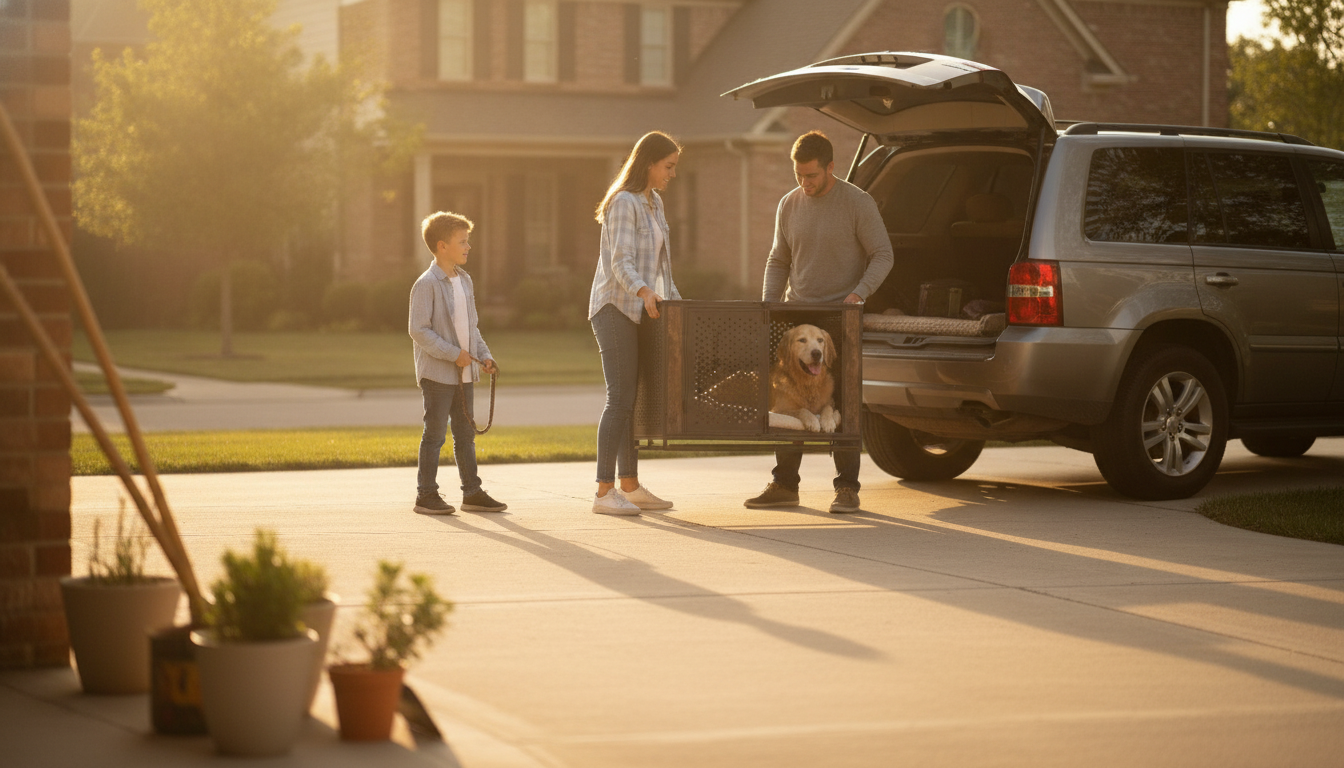
High anxiety crates can be good for some dogs when they’re used as a calm, secure “safe room,” not as a fix for anxiety by themselves. Many anxious dogs settle when they have a defined den-like space that blocks visual stimulation and prevents pacing, shadowing, or frantic door-dashing. For these dogs, a sturdy enclosed crate can lower arousal and make rest more predictable—especially during visitors, storms, or busy household moments.
They are not a universal solution, and they can backfire when the crate becomes a place the dog associates with panic or forced isolation. If a dog has severe separation anxiety, escape behavior, or self-injury risk, a “high anxiety” or heavy-duty crate may prevent damage but won’t address the underlying distress without training and behavior support.
When a high anxiety crate helps
A high anxiety crate is most useful when your dog can already tolerate brief confinement and shows signs of decompression inside (softer body, slower breathing, choosing to lie down). It can also help dogs who are triggered by windows, hallway traffic, or other pets, because the more enclosed design reduces constant scanning and startle responses.
When it can make things worse
If your dog bites bars, breaks teeth, rubs the nose raw, drools heavily, vocalizes nonstop, or escalates the moment the door closes, the crate is likely amplifying panic. In those cases, focus on a gradual crate-conditioning plan and consult a qualified trainer or veterinary professional; safety may require a different management setup while you work on the root cause.
How to use one safely
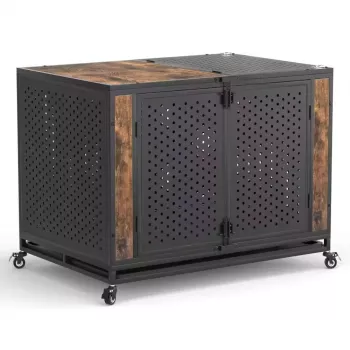
Start with short, positive sessions: open door, high-value treats, and calm exits. Keep the environment low-stimulation, avoid using the crate for punishment, and make sure the crate is comfortable, well-ventilated, and placed where your dog can relax. For dogs with escape history, a sturdier, more enclosed build can reduce reinforcement from successful breakouts; see this guide for options and features to look for: enclosed heavy-duty dog crate furniture guide.
FAQ
What is the best thing to give a dog with high anxiety?
The most effective help is a veterinarian-guided plan that may include prescription anti-anxiety medication, targeted behavior modification, and consistent routines. Calming chews or supplements can support some dogs, but they’re typically not enough alone for true high anxiety.












Leave a comment