Air Purifiers for Biggest Rooms: Coverage, CADR & HEPA
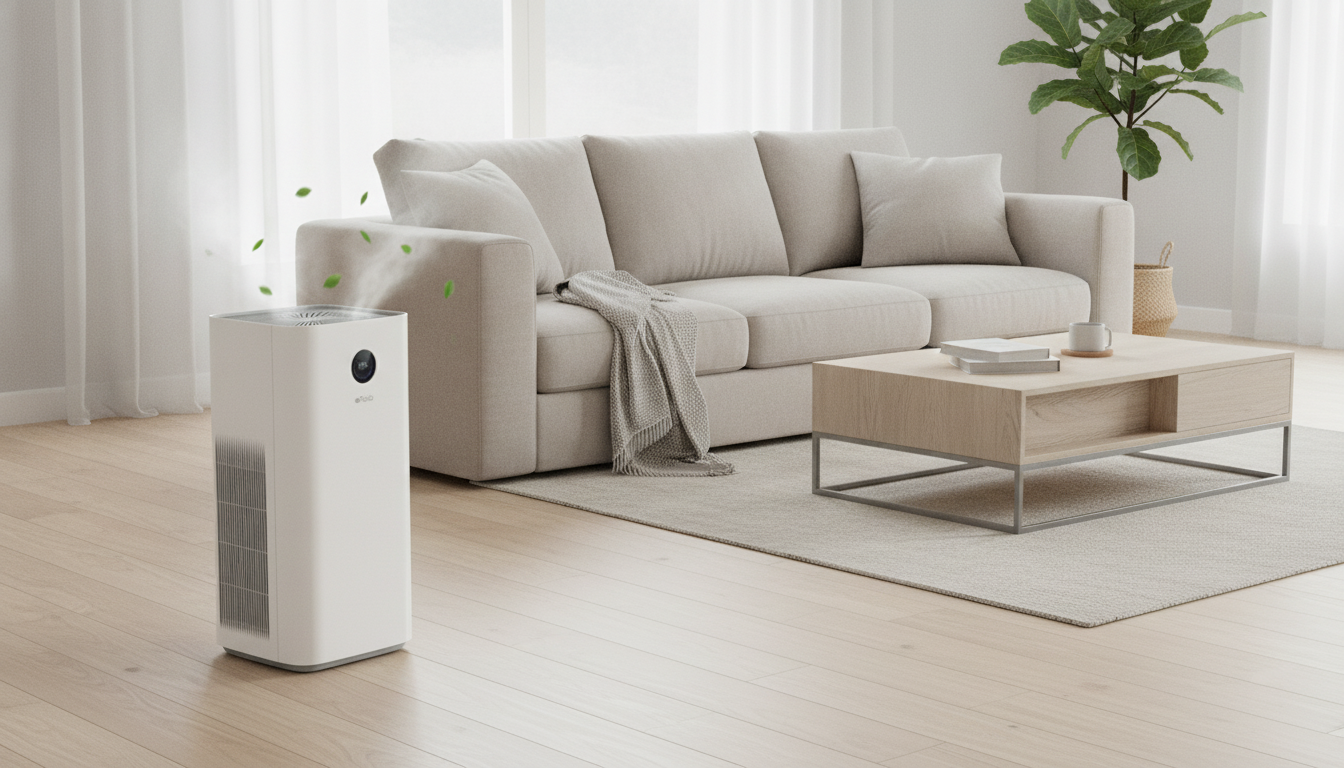
Which air purifier covers the most square footage?
The air purifiers that cover the most square footage are typically “whole-home” or large-room units designed for open-concept spaces. The biggest consumer models can claim coverage in the 2,000–4,000+ sq. ft. range, but the true “best” choice depends on how that coverage number was calculated and how clean you need the air to be across that space.
What makes one purifier “cover more” than another?
Square-foot coverage is mainly driven by airflow and filtration efficiency. Look for a high CADR (Clean Air Delivery Rate) for smoke, dust, and pollen, plus a sealed HEPA system so cleaned air doesn’t leak around the filter. A powerful fan and well-designed air path can move and clean more air per hour, which is what allows a unit to handle larger spaces.
Why advertised coverage can be misleading
Many brands calculate coverage using a low air-change rate (how many times per hour the purifier can filter the room’s air). A unit might “cover” a huge area at 1 air change per hour, but feel underpowered if you want noticeably cleaner air faster. For allergies, wildfire smoke, or heavy odors, a higher air-change rate generally matters more than the headline square-foot number.
How to pick the largest-coverage purifier that still performs well
Start with the size of the space you want to treat, then prioritize models that publish CADR and specify room size at a meaningful air-change rate. Also consider noise at higher fan speeds (because that’s when you’ll get maximum cleaning), filter cost/availability, and whether the unit can automatically adjust based on particle sensors.
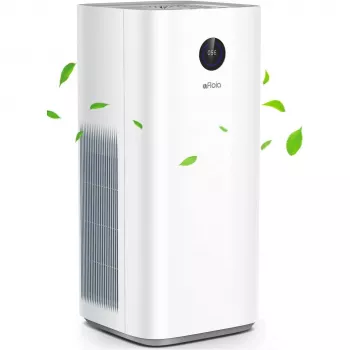
For a practical breakdown of what to look for in a high-coverage smart model—plus sizing tips—see this guide: smart air purifier buying tips for up to 3576 sq ft.
FAQ
Are air purifiers good for COPD patients?
They can help by reducing airborne irritants like dust, smoke particles, and pollen, which may worsen symptoms. Choose a true HEPA purifier, avoid ozone-generating devices, and follow a clinician’s guidance for managing COPD triggers.













Leave a comment