LED Meaning: Light-Emitting Diode Explained Simply
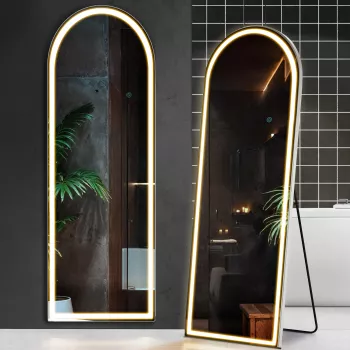
What LED in Full?
LED in full stands for Light-Emitting Diode. It’s a type of solid-state lighting that produces light when an electric current passes through a semiconductor, causing it to emit photons (light) efficiently.
What does “Light-Emitting Diode” mean in plain terms?
A diode is an electronic component that lets electricity flow mainly in one direction. When that diode is designed to emit light, it becomes a light-emitting diode. Unlike traditional bulbs that rely on heating a filament, an LED generates light with far less wasted energy, which is a big reason LEDs are known for efficiency and long life.
Why LEDs are common in modern mirrors
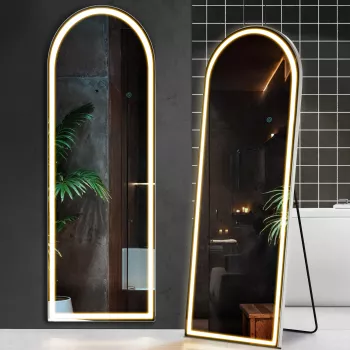
LEDs are a natural fit for products like full-length mirrors because they can be built into slim frames, provide even illumination, and run cooler than many older light sources. In LED full-length mirrors, lighting is often designed to reduce harsh hotspots and create a cleaner, more balanced glow for getting dressed, checking details, or applying makeup.
Many LED mirrors also support features like adjustable brightness (dimming) and selectable color temperatures (often warm, neutral, and cool). That flexibility helps match the lighting to the room’s ambiance or the task at hand—whether it’s soft lighting for a bedroom or a brighter, cooler tone for detail work.
How LED features show up in real products
When shopping, “LED” may be paired with terms like “dimmable,” “3 color,” or “touch control,” which describe how the lighting can be adjusted. For a practical example of how these features come together in a modern design, see this guide: https://lirete.com/guide-63×20-led-full-length-mirror-3-color-dimmable-aluminum-frame/.
For LED Meaning: Light-Emitting Diode Explained Simply, the best answer depends on fit, material, care instructions, and how the product will be used day to day.
FAQ
What does “3 color” mean on an LED mirror?
It usually means the mirror can switch between three color temperature modes—commonly warm, neutral, and cool—so the light tone can better suit the room or task.










Leave a comment