Choose Cylinder Pad Grit & Firmness: Polish vs Clean
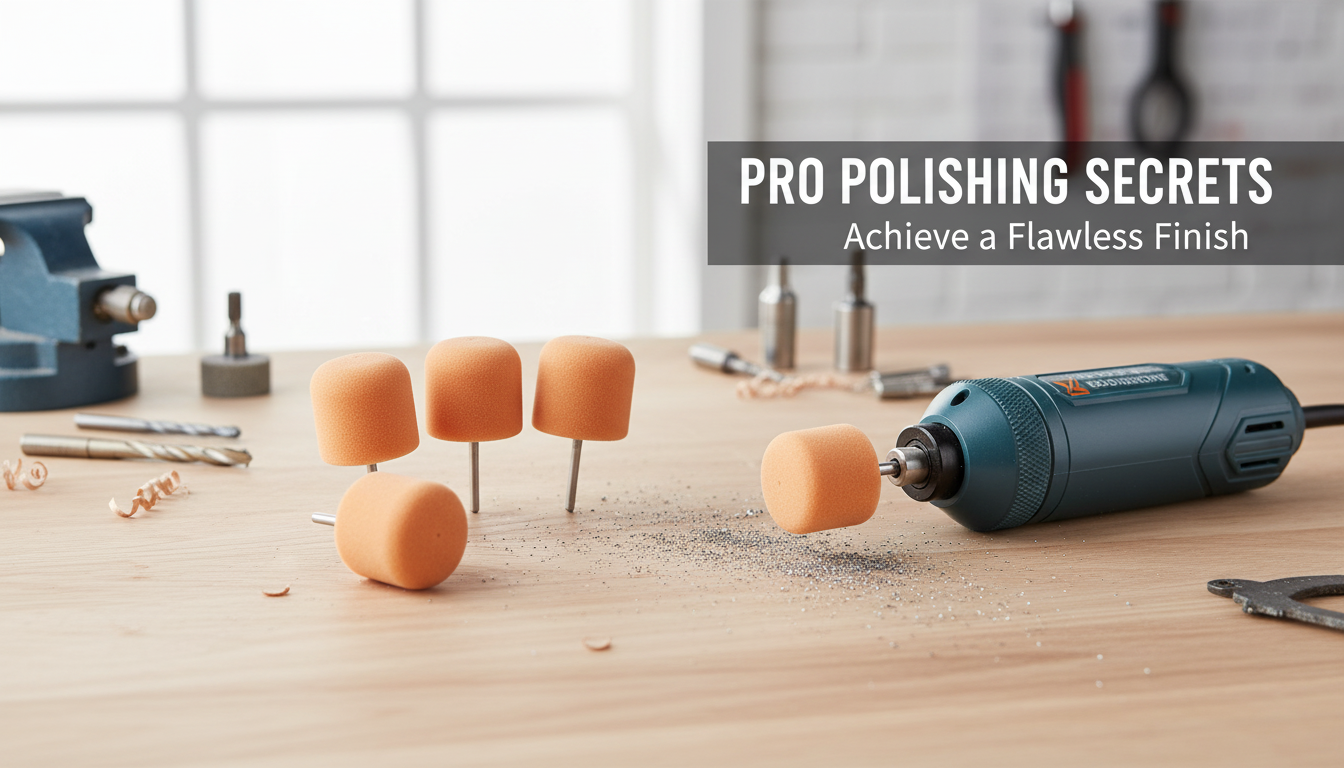
What grit or firmness should I choose for cylinder polishing pads for polishing vs. cleaning?
Choose pad grit and firmness based on whether you’re trying to remove defects and brighten the surface (polishing) or simply lift oxidation, residue, and light contamination (cleaning). In most cylinder work, firmer and more abrasive options cut faster, while softer and finer options refine and enhance gloss with less risk of leaving haze.
For polishing (cutting, defect removal, restoring shine)
If the cylinder has visible oxidation, light scratching, or a dull, uneven finish, start with a more aggressive setup: a firmer pad and a coarser grit. This combination maintains consistent pressure across the curved surface and helps level the finish efficiently.
General approach:
- Start coarser only as needed: Use a medium/coarse grit or firm cutting pad when you must remove noticeable oxidation or marks.
- Step down to refine: Follow with a finer grit or softer polishing pad to remove haze and bring up gloss.
- Test a small section first: If the surface cleans up with a fine/medium option, avoid going coarser than necessary.
For cleaning (decontamination, light oxidation, maintenance)
If the goal is maintenance cleaning—removing grime, light oxidation film, or residue without changing the surface profile—use a softer pad and a finer grit. Softer pads conform better and reduce the chance of cutting too aggressively, especially on coated or delicate finishes.
- Choose fine/very fine grits: They lift residue while minimizing visible abrasion.
- Use moderate pressure: Let the pad do the work; excessive pressure can create uneven contact on a cylinder.
Quick selection tips
When in doubt, start finer and softer. Move to a firmer pad or coarser grit only if the finish isn’t responding. For consistent results, keep the pad clean during use and replace it when it loads up, since a clogged pad can scratch and reduce performance.
For a more detailed breakdown of pad selection and practical examples, see the full guide here: https://lirete.com/what-grit-or-firmness-should-i-choose-for-cylinder-polishing-pads-for-polishing-vs-cleaning/.
FAQ
How do I know when to replace a cylinder polishing pad?
Replace the pad when it becomes permanently compressed, torn, or heavily loaded with residue that won’t rinse out. If you notice inconsistent cutting, new swirl marks, or reduced polishing ability, a fresh pad usually restores control and finish quality.















Leave a comment