PetSafe Automatic Litter Box: Change & Clean Schedule
How often should you change the litter box in a PetSafe automatic litter box?
With a PetSafe automatic litter box, you don’t “change the whole box” on a fixed daily schedule the way you would with a standard pan. Instead, you maintain three routines: emptying the waste receptacle, topping off or refreshing litter, and doing a full wash-down. The right timing depends on how many cats you have, the litter type, and how well odors are controlled in your home.
Empty the waste tray frequently (every 2–7 days)
For one average adult cat, plan to empty the waste compartment about every 4–7 days. If you have two cats, expect closer to every 2–4 days. Empty sooner if you notice odor, clumps sticking, or the unit signaling that the drawer is full (if your model supports alerts). Keeping the tray from overfilling helps the rake or sifting mechanism work smoothly and reduces ammonia smell.
Refresh litter regularly (top off weekly; fully replace every 2–4 weeks)
Even with automatic scooping, litter gets saturated over time. Top off the litter level at least once a week (or whenever it dips below the recommended fill line). Plan on a full litter change about every 2–4 weeks for one cat; with multiple cats, you may need a full change every 1–2 weeks. If urine odor returns quickly after cleaning or the litter feels damp and heavy, it’s time to replace it sooner.
Deep clean the box monthly (or as needed)
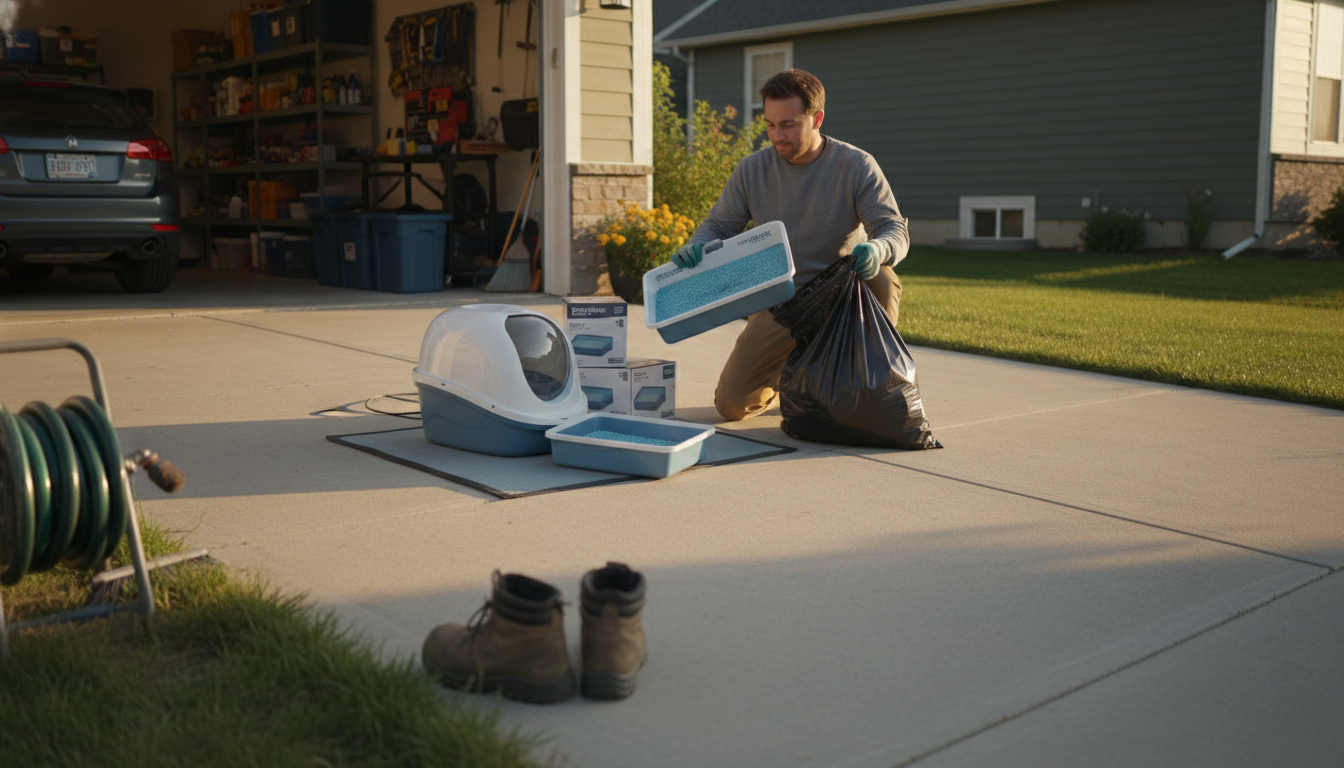
Do a full clean about once a month: unplug, empty all litter, wash the pan and rake/screen parts with mild soap, and dry completely before refilling. If your cat tracks residue, the unit smells even with a fresh tray, or clumps start sticking to surfaces, increase deep cleaning to every 2–3 weeks.
For a practical rundown on setup, deodorizing, and maintenance habits that keep an automatic box running reliably, see the full guide here: https://lirete.com/guide-app-control-self-cleaning-cat-litter-box-with-deodorizer/.
FAQ
What type of litter works best in an automatic self-cleaning litter box?
Hard-clumping litter is usually the most reliable because it forms firm clumps that the mechanism can separate cleanly. Avoid very dusty or non-clumping litters unless your specific model recommends them, since they can reduce cleaning performance.











Leave a comment