App-Control Self-Cleaning Cat Litter Box With Deodorizer
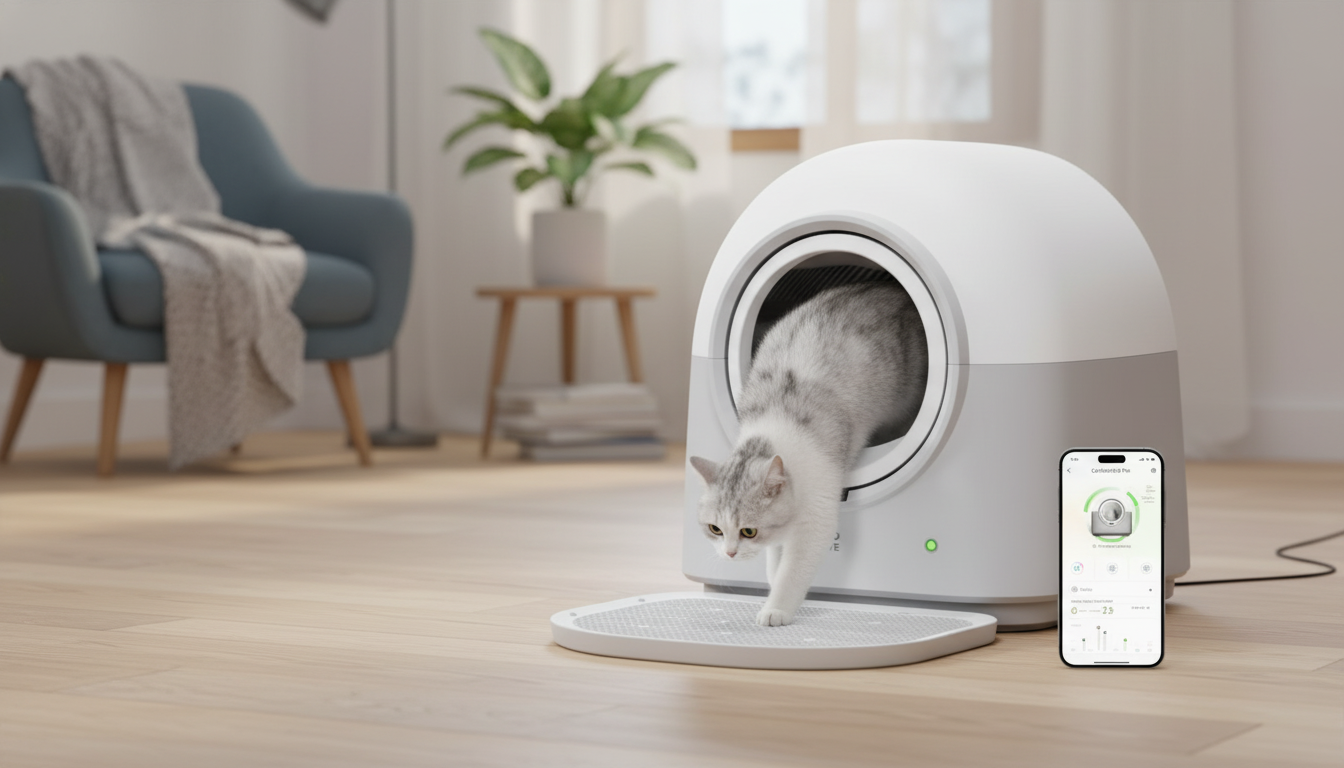
Automatic Self-Cleaning Smart Cat Litter Box with App Control and Deodorizer: Cleaner Routines, Fresher Rooms
A smart self-cleaning litter box can reduce daily scooping, keep odors more contained, and provide simple app-based tracking that helps spot routine changes early. This guide breaks down how an automatic unit with app control and a built-in deodorizer fits into real-life cat care, what to expect day to day, and how to keep it running smoothly.
What This Smart Litter Box Does (and What It Doesn’t)
An automatic litter box is designed to handle the repetitive part of litter maintenance: separating waste from clean litter soon after your cat uses it. That means less time with soiled litter sitting exposed, and fewer moments when the box “looks used” between manual cleanings.
- Automates waste separation after a cat uses the box, limiting contact with soiled litter between clean cycles.
- Uses app control to manage settings, view status, and track usage patterns depending on connected features.
- Built-in deodorizing support is designed to reduce lingering smells, but it can’t fully replace regular deep-cleaning and proper litter choice.
- Works best as part of a routine: consistent litter depth, timely waste-bin changes, and periodic wipe-downs.
If your cat starts avoiding the box or eliminates outside it, treat that as a behavior/health flag rather than a “settings problem.” Revisit basics like cleanliness, placement, and stressors; helpful references include Cornell’s overview of litter box problems and the ASPCA’s notes on common litter box behavior issues.
How the Self-Cleaning Cycle Typically Works
Most self-cleaning systems follow a predictable rhythm. The details vary by design (sifting, rotating drum, or raking), but the goal is the same: remove clumps/solids while keeping usable litter in the main area.
- Detection: sensors recognize a visit and wait a short delay before starting a cleaning cycle to avoid disturbing the cat.
- Separation: the mechanism sifts or rotates to isolate clumps/solids from clean litter.
- Containment: waste drops into a sealed or semi-sealed waste compartment to slow odor spread.
- Reset: clean litter returns to the main area, keeping the surface more consistent for the next use.
In daily life, the “delay” setting matters more than many people expect. A longer delay can reduce the chance of a nervous cat being startled, while a shorter delay can reduce how long odor has to travel into the room.
App Control: Practical Features That Matter Day to Day
App control sounds flashy, but the best features are simple: fewer surprise overflows, fewer interrupted cycles, and easier coordination in busy households.
Tracking is best treated as a “heads-up,” not a diagnosis. If you notice a sharp change in bathroom habits, consider calling your vet; the AVMA’s general guidance on caring for your cat is a good starting point for building a sensible monitoring routine.
Deodorizer and Odor Control: What Helps Most
Odor control checklist
| Factor | Why it matters | Simple habit |
|---|---|---|
| Waste bin timing | Odor rises as waste sits | Empty/replace liner before it’s packed tight |
| Litter type | Controls moisture and residue | Use a firm-clumping litter and maintain proper depth |
| Surface wipe-downs | Residue creates lingering smell | Wipe internal contact areas on a schedule |
| Placement | Airflow affects odor concentration | Choose a low-traffic spot with gentle ventilation |
Setup and First Week: Getting Cats Comfortable
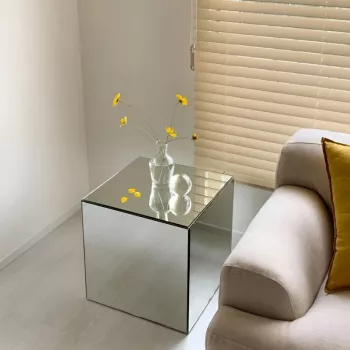
Tip for tighter spaces: setting the unit near a small, wipeable surface can make supplies easier to manage. A simple option is a nearby Minimalist Acrylic Side Table for bags, liners, and pet-safe wipes—kept out of paw reach but still convenient.
Maintenance Rhythm: A Realistic Schedule
Suggested maintenance schedule
| Task | Frequency | Notes |
|---|---|---|
| Check waste bin and liner | Every 1–3 days | More often for multi-cat homes |
| Top up litter | Weekly | Keep within the recommended fill range |
| Wipe sensors and key surfaces | Weekly | Helps prevent false stops and odor buildup |
| Deep clean removable parts | Monthly | Use pet-safe cleaners; fully dry before refilling |
Choosing Litter and Managing Tracking
Safety and Reliability Considerations
Product Snapshot: Automatic Self-Cleaning Smart Cat Litter Box with App Control and Deodorizer
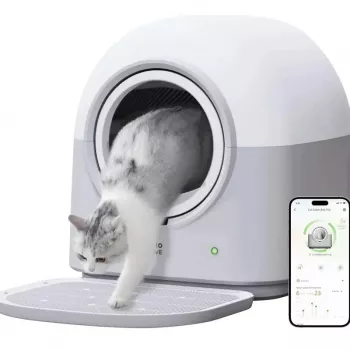
The Automatic Self-Cleaning Smart Cat Litter Box with App Control and Deodorizer is built for hands-off cleaning between deeper maintenance sessions, with settings managed from a companion app. Its deodorizing support targets everyday odor control, especially when paired with timely waste-bin changes and routine wipe-downs. It’s best suited for households that value consistency: stable placement, regular bin emptying, and compatible litter.
FAQ
What is the top rated self-cleaning litter box?
Ratings vary by cat size, litter preference, noise tolerance, odor control needs, and how easy a unit is to clean. Instead of chasing a single “best,” compare safety sensors, seal quality, maintenance effort, app reliability, and verified owner reviews that match your household (single-cat vs. multi-cat, apartment vs. larger home).
How often should you change the litter box in a PetSafe automatic litter box?
It depends on how many cats you have and what litter you use, but there’s usually a difference between emptying the waste receptacle (often every few days) and fully replacing litter/deep-cleaning (often every few weeks to monthly). Check your specific model’s manual for the most accurate schedule and adjust based on odor and clump quality.
Do deodorizers bother some cats?
Yes—some cats are sensitive to strong scents and may avoid a box that smells heavily perfumed. If you notice hesitation or avoidance, switch to unscented litter and use gentler deodorizing settings (if available) while your cat acclimates.













Leave a comment