Sharpen a Stainless Steel Vegetable Peeler at Home
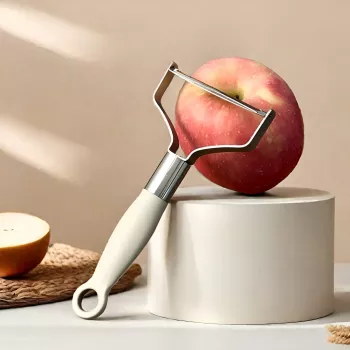
How do I sharpen a stainless steel vegetable peeler blade at home?
If your stainless steel vegetable peeler starts tearing skins instead of gliding, it usually needs a light touch-up—not aggressive grinding. Most peelers have a thin, hardened edge, so gentle methods work best and help you avoid bending the blade.
Quick safety check before sharpening
Wash and dry the peeler first, then inspect the edge for chips or a bent section. If the blade is visibly cracked, badly nicked, or loose in the frame, replacement is typically safer than sharpening.
Method 1: Hone the edge with a ceramic mug (easy, no tools)
Flip a ceramic mug upside down and use the unglazed ring on the bottom as a fine honing surface.
Hold the peeler steady and lightly draw the cutting edge across the unglazed ceramic at the same angle as the existing bevel. Make 6–10 light passes per side (or per cutting surface), keeping pressure minimal. Wipe the blade clean and test on a potato; repeat a few more strokes if needed.
Method 2: Use a fine nail file or sharpening stone (more control)
Choose a fine grit (around 1000–3000). Stabilize the peeler on a towel, then make short, controlled strokes that follow the original edge angle. Focus on consistent contact rather than force. A few passes are usually enough—overdoing it can create a wire edge or change the blade geometry.
Method 3: Strop on cardboard or leather (finish and smooth)
After honing, drag the edge lightly along plain cardboard or a leather strop (edge trailing, not cutting into the surface) 5–8 times. This helps remove any tiny burr and improves smooth peeling.
Clean and test
Rinse away any metal residue, dry thoroughly, and test on a firm vegetable. If it still snags, the blade may be worn past its useful life or the swivel mechanism may be misaligned.
For more detailed guidance and peeler-specific tips, visit https://lirete.com/how-do-i-sharpen-a-stainless-steel-vegetable-peeler-blade-at-home/.
FAQ
When should I replace a vegetable peeler instead of sharpening it?
Replace it if the blade is chipped, cracked, bent, or wobbly in the frame, or if sharpening no longer improves performance. Peelers are inexpensive, and a compromised blade can slip and cause cuts.
















Leave a comment