Heat + Airbag Waist Massager: Daily Low-Back Comfort
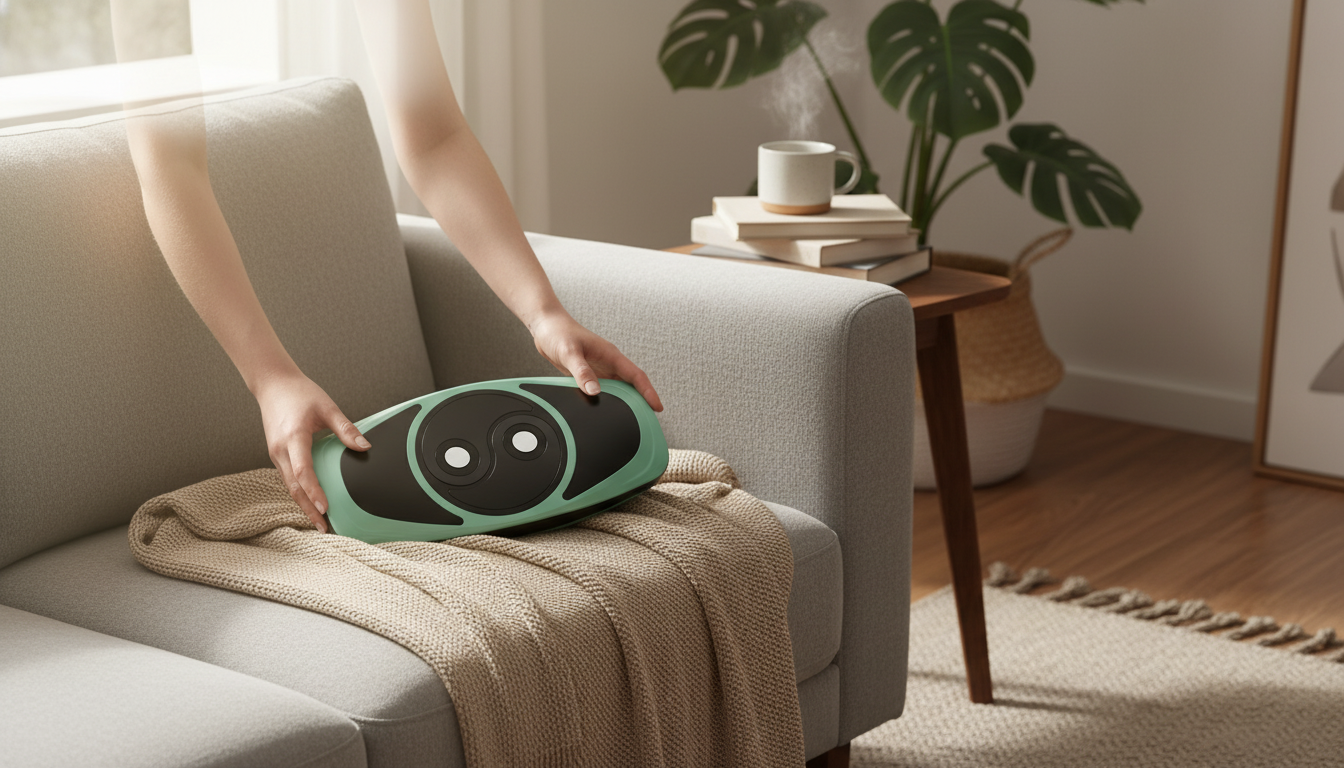
Electric Waist Massager with Hot Compress and Airbag Therapy: Everyday Comfort for the Lower Back Area
A waist massager that combines heat and rhythmic airbag compression can make it easier to keep a steady, comfortable recovery routine after long hours sitting, standing, or lifting. The goal isn’t to “fix” a medical condition in one session—it’s to support relaxation, ease the sensation of stiffness, and help the waist/lower back area feel more comfortable during daily downtime. Below is a practical guide to what hot compress and airbag therapy do, how to use the device effectively, and what to watch for to keep sessions safe and consistent.
What Hot Compress + Airbag Therapy Does
Soothing warmth for stiffness and tension
Hot compress functionality delivers gentle warmth across the waist/lower back area. Many people find that warmth helps the area feel looser and more relaxed, especially before bedtime or after being in one position too long. Heat can be a simple way to settle into a session and reduce that “tight” feeling that builds up during long days.
Rhythmic airbag pressure for a supported feel
Airbag therapy uses soft, pulsing compression that wraps around the waist—often described as a hug-like squeeze and release. When muscles feel tight, this kind of pressure can feel grounding and supportive, particularly when paired with a comfortable seated or reclined posture.
When the combo is most noticeable
The combined sensation tends to stand out after long sitting (desk work or driving), after light workouts (like walking), or during evening wind-down routines. For general back self-care, reputable guidance often emphasizes simple, consistent habits and safe comfort strategies; see Mayo Clinic’s back pain self-care overview for broad, non-device-specific tips.
Comfort and relaxation effects are typically temporary. If pain is persistent, worsening, or accompanied by concerning symptoms, a clinician should evaluate it. For additional context on everyday back pain and when to seek help, consult the NHS back pain guidance.
Key Features to Look For in Daily Use
- Heat settings: Multiple warmth levels help match comfort across seasons and personal sensitivity.
- Compression intensity: More than one airbag level allows gentle sessions on sore days and firmer sessions when you want a stronger squeeze.
- Fit and coverage: A secure wrap that sits evenly across the lumbar/waist area reduces pressure points and keeps the heat panel aligned.
- Controls and modes: Clear buttons and a simple mode layout make it easier to repeat a routine without guesswork.
- Comfort details: Soft lining, smooth edges, and breathable materials matter when wearing it for 15–30 minutes.
- Power and portability: Think about where you’ll use it most—couch/bed at home, at the office, or while traveling.
Mode Guide: Matching Settings to Common Scenarios
Small adjustments can make sessions feel better and more repeatable. Rather than jumping to maximum settings, aim for “comfortably noticeable.” If you’re also using a heating pad or other heat source, follow established heat safety basics such as time limits and skin checks; see Cleveland Clinic’s heating pad benefits and safety notes.
| Situation | Heat | Compression | Session length |
|---|---|---|---|
| After long sitting | Low–Medium | Low | 10–15 min |
| After light activity | Medium | Low–Medium | 15–20 min |
| Before bed wind-down | Low–Medium | Low–Medium (slow) | 15–30 min |
| Sensitive/tender day | Low or Off | Low or Off | 5–10 min |
How to Use It for Comfortable, Repeatable Sessions
- Positioning: Center the heated area over the lower back/waist and fasten snugly—secure, but not restricting breathing.
- Start low: Use the lowest compression and gentle heat for the first few sessions to learn your tolerance.
- Timing: Keep early sessions short (10–15 minutes), then increase gradually if it stays comfortable.
- Posture: Sit with back support or recline slightly. Avoid twisting or slouching in ways that create pressure points.
- Routine idea: Try 3–5 sessions per week during high-stress or sedentary periods, then adjust based on how your body responds.
Safety Notes and Who Should Check First
- Heat safety: Avoid high heat on numb areas. Check skin periodically and stop if redness, burning, or irritation appears.
- Compression safety: Don’t overtighten. Stop if there is tingling, increased pain, shortness of breath, or discomfort around the ribs/abdomen.
- Medical considerations: Check with a clinician before use if pregnant, recovering from recent surgery/injury, dealing with unexplained severe pain, or managing circulatory/neurologic conditions.
- Smart use: Avoid using while sleeping to prevent prolonged pressure or heat exposure.
Care, Cleaning, and Storage
Product Options (In Stock)
- Electric Waist Massager with Hot Compress and Airbag Therapy — designed to combine warmth and pulsing compression around the waist for everyday comfort routines; a strong fit for desk stiffness and end-of-day decompression.
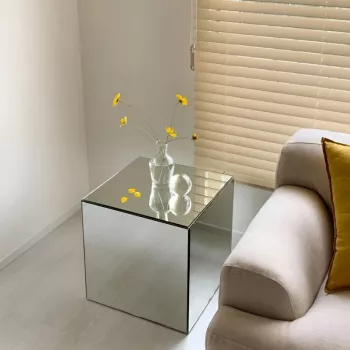
- Minimalist Acrylic Side Table — a convenient spot to keep your remote, water, and timer nearby so relaxation sessions don’t get interrupted.
- Modern Gold Stainless Steel Coffee Table — a stylish living-room anchor that helps create a consistent “wind-down zone” for stretching and seated recovery routines.
FAQ
How long should a session last?
Many people start with 10–20 minutes and work up to about 30 minutes if it stays comfortable and the device instructions allow. Stop earlier if the skin feels too hot or the compression feels uncomfortable.
Can it be used every day?
Often yes for general relaxation if sessions are moderate and skin tolerance is good, though alternate days can be better at first. Avoid using it while sleeping.
Is heat or airbag compression better for tightness?
Heat can help ease the sensation of stiffness, while compression can feel supportive and relaxing. Many people prefer using both gently rather than maxing either setting.













Leave a comment