Carbon vs Aluminum MTB Pedals: Durability on Rough Trails
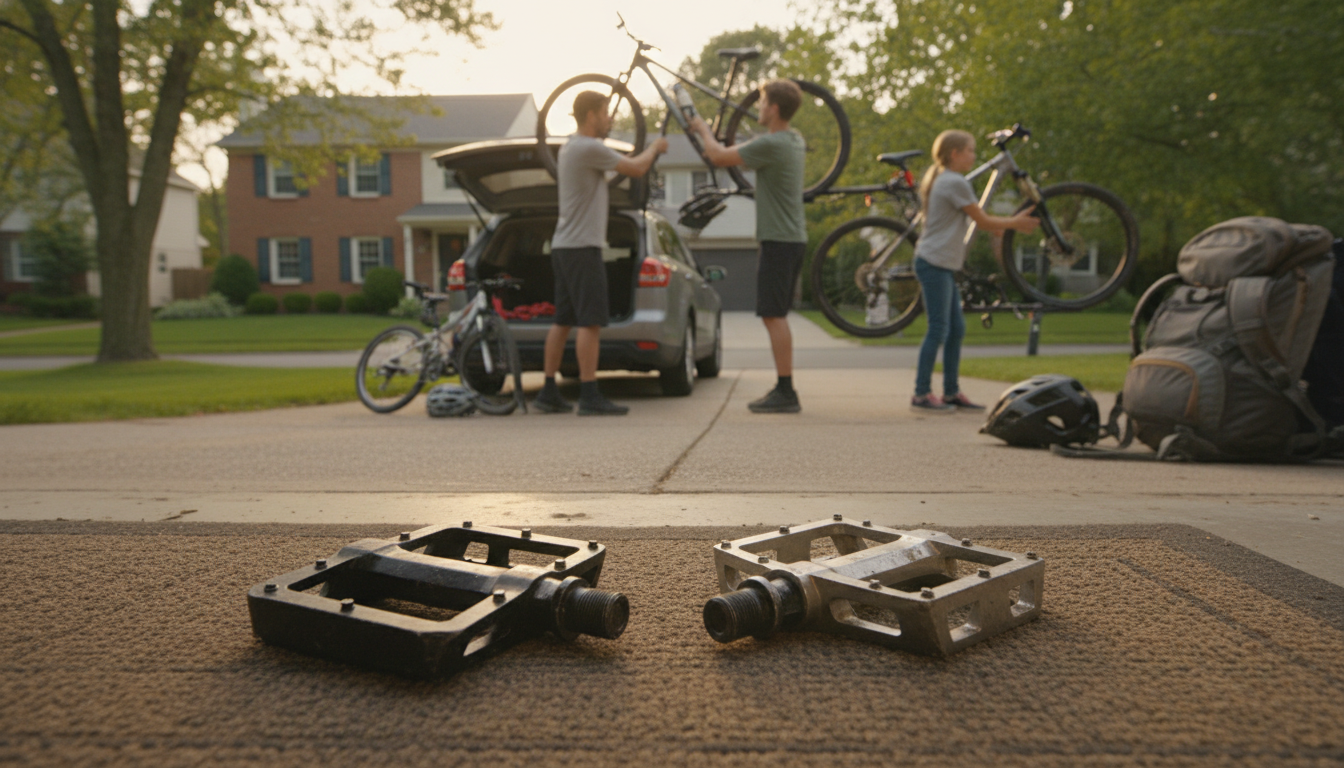
Are carbon fiber bike pedals durable enough for MTB trail riding compared with aluminum pedals?
Yes—quality carbon fiber platform pedals can be durable enough for MTB trail riding, but their durability depends heavily on the specific carbon layup, reinforcement around the axle, bearing quality, and how often the pedals take direct rock strikes. Aluminum pedals tend to be more forgiving in repeated impacts because metal can dent and gouge without catastrophic cracking, while carbon components are designed to be stiff and strong but can be less tolerant of sharp, concentrated hits.
Carbon fiber vs. aluminum pedals on real trails
Impact resistance and rock strikes
On rocky trails, pedal durability isn’t just about overall strength—it’s about how the body handles edge impacts. Aluminum pedals usually show cosmetic damage first (scrapes, dents, bent pins) and keep going. Carbon fiber bodies can hold up very well to normal trail use and occasional strikes, but repeated hard hits on the same edge can eventually cause chips or cracks, especially on thin sections.
Axle and bearing durability matters more than body material
Many pedal “failures” come from the spindle or bearings, not the platform body. A robust axle, sealed bearings, and proper bushing support often make a bigger difference than whether the body is carbon or aluminum. If the internals are well-built and serviceable, a carbon pedal can be a dependable trail option.
Grip and ride feel
Both materials can deliver excellent traction when paired with a wide platform and aggressive pins. Carbon fiber can offer a very stiff platform with a lighter feel, while aluminum typically provides a more “battle-ready” body for riders who clip pedals frequently on rocks.
When carbon fiber pedals make sense for MTB
Carbon fiber pedals are a strong choice for riders prioritizing weight savings and stiffness on flow trails, mixed singletrack, and general trail riding—especially when pedal strikes are occasional rather than constant. If the local terrain is jagged and strike-heavy, aluminum pedals remain the safer bet for long-term abuse tolerance.
For a deeper look at carbon platform pedal construction, features, and what to check before buying, see this guide: https://lirete.com/guide-t700-carbon-fiber-platform-pedals-3-bearing-anti-slip/.
FAQ
How do I know if a pedal’s bearings are serviceable and trail-ready?
Look for sealed bearings (and a bushing where appropriate), a design that allows disassembly, and access to replacement parts like bearing cartridges and end caps. Smooth rotation with minimal side-to-side play is a good sign, but serviceability is what keeps them running after wet rides and grit.
















Leave a comment