Dog Bath Brush Hair Remover: Faster Baths, Less Shedding
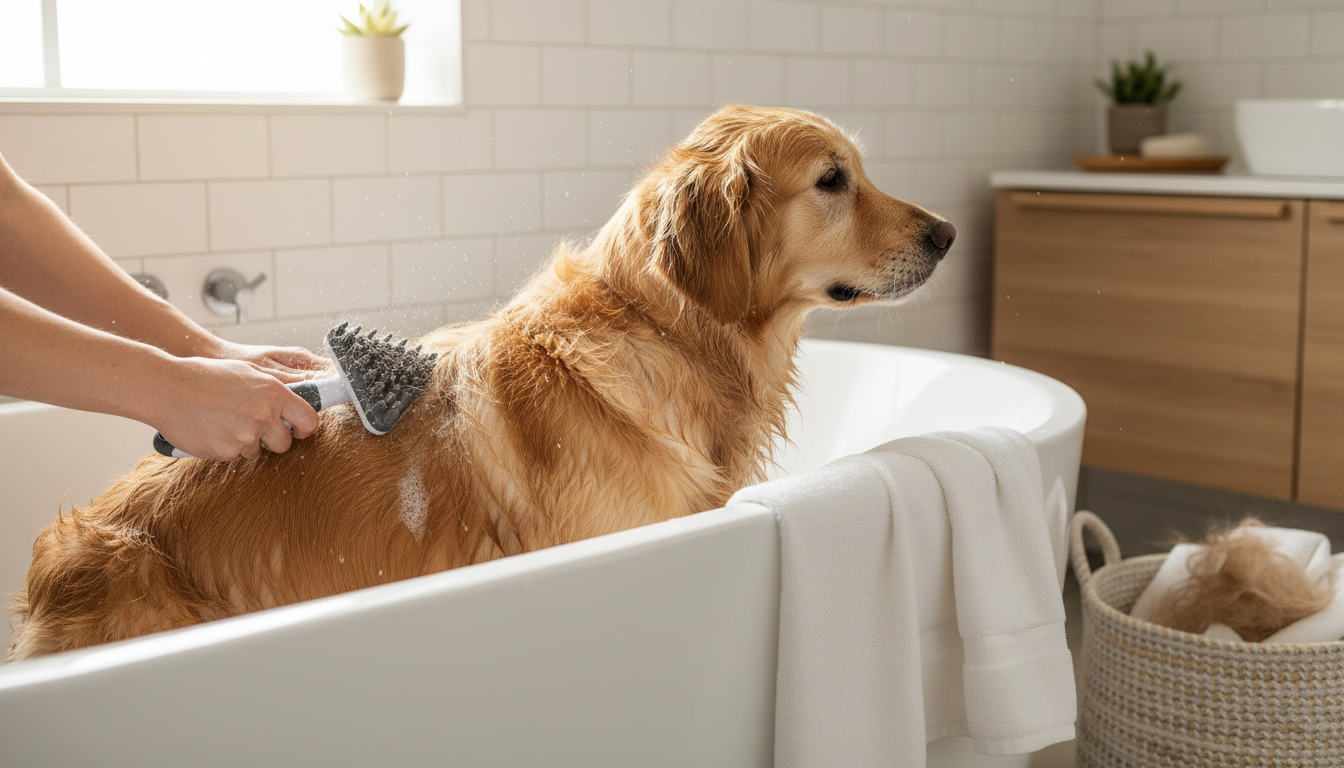
Dog Bath Brush & Pet Hair Remover: A Cleaner Bath, Less Shedding, and Easier Rinsing
A bath brush that also lifts loose fur can make wash day faster, reduce shedding around the home, and help shampoo reach the skin without harsh scrubbing. With the right technique, a simple brush can improve lathering, make rinsing more thorough, and leave the coat feeling lighter—especially during seasonal shed. For general bathing frequency guidance, see the American Kennel Club’s bathing recommendations and the ASPCA’s dog grooming overview. For more guidance, see At-Home Pet Grooming: Top Tips and Recommendations – ASPCA.
Why a bath brush makes wash day easier
- More even shampoo distribution: A bath brush helps move shampoo through the coat so it doesn’t just sit on top of the fur.
- Loosens dead hair when it’s easiest to remove: During a bath, the coat is saturated and loose hair often releases more readily—making cleanup simpler.
- Gentler cleaning than “scrubbing” by hand: The right brush can provide a light massage that lifts dirt and dander without relying on fingernails.
- Supports thorough rinsing: By separating fur layers, a bath brush helps water reach the skin and reduces leftover soap that can cause itchiness.
What to look for in a dog bath brush and hair remover
- Grip and control: An ergonomic, non-slip hold helps keep the brush stable with wet hands and a wiggly dog.
- Bristle/teeth flexibility: Tips should be soft enough for comfort while still effective at loosening fur and spreading shampoo.
- One-hand operation: A compact design can be easier when the other hand is managing the sprayer, leash, or treats.
- Easy cleaning: Hair should release quickly from the brush so it can be rinsed clean between passes.
- Skin safety: Rounded tips and gentle pressure reduce the chance of scratching—especially for sensitive skin.
Product overview: Dog Bath Brush & Pet Hair Remover
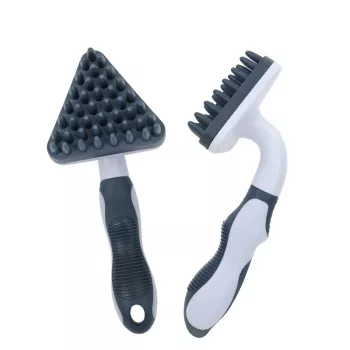
The Dog Bath Brush & Pet Hair Remover is built to assist with bathing and fur removal in one step, helping reduce loose hair buildup during and after the bath. It fits well into a regular at-home routine that combines washing, light exfoliation, and coat maintenance without needing multiple specialized tools. For best results, pair it with a dog-safe shampoo and a consistent rinse-and-dry routine so loosened hair doesn’t re-settle into the coat. For further reading, see Best Pet Hair Remover Tools – Consumer Reports.
| Item | Details |
|---|---|
| Product | Dog Bath Brush & Pet Hair Remover |
| Price | $10.51 USD |
| Availability | In stock |
| Best for | At-home baths, loosening shed fur, shampoo distribution |
| Product page | View product |
How to use a bath brush during a dog bath (step-by-step)
1) Prep first (dry brush before water)
Brush the coat dry to remove tangles and mats. Bathing a matted coat can tighten knots and trap moisture close to the skin, which is uncomfortable and harder to rinse clean.
2) Wet thoroughly down to the skin
Use lukewarm water and take your time—especially on thick or double coats. If the undercoat isn’t saturated, shampoo may not spread evenly and rinsing will take longer.
3) Apply dog-safe shampoo, then spread by hand
Add shampoo and distribute it loosely with your hands first. This prevents dumping concentrated product in one spot and reduces the need to overwork the brush.
4) Brush in sections with light pressure
Start at the shoulders and work toward the back and hindquarters using short strokes. The goal is to move lather through the coat and lift loose hair—not to “scrub” the dog clean.
5) Go extra gentle on sensitive areas
Use a softer touch on the belly, armpits, groin, face, and near joints. Avoid the eyes and the inside of the ears.
6) Rinse longer than you think you need
Leftover shampoo is a common cause of post-bath itching. While rinsing, lightly brush to help water reach the skin and flush soap out of denser sections of coat.
7) Post-bath coat check
Towel dry, then do a quick pass with the brush only if your dog is comfortable with it. Follow with your usual drying routine so loosened hair doesn’t cling back into the coat.
Coat-type tips: getting better results with less irritation
- Short coats: Use gentle, circular motions to lift loose hair; avoid over-brushing the same spot to prevent skin irritation.
- Double coats: Prioritize rinsing. Light brushing while rinsing helps water move through the undercoat where soap likes to linger.
- Curly or wiry coats: Keep strokes controlled to reduce tangling; a quick detangle before and after the bath can help the coat dry neatly.
- Heavy shedders: Pair bath brushing with consistent drying. Loose hair often releases again as the coat dries, so towel-and-brush in short sessions works well.
- Dogs with sensitive skin: Use minimal pressure, choose a mild dog shampoo, and stop if redness or discomfort appears.
Common mistakes to avoid
Care and maintenance for the brush
When a bath brush is not enough
Optional add-on: make bath day more organized
If supplies always end up on the floor, a simple nearby surface can help keep shampoo, towels, and treats within reach during bathing and drying. The Minimalist Acrylic Side Table can work as a wipe-clean staging spot outside the splash zone.
FAQ
What is the best dog bath brush?
The best option depends on coat type, skin sensitivity, and how securely you can hold it with wet hands. Look for a comfortable grip, gentle rounded tips, easy cleaning, and a design that distributes shampoo without scratching.
Should you brush your dog during a bath?
Yes—gentle brushing during a bath can help work shampoo through the coat and loosen shed hair. Use light pressure, avoid irritated areas, and focus on rinsing thoroughly afterward.














Leave a comment