Flexible Shaft Cylinder Pads: What Materials They Polish
What materials can a flexible shaft cylinder polishing pad set be used on (metal, plastic, wood, acrylic)?
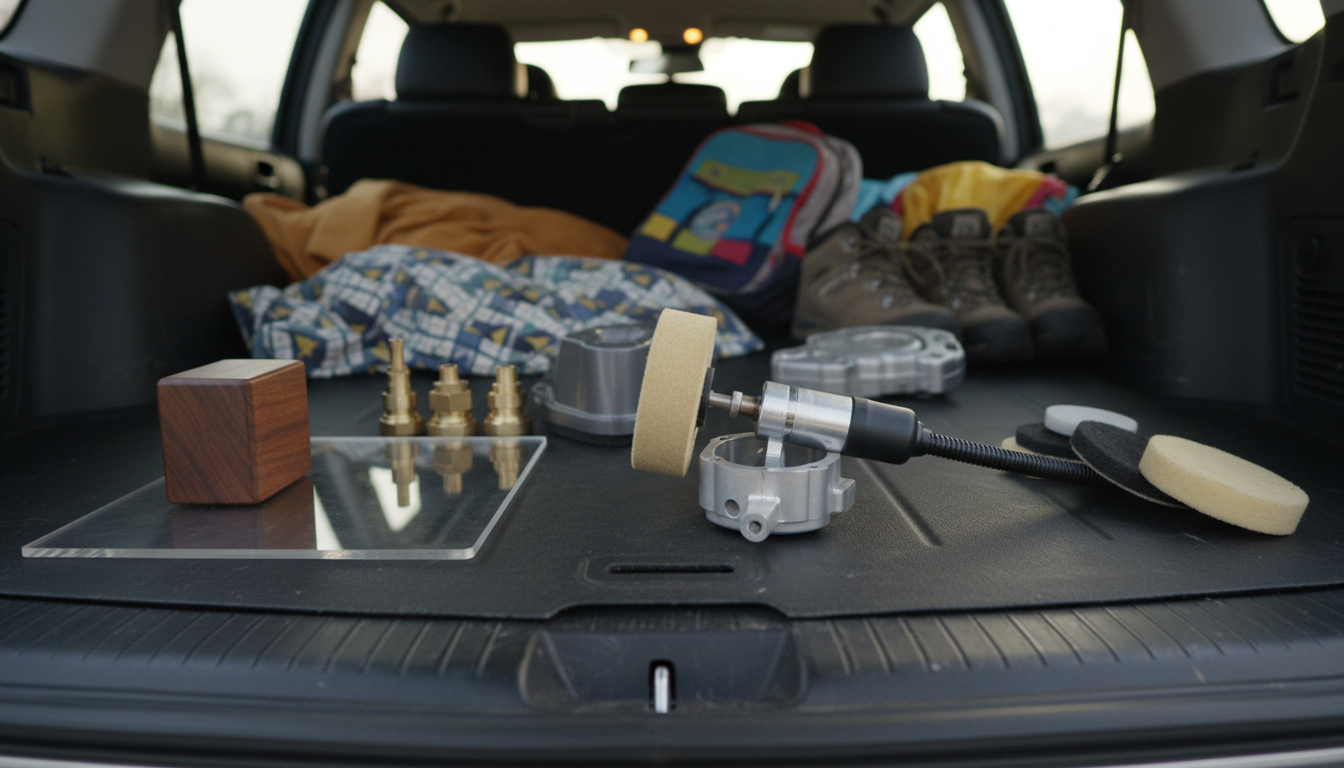
A flexible shaft cylinder polishing pad set can be used on metal, many plastics, wood, and acrylic—as long as the pad type, compound, and speed are matched to the surface. These small cylinder-shaped pads are especially useful for tight curves, inside edges, and contoured areas where flat buffs can’t reach.
For a deeper breakdown of pad choices, speeds, and technique, see the main guide here: https://lirete.com/what-materials-can-a-flexible-shaft-cylinder-polishing-pad-set-be-used-on-metal-plastic-wood-acrylic/.
Metal
On metal, cylinder polishing pads can remove light oxidation, smooth minor scratches, and bring up shine on surfaces like stainless steel, aluminum, brass, and similar alloys. Use a firmer pad for cutting and a softer pad for finishing, and keep speeds moderate to avoid heat marks—especially on softer metals like aluminum. Pairing the pad with the right polishing compound makes a bigger difference than brute force pressure.
Plastic
Many plastics can be polished, but heat is the main risk. Softer or thinner plastics may smear or haze if the tool speed is too high or if the pad stays in one spot too long. Use a soft pad, light pressure, and short passes, and test on a hidden area first. If the plastic has a textured finish, polishing may only improve shine on the high spots rather than “erase” the texture.
Wood
On wood, cylinder pads are typically used for smoothing finishes (like lacquer or polyurethane) or for buffing wax/oil topcoats—rather than polishing raw wood grain aggressively. A softer pad helps avoid cutting through the finish on edges. Always work with gentle pressure and keep the pad moving, especially on corners and carved details.
Acrylic
Acrylic can be brought from dull to clear with the right approach, but it scratches easily and shows swirl marks. Use a clean, soft pad and a plastic-safe polish, and run at lower speeds to prevent heat buildup. If acrylic is deeply scratched, it may need a sanding progression first before polishing for clarity.
FAQ
What speed should I use with polishing pads on a flexible shaft tool?
Use low to medium speed for plastics and acrylic to control heat, and medium speed for most metals and finished wood. If the surface warms quickly or starts to smear, slow down and reduce pressure.














Leave a comment