Do Gel Seat Cushions Stay Cool in Hot Cars?
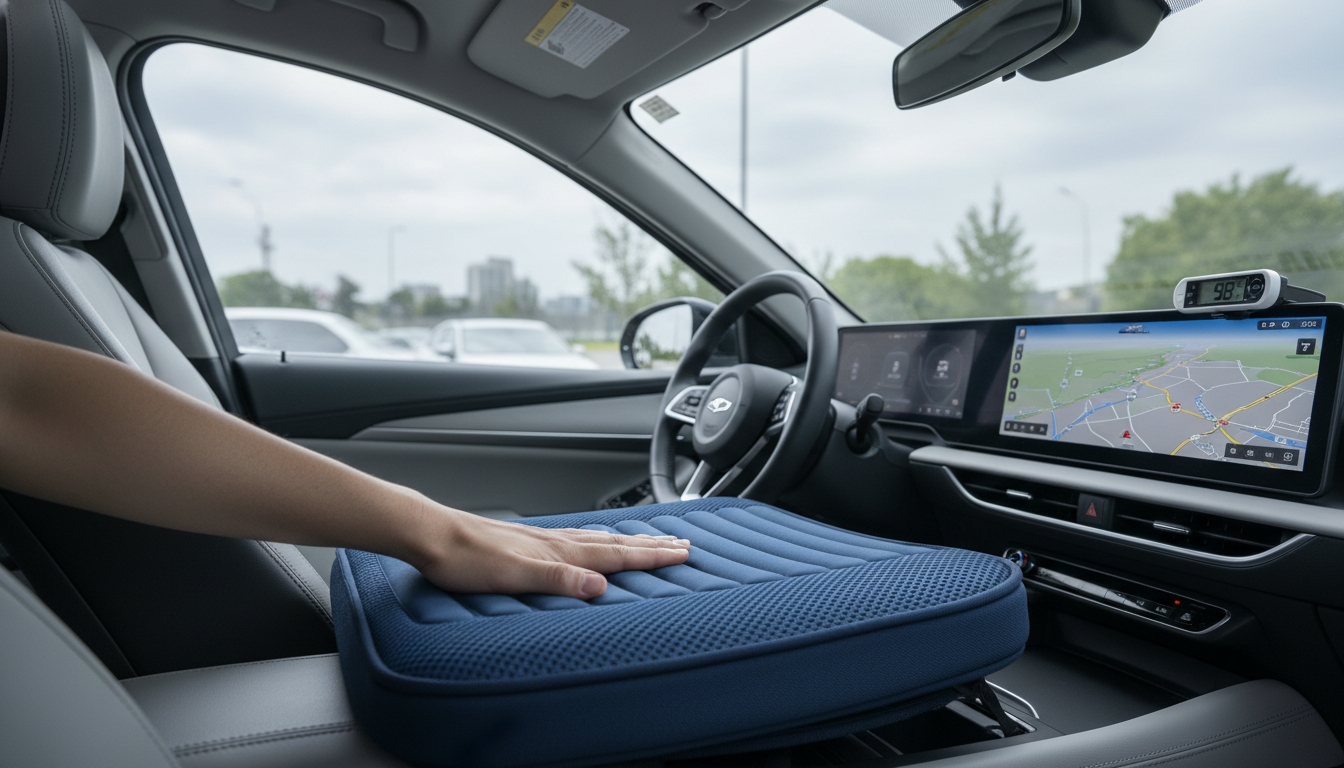
Do gel seat cushions actually stay cool in hot cars?
Gel seat cushions can feel cool at first touch, but they don’t “stay” cool for long in a hot car. Gel works by absorbing and spreading heat away from pressure points, so you get a brief cooling sensation when you sit down. Once the gel warms up to your body temperature—and the already-heated cabin—there’s no ongoing source of cooling to keep that effect going.
In a parked car that’s been baking in the sun, the cushion itself is usually hot before you even get in. Gel doesn’t magically lower the temperature; it simply conducts heat efficiently. That means it may dump heat into your body quickly at first if the cushion has heated up, and only later feel more neutral as temperatures equalize.
What gel cushions are good at
Even when they aren’t “cool,” gel cushions can still improve comfort. They tend to distribute weight more evenly than plain foam, reduce pressure on the tailbone, and improve airflow when paired with a ventilated cover or a honeycomb/open-cell design. For stop-and-go driving or long commutes, that pressure relief can matter as much as temperature.
How to get the best cooling performance
If staying cooler is the goal, pre-cooling and heat management matter more than the material. Park in shade, use a windshield sunshade, crack windows safely when possible, and run the A/C for a few minutes before sitting. If you can bring the cushion indoors (or at least keep it out of direct sun), the initial cool-to-the-touch benefit lasts longer. Light-colored covers also heat up less than dark fabrics.
For deeper details on gel behavior, hot-car conditions, and what to look for when buying, see the full guide here: https://lirete.com/do-gel-seat-cushions-actually-stay-cool-in-hot-cars/.
FAQ
What’s the difference between gel and ventilated mesh seat cushions for summer?
Gel usually feels cool initially but warms up as it absorbs heat, while ventilated mesh relies on airflow to reduce sweat and heat buildup. In very hot weather, mesh often feels less “cold” at first touch but can stay more comfortable over time if it allows air to move.















Leave a comment