Air Purifiers for COPD: Benefits, HEPA Tips & Safety

Are air purifiers good for COPD patients?
Air purifiers can be helpful for many people with COPD because they reduce airborne particles that commonly irritate the lungs, such as dust, pollen, pet dander, smoke residue, and some mold fragments. Cleaner indoor air may mean fewer symptom flare-ups triggered by everyday exposures, especially during allergy seasons, wildfire smoke events, or in homes with pets and carpeting.
How an air purifier may help with COPD
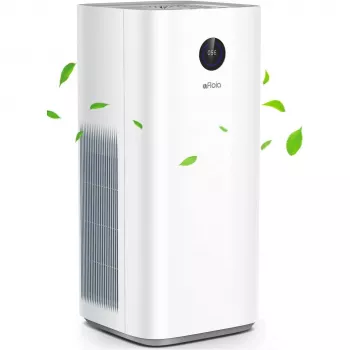
COPD symptoms often worsen when the air contains fine particles that reach deep into the lungs. A quality purifier with a true HEPA filter can capture a large share of these particles, which may make breathing feel less “tight” for some users. While an air purifier isn’t a treatment for COPD, it can support a healthier home environment alongside prescribed medications and an overall trigger-reduction plan.
What to look for in an air purifier
Prioritize a purifier that matches the room size and is designed to handle fine particulate matter. True HEPA filtration is typically the most important feature for particle removal. If odors or chemical fumes are a concern (for example, cooking smells, paint, or cleaning products), an activated carbon filter can help reduce odors and some VOCs.
Many COPD patients benefit from running the purifier continuously on a lower, quieter setting—especially in the bedroom. A unit that’s too loud often gets turned off, which defeats the purpose.
Limitations and safety notes
Air purifiers don’t remove everything. They won’t fix high humidity, hidden mold growth, or strong gas leaks, and they can’t replace ventilation and source control. Avoid ozone-generating “air cleaners” (sometimes marketed as ionizers or ozone purifiers), since ozone can irritate the lungs and may worsen respiratory conditions.
How to set it up for best results
Place the purifier where symptoms matter most (often the bedroom) and keep doors/windows usage consistent so the unit can cycle the air effectively. Replace filters on schedule; a clogged filter reduces performance. For more guidance on picking the right size and features, see the full buying guide here: smart air purifier buying tips.
FAQ
Should COPD patients avoid ionizers or ozone air purifiers?
Yes. Ozone and some byproducts from ionization can irritate airways and may aggravate COPD symptoms. Choose a true HEPA purifier without intentional ozone generation.













Leave a comment