Neck Massage for Arthritis: Relief, Limits, and Safety
Will a neck massage help arthritis?
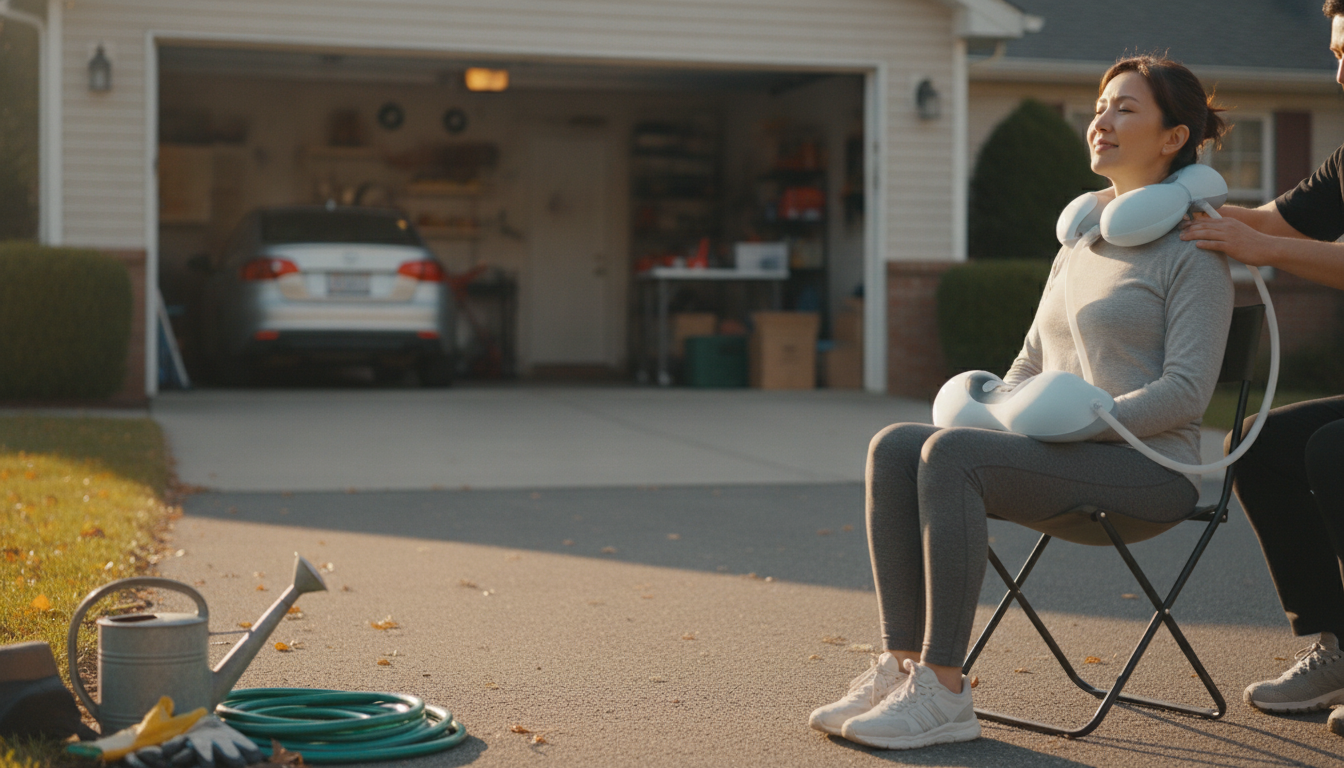
A neck massage can help some people with arthritis feel better, but it doesn’t treat the arthritis itself. The biggest benefit is usually symptom relief—less muscle tightness around the neck and shoulders, reduced spasms, and improved comfort and range of motion. When joints are irritated, nearby muscles often “guard” the area, which can make stiffness and pain feel worse; gentle massage may help calm that cycle.
How massage may help arthritis-related neck pain
Arthritis in the cervical spine (or arthritis that changes posture and muscle balance) can lead to tension headaches, shoulder tightness, and limited neck mobility. Light-to-moderate massage may increase local circulation, decrease trigger-point sensitivity, and reduce stress-related pain amplification. Many people notice the best results when massage is paired with heat, since warmth can make stiff tissues easier to relax.
When massage may not help (or could aggravate symptoms)
If the neck is actively inflamed, very sore to the touch, or swollen, deep pressure can make symptoms flare. Massage also isn’t a good idea over areas with skin infection, unexplained lumps, recent injury, or severe osteoporosis. If arthritis symptoms include numbness, tingling, arm weakness, problems with balance, or shooting pain, it’s important to get medical guidance first—those signs can indicate nerve involvement that massage won’t fix.
Tips for safer, more comfortable neck massage
Stick with gentle pressure and shorter sessions, especially at first. Avoid aggressive kneading directly over the spine; focus on the surrounding muscles (upper traps, levator scapulae, and the base of the skull). Heat can be a helpful add-on before or during massage, and some people prefer a hands-free option that keeps pressure consistent.
For practical guidance on combining heat and massage—and what to look for in a supportive device—see this cervical massage pillow and heat guide.
FAQ
Is heat or ice better for arthritis neck pain?
Heat is often better for stiffness and muscle tightness, while ice can be helpful after activity when the area feels hot or inflamed. Some people alternate both to see which gives the most relief.















Leave a comment