Best Produce for a Straight-Blade Manual Peeler
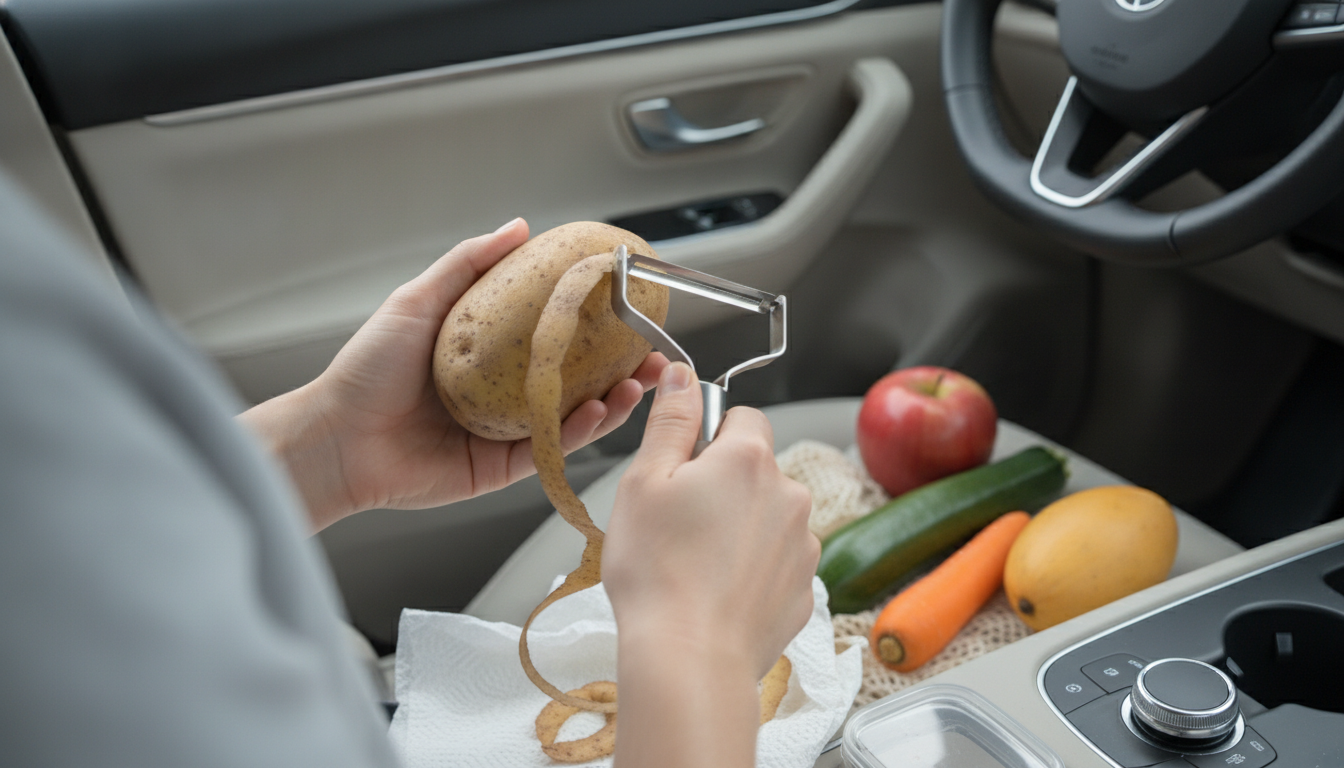
What types of fruits and vegetables work best with a straight-blade manual peeler?
A straight-blade manual peeler shines on produce with smooth or lightly textured skins where you want long, clean strokes and consistent thickness. It’s a simple tool, but the results are noticeably better when the ingredient matches the blade style and the shape is easy to grip and rotate.
Best choices: firm, smooth-skinned, and easy-to-hold produce
Potatoes are a classic match because their skins lift quickly, and the firm flesh supports steady pressure. Carrots also peel cleanly—especially thicker ones—since the blade can travel in long passes without snagging. Cucumbers and zucchini work well when they’re firm; the peeler glides over the surface and removes thin ribbons without digging in.
For fruit, apples and pears are strong candidates when they’re crisp and not overly ripe. Their skins are thin enough for a straight blade to remove efficiently, and the round shape lets you rotate the fruit as you peel. Mangoes can work too, but only when they’re on the firmer side and you’re careful around the curves.
Where a straight blade is less ideal
Very soft produce (like overripe peaches) can tear instead of peel cleanly. Highly bumpy or deeply “eyed” surfaces can also slow you down. For example, ginger is often easier with a spoon, and very uneven skins may be quicker with a serrated peeler rather than a straight blade.
Quick tips for better results
Choose produce that’s firm and dry, use light pressure, and let the blade do the work. If you’re peeling something round (apples, potatoes), rotate the food—don’t twist your wrist to chase the curve.
For more specifics on choosing and using peelers, visit the main guide: https://lirete.com/what-types-of-fruits-and-vegetables-work-best-with-a-straight-blade-manual-peeler/.
FAQ
What’s the difference between a straight peeler and a serrated peeler?
A straight peeler is best for smooth skins and clean, thin strips, while a serrated peeler grips better on softer or waxier skins like tomatoes or peaches. If your peeler tends to slip, serrations often solve the problem.
















Leave a comment