Is a Real Leather Jacket Worth Buying? Cost vs Wear
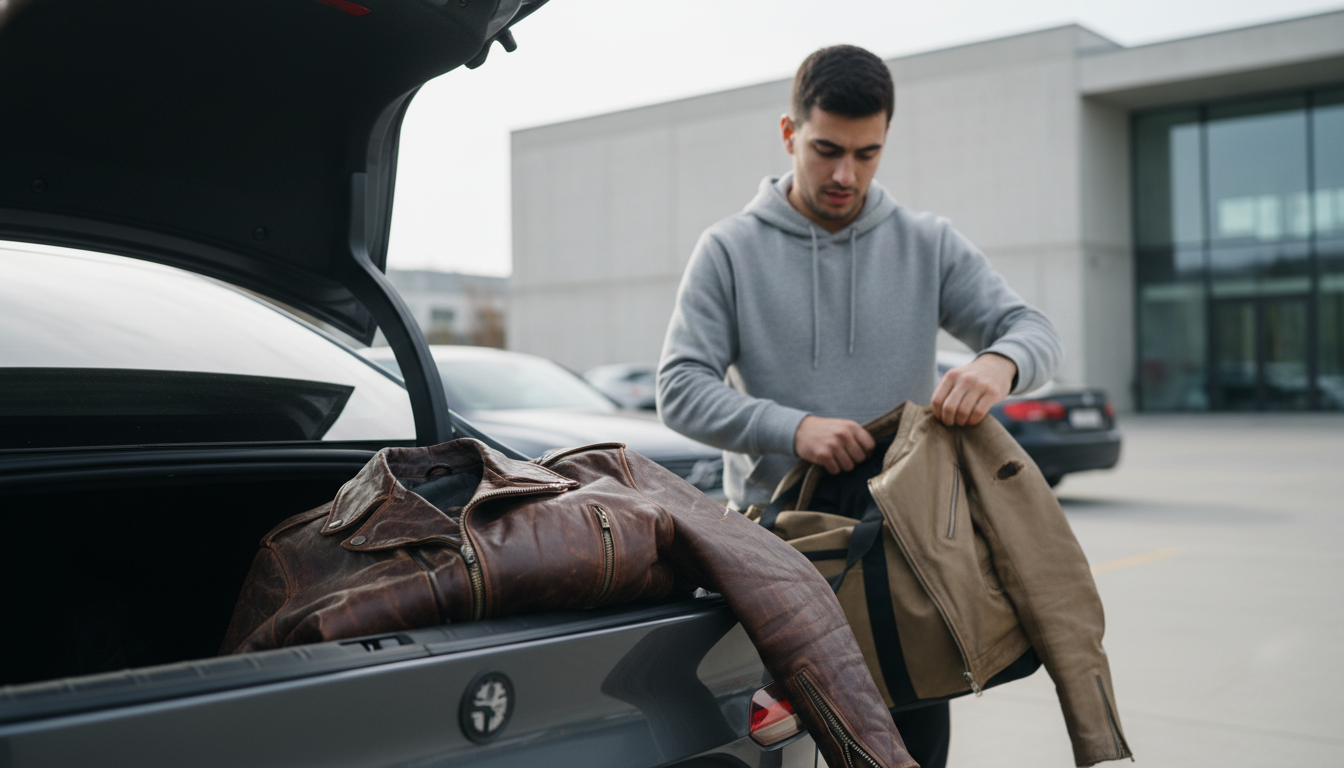
Is it worth buying a real leather jacket?
For most shoppers who plan to wear it for years, a real leather jacket is usually worth it. Genuine leather tends to look better with age, handles daily friction well, and can often be maintained or repaired instead of replaced. If cost-per-wear matters, leather typically wins because it stays in rotation longer than many synthetic options.
What you’re paying for with real leather
A quality leather jacket offers a mix of durability, structure, and comfort that improves over time. As it breaks in, it molds to your body and develops a natural patina rather than peeling or cracking the way many faux materials can. Real leather also holds its shape, so collars, lapels, and seams look sharp season after season.
When it’s a smart buy
It’s a great purchase if you want a wardrobe staple you’ll wear multiple times a week—commuting, nights out, travel, or layering in cooler months. Leather also works across styles (moto, bomber, blazer-inspired cuts), making it easier to justify the investment. If you’re willing to do basic care—wiping it down, conditioning occasionally, storing it properly—it can last for many years.
When it might not be worth it
If you rarely wear jackets, live in a hot climate, or prefer frequent trend changes, the higher upfront cost may not pay off. It’s also not ideal for shoppers who want machine-wash convenience or who are sensitive to scuffs and natural marks—real leather is tough, but it isn’t “perfect,” and that’s part of its character.
How to spot a jacket worth the money
Look for even grain, sturdy stitching, and hardware that feels solid (zippers should glide smoothly). The leather should feel substantial but not plastic-like. A good lining and clean seam finishing are strong indicators you’re buying something built to last. For more guidance on identifying genuine leather and what to look for in construction, visit this genuine leather guide.
FAQ
How do you care for a real leather jacket?
Wipe it with a soft, dry cloth after wear, condition it occasionally to prevent drying, and store it on a wide hanger away from heat and direct sun. If it gets wet, let it air-dry naturally—no hair dryers or radiators.














Leave a comment