X-Inch Metal Bathroom Mirror Guide: Size & Placement
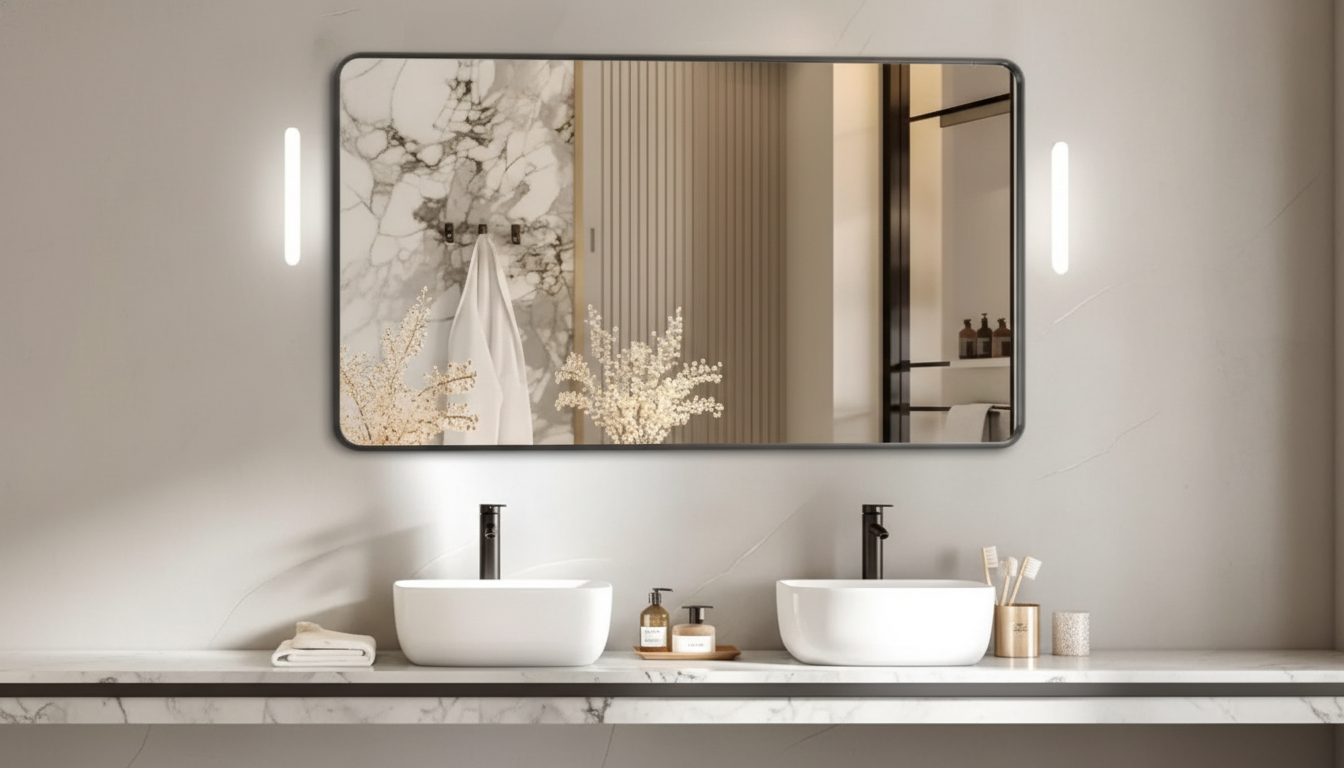
X-Inch Metal Bathroom Mirror: Sizing, Placement, and a Clean Modern Look
An x-inch metal bathroom mirror can sharpen daily routines and elevate the room’s finish with a crisp frame line that reads modern, industrial, or minimalist depending on the hardware and lighting. The right size and mounting height matter as much as the frame material—especially over a vanity where proportions and moisture resistance determine long-term satisfaction.
Why a Metal Frame Works So Well in Bathrooms
Bathrooms ask more from a mirror than most rooms: steam, splashes, constant wiping, and bright task lighting. A well-finished metal frame is a strong match for those conditions and for today’s cleaner-lined interiors.
- Moisture-tolerant construction: metal frames typically hold up well in humid environments when finishes are properly sealed, helping reduce the “tired” look that can happen around edges over time.
- A defined edge that looks intentional: metal creates a thin, consistent border that suits modern and transitional spaces and can make even a simple vanity zone look designed.
- Pairs easily with fixtures: black, stainless, gold, and brushed tones can echo faucets, shower trim, and cabinet pulls, creating a cohesive finish story without overmatching.
- More forgiving around splashes: a frame helps protect mirror edges and can simplify wiping water spots near the perimeter, where buildup often starts.
For planning guidance around bathroom clearances and fixture placement, the NKBA Bathroom Planning Guidelines are a helpful reference point when coordinating mirrors, lighting, and the vanity footprint.
Choosing the Right X-Inch Size for Your Vanity
Mirror sizing looks deceptively simple until the room is in front of you. The goal is balance: enough mirror to feel generous and functional, without swallowing the wall or crowding lighting and trim.
- Start with vanity width: a mirror often looks balanced when it is slightly narrower than the vanity, leaving visible countertop on both sides for breathing room.
- Consider height for viewing comfort: taller mirrors give better full-face and upper-torso visibility, especially in shared bathrooms where users vary in height.
- Account for wall space and lighting: ensure the mirror size doesn’t crowd sconces, medicine cabinets, or window trim; “almost fits” tends to look accidental.
- Think about vertical vs. horizontal orientation: wider vanities typically suit landscape mirrors; narrow vanities often look best with portrait mirrors to visually add height.
Quick sizing guide for an x-inch mirror over a vanity
| Vanity width | Mirror width (typical range) | Notes for placement |
|---|---|---|
| 24 in | 18–22 in | Leave breathing room for trim and towel rings. |
| 30 in | 24–28 in | If using sconces, confirm side clearance. |
| 36 in | 28–34 in | A wider mirror can reduce shadows if lighting is centered. |
| 48 in | 42–46 in | Great for a statement mirror; verify stud locations for secure mounting. |
| 60 in (double) | 50–58 in or two 24–28 in mirrors | Two mirrors can align better with dual faucets and sconces. |
Placement Details That Make It Look Custom
Small layout choices can be the difference between “installed” and “built-in.” Metal frames highlight alignment, so clean measuring pays off.
- Center on the sink or faucet: visual alignment usually matters more than centering on the full vanity run, especially if the sink isn’t centered or if there’s an offset drawer stack.
- Typical height rule of thumb: keep the mirror’s center near average eye level and ensure the top doesn’t clash with light fixtures. When multiple people use the space, prioritize the primary users and expand mirror height for flexibility.
- Leave room above the backsplash: a small gap prevents visual crowding and makes cleaning easier—especially if grout lines or stone veining are busy.
- If adding sconces: position them so light lands evenly across the face; mirror width influences where sconces can sit without feeling pinched.
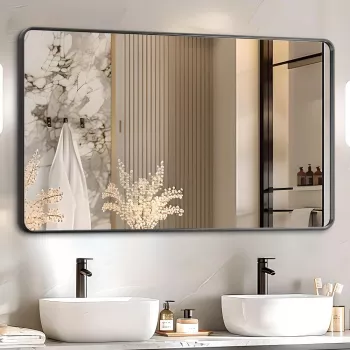
Spotlight: 48×30 Inch Black Metal Bathroom Mirror
If you’re narrowing down an x-inch option that feels substantial but still clean-lined, a large-format landscape mirror is a reliable direction—particularly for 48-inch vanities or for a bold single-sink statement.
At-a-glance product details
| Item | Size | Frame color | Availability |
|---|---|---|---|
| 48×30 Inch Black Metal Bathroom Mirror | 48×30 in | Black | In stock |
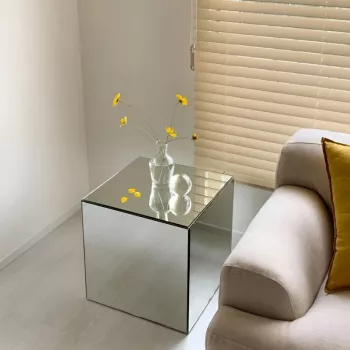
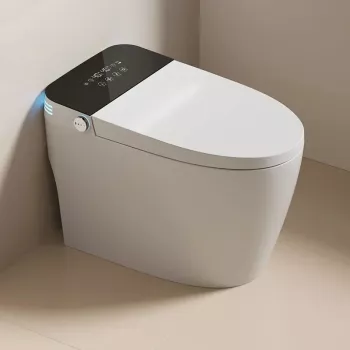
To round out a modern bathroom upgrade beyond the vanity wall, consider pairing a strong mirror line with a comfort-forward fixture like the Smart Toilet with Auto Open and Flush, Heated Seat, Bidet, and Intelligent Features. In larger primary baths, a sleek accent surface such as the Minimalist Acrylic Side Table can work as a light, easy-to-clean perch for towels or a candle—especially when you want the room to feel airy rather than crowded.
Mirror vs. Mirror Cabinet: Which Is Right for the Space?
Installation and Safety Notes
- Use appropriate anchors or studs: larger x-inch mirrors can be heavy; secure mounting prevents sagging and accidents. When possible, hit studs or use anchors rated for the load.
- Check wet-zone suitability: avoid placing directly where constant spray hits the frame unless the finish is explicitly rated for it.
- Plan for leveling and alignment: small errors are highly visible with crisp metal edges—measure, mark, and level twice before drilling.
- Keep cleaning simple: microfiber cloths and non-abrasive cleaners help protect both glass and frame finish. For guidance on gentler cleaner choices, the EPA Safer Choice program is a useful resource.
FAQ
What is the correct name for a bathroom mirror cabinet?
Common terms include “medicine cabinet,” “mirror medicine cabinet,” or “recessed/flush-mount medicine cabinet,” depending on whether it’s set into the wall or surface-mounted.













Leave a comment