Smart Toilet Comfort Guide: Auto Open, Flush, Heat & Bidet
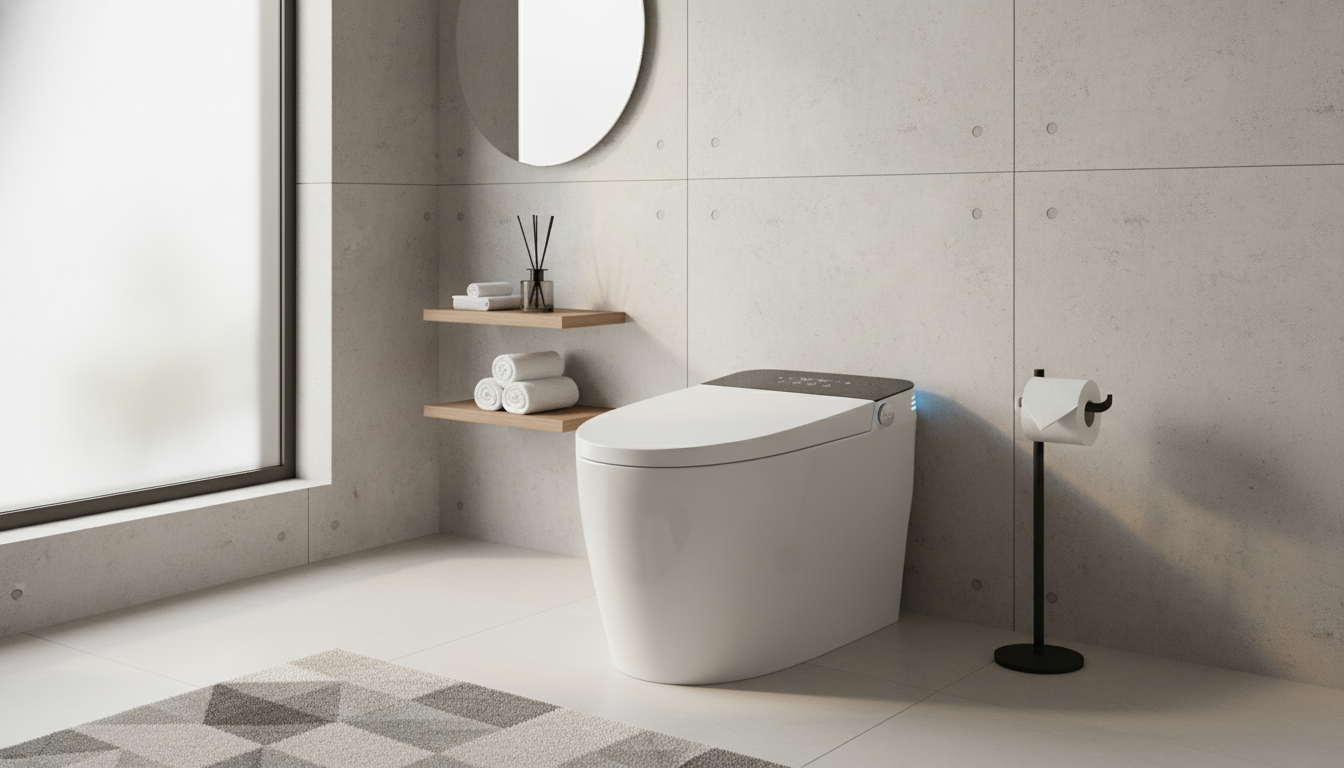
Smart Toilet Comfort, Cleanliness, and Hands-Free Convenience—What to Expect
A smart toilet can make daily routines feel cleaner, quieter, and more comfortable—especially with hands-free lid operation, automatic flushing, and a warm seat. Beyond the “wow” factor, the real value is consistency: predictable flushing, customizable washing, and fewer high-touch surfaces. The sections below explain which intelligent features matter most, what to check before installation, and how to dial in settings like water temperature, nozzle position, and drying for a routine that feels natural in your bathroom.
What Makes a Smart Toilet Feel Truly Hands-Free
The most noticeable upgrade is reduced contact. An auto open/close lid helps minimize touching the seat or lid—often the highest-touch surfaces in the room—and it can also keep the bathroom feeling tidier because the lid closes consistently instead of being left up.
Automatic flushing adds to that “hands-free” experience by triggering after use. Many smart toilets let you adjust sensitivity and timing so the flush doesn’t feel premature, delayed, or overly sensitive to movement. In practice, the best setups strike a balance: responsive enough to work every time, but not so eager that it flushes unexpectedly.
These features rely on sensors, which means bathroom layout matters. Built-in sensors usually need a clear line of sight and stable power; placement (tight alcoves, reflective surfaces, or odd angles) can affect responsiveness. If your toilet space is narrow, plan for careful positioning and follow the recommended clearances.
For nighttime comfort, small touches can make a big difference—soft lighting, dim indicators, and quieter operating modes help keep the room calm during late-night trips.
Comfort Features That Change the Day-to-Day
A heated seat is one of those features that quickly becomes “non-negotiable,” especially in colder months. Most models offer multiple levels, and moderate warmth often feels better than maximum heat for longer sits.
Bidet functions are typically the biggest hygiene upgrade. Common modes include rear wash, feminine wash, and oscillating or pulsing spray patterns. The most important controls are adjustable water pressure, temperature, and nozzle position—these help reduce irritation, improve effectiveness, and make it easier for different users to find a comfortable setting.
Common intelligent functions and what they do
| Feature | What it helps with | What to look for |
|---|---|---|
| Auto open/close | Hands-free convenience | Adjustable sensor range; gentle close |
| Auto flush | Less touch, less odor linger | Reliable sensing; manual override option |
| Heated seat | Cold-weather comfort | Multiple temperature levels; quick warm-up |
| Bidet wash | Better cleanliness | Pressure + temp control; adjustable nozzle position |
| Dryer | Less paper use | Warm air; adjustable strength; reasonable noise level |
| Deodorization | Fresher bathroom | Auto start/stop; replaceable filter if applicable |
Hygiene and Cleaning Design Details to Prioritize
For deeper cleaning, quick-release seats and lids are a practical win. If a seat detaches easily, it’s simpler to reach hinge areas and under-seat zones that can be awkward to clean on traditional toilets. For general bathroom hygiene guidance, the CDC’s recommendations are a helpful reference: CDC — Hygiene in the Bathroom.
Installation Checks Before Buying
Before falling in love with features, confirm your bathroom can support them. Power is usually the first hurdle: most smart toilets require a nearby GFCI outlet to run the heater, bidet functions, lid sensor, and drying. Extension cords are best avoided; when in doubt, consult a qualified electrician and follow applicable code requirements (see National Electrical Code (NFPA 70)).
Quick pre-install checklist
| Item to verify | Why it matters | How to confirm |
|---|---|---|
| GFCI outlet within reach | Required for powered features | Check outlet location and cord length |
| Rough-in measurement | Ensures fit to drain location | Measure wall-to-bolt centerline |
| Shutoff valve clearance | Prevents pinched lines and difficult servicing | Check valve position and side clearance |
| Bathroom dimensions | Avoids lid/door interference | Measure bowl projection and door swing |
| Floor level | Prevents leaks and wobble | Use a level; plan for shims if needed |
Daily Use Tips for Getting the Best Experience
Water efficiency can vary by model and settings. If low water use is a priority, it’s worth reviewing guidance like EPA WaterSense — Toilets when comparing options.
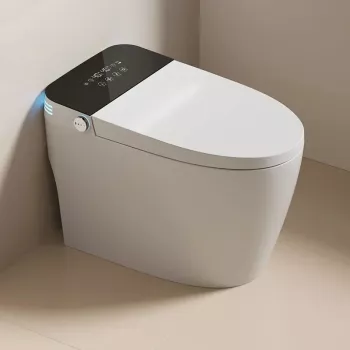
Featured Option: Smart Toilet with Auto Open and Flush, Heated Seat, Bidet, and Intelligent Features
If the goal is an all-in-one upgrade (hands-free lid, automatic flushing, heated seating, and bidet washing), the Smart Toilet with Auto Open and Flush, Heated Seat, Bidet, and Intelligent Features is designed to bring those comfort and cleanliness features into one integrated unit. It’s a strong fit for primary bathrooms where reduced touchpoints and daily comfort matter most.
At-a-glance details
| Item | Details |
|---|---|
| Product | Smart Toilet with Auto Open and Flush, Heated Seat, Bidet, and Intelligent Features |
| Price | 1590.49 USD |
| Availability | In stock |
| Product page | View product |
Bathroom Add-Ons That Complement a Smart Toilet Upgrade
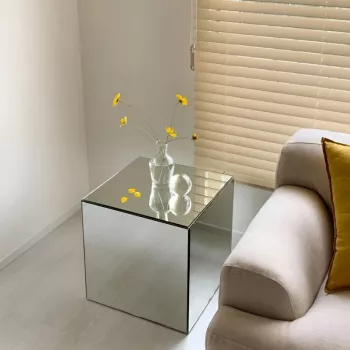
- Minimalist Acrylic Side Table for a light, easy-to-clean surface near a tub or lounge chair.
- Black Glazed Ceramic Eight Trigrams Sandalwood Backflow Incense Burner to support a calmer, spa-like atmosphere (always use with proper ventilation).
- Modern Gold Stainless Steel Coffee Table as a statement piece for adjacent spaces if you’re coordinating a broader home refresh.
FAQ
Does a smart toilet need a dedicated outlet?
Many models require a nearby GFCI outlet to power the seat heater, bidet functions, sensors, and dryer. Confirm outlet location and cord reach ahead of time, avoid extension cords, and follow local electrical codes.
What happens if the power goes out?
Some units keep basic use possible through a manual flush option or an override method, while others pause advanced functions until power returns. Check the product instructions for the specific manual steps and any backup capability.
Is a bidet function sanitary and easy to maintain?
It can be very sanitary when the toilet includes self-cleaning nozzle rinses and clear maintenance intervals. Regular exterior wipe-downs plus periodic nozzle and filter care typically keep performance consistent.













Leave a comment