5-Pc Orange Cylinder Polishing Pads for Tight Spaces
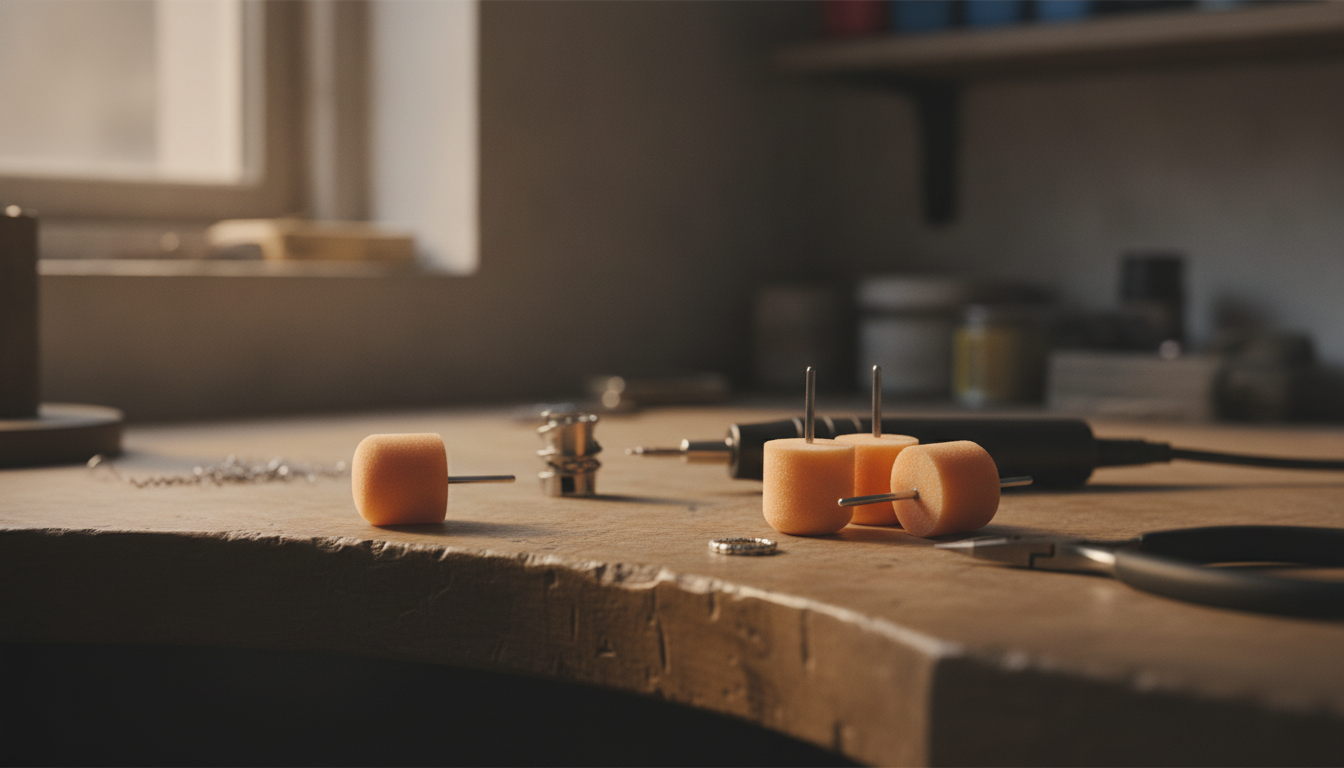
Orange Flexible Shaft Cylinder Polishing Pad Set (5Pcs): Clean, Polish, and Finish Tight Spaces
When a standard buffing wheel is too wide and a flap disc is too aggressive, a compact cylinder polishing pad can make the difference between “good enough” and a clean, even finish. The Orange Flexible Shaft Cylinder Polishing Pad Set (5Pcs) is built for detailed work in grooves, holes, ports, and curved interiors—places where control matters more than surface coverage. Used with a flexible shaft tool, these small cylinder pads help refine surfaces after light sanding, brighten dull metal, and restore shine on tight, contoured parts without fighting the workpiece.
What This 5-Piece Cylinder Pad Set Is Made For
- Detail polishing inside rings, tubes, ports, and small cavities
- Smoothing and brightening metal surfaces after light sanding or deburring
- Cleaning oxidation and residue on hard-to-reach corners and contours
- Finishing small hardware, fittings, tool parts, and hobby components
- Controlled work at lower speeds where a large wheel can grab or chatter
These pads are especially helpful when the job demands consistent contact on an inside radius. Instead of “skipping” across edges the way larger accessories can, a cylinder profile stays engaged and makes it easier to build a uniform sheen—particularly on concave shapes and interior diameters.
Key Features That Matter in Tight-Space Polishing
- Cylinder pad shape supports consistent contact on concave surfaces and inside diameters
- Flexible shaft compatibility improves maneuverability and visibility at the work area
- Multiple pads allow staging: one for cleaning, one for polishing compound, one for final touch-up
- Compact size helps reduce accidental rounding of edges compared with bulkier accessories
- Bright orange pads are easy to identify as “polish/finish” accessories in a mixed toolkit
At-a-glance checklist
| What to confirm | Why it matters |
|---|---|
| Shank/holder compatibility with the flexible shaft | Prevents wobble and slipping during use |
| Pad diameter matches the inside radius | Improves finish uniformity and reduces edge gouging |
| Compound type matches the material | Avoids hazing soft metals or under-polishing hard alloys |
| Speed control available | Lower RPM improves control and reduces heat |
| Dedicated pad per compound | Prevents cross-contamination and inconsistent results |
How to Use Cylinder Polishing Pads for a Cleaner Finish
- Prep first: remove heavy burrs with a file or abrasive, then wipe dust and oils before polishing
- Start dry fit: test pad contact in the cavity to ensure it doesn’t bind or bottom out
- Use light pressure: let the pad and compound do the work to avoid chatter and heat marks
- Work in passes: short, controlled strokes help maintain even coverage on curved interiors
- Keep the pad moving: lingering in one spot can create hot spots or uneven gloss
- Finish and clean: wipe residue with a clean cloth; inspect under angled light for haze or swirl
A practical workflow is to treat the set like a small “finishing station.” Keep one pad for initial cleanup (removing light residue), a second pad for the main polishing compound, and a third pad for the last pass. This reduces streaking and keeps the final surface from picking up leftover grit.
Picking a Compound and Speed (Practical Starting Points)
- For aluminum and brass: start with a mild polish; use lower-to-mid speed to reduce smearing
- For stainless steel: step through cleaner/polish to finishing compound; moderate speed with light pressure
- For plated parts: use the mildest compound available and minimal pressure to protect the coating
- For plastics: use plastic-safe polish; keep speed low to avoid softening and streaking
- If the surface warms quickly: reduce RPM and pressure and increase movement
Simple material guide
| Material | Suggested approach | Watch-outs |
|---|---|---|
| Aluminum | Mild compound, light pressure | Smearing if too hot |
| Stainless steel | Two-step polish then finish | Heat tinting on thin edges |
| Brass/copper | Gentle polish, frequent wipe-down | Over-brightening removes patina |
| Chrome/plated | Ultra-mild polish only | Cutting through plating |
| Plastic/acrylic | Plastic polish at low RPM | Melting or haze from heat |
Care, Reuse, and Storage Tips
Safety Notes for Small-Part Polishing
Detail polishing still involves rotating tooling, pinch points, and airborne residue. Use eye protection, secure small parts so they can’t spin, and avoid forcing a pad into a cavity where it can bind. For general guidance on abrasive and rotating equipment safety, refer to OSHA’s abrasive wheel machinery safety information. If polishing sessions run long or tools are loud, hearing protection is a smart baseline—see NIOSH resources on noise and hearing loss prevention.
Product Details and What’s Included
Purchase snapshot
| Item | Included | Price |
|---|---|---|
| Orange Flexible Shaft Cylinder Polishing Pad Set – 5Pcs | 5 pads | USD 9.51 |
Related Picks (In Stock)
- Minimalist Acrylic Side Table (for acrylic surfaces where low-RPM, plastic-safe polishing techniques matter)
- Modern Gold Stainless Steel Coffee Table (for stainless and plated finishes where gentle, staged polishing helps preserve the surface)
FAQ
Can these cylinder polishing pads be used with a rotary tool instead of a flexible shaft?
Often yes, as long as the shank or holder matches your rotary tool’s collet and tightens securely. A flexible shaft is still preferred for tight access and smoother control, so it’s worth verifying fit and stability before starting.
What speed should be used for polishing inside small holes and tubes?
Start at a low speed and increase gradually only if the pad isn’t cutting or shining effectively. Light pressure and constant movement help prevent heat buildup, which is especially important for aluminum, plated parts, and plastics.
How can cross-contamination between compounds be avoided?
Dedicate one pad per compound grade and store them separately so residue doesn’t transfer. Cleaning pads between sessions and keeping them away from sanding dust helps maintain a predictable finish.















Leave a comment