Geometric Mirrors for Living Rooms: Placement & Style
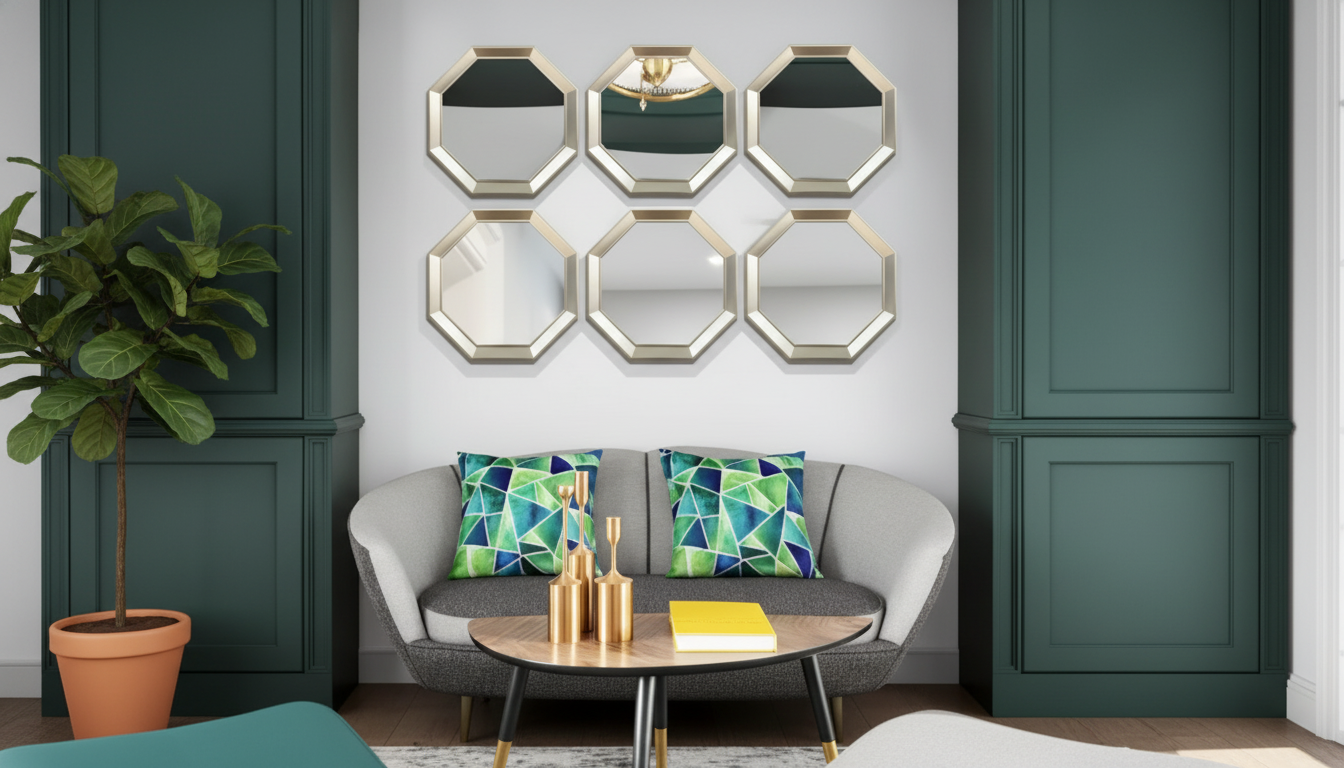
Geometric Mirrors: Light, Balance, and Modern Texture for the Living Room
Geometric wall mirrors bring structure to a living room while also amplifying light and visually expanding the space. With clean lines and repeating shapes, they can act as a subtle accent or a true focal point—depending on scale, placement, and what surrounds them. Whether the room leans modern, transitional, or comfortably eclectic, geometric silhouettes add an organized rhythm that helps the whole space feel more intentional. For more guidance, see Wall Mirrors – Stylish & Functional Decor for Every Room.
Below are practical placement ideas, styling tips that keep reflections flattering (not distracting), and a few finishing touches that help a geometric mirror look like it was always meant to be there. For further reading, see COOLEST DECORATIONS FOR ROOM – Dash Hrecos Org.
Why Geometric Mirrors Work So Well in Living Rooms
Geometric mirrors do more than decorate; they change how a room reads at a glance. Their angles and repetition can “edit” a wall visually—creating order even when the rest of the room mixes textures and eras.
- They add visual rhythm: repeated angles and shapes create a tidy, modern backbone, even in layered spaces with vintage pieces.
- They boost brightness: geometric mirrors bounce daylight and lamplight, lifting darker corners and making a big wall feel less flat.
- They create depth: reflecting art, greenery, or a window view can make a room feel wider without moving furniture.
- They play well with popular finishes: gold, black, chrome, and warm wood tones all pair naturally with geometric frames.
For additional guidance on using mirrors to enhance light and flow, see HGTV’s overview on decorating with mirrors and Architectural Digest’s mirror decorating ideas.
Best Placements: Above Sofa, Console, Fireplace, or Accent Wall
Placement determines whether a geometric mirror feels calming and architectural—or busy and attention-grabbing. Aim for a spot where it can reflect something attractive and where the geometry aligns with the room’s main “lines” (sofa width, mantel length, console scale).
- Above the sofa: center the mirror to the seating zone; keep the bottom edge comfortably above head height when seated.
- Over a console table: align the mirror with the console’s width for a balanced, gallery-like look.
- Above a fireplace: choose a shape that complements the mantel line; geometric silhouettes can modernize traditional surrounds.
- On an empty side wall: use a geometric mirror to break up long, hall-like walls and create a purposeful stopping point.
- Opposite a window: maximize daylight reflection; avoid positioning it where it throws harsh glare during peak sun.
Quick Placement Guide (Sizes and Spacing)
| Location | Recommended Mirror Width | Vertical Spacing | Styling Notes |
|---|---|---|---|
| Above sofa | About 2/3 to 3/4 of sofa width | 6–10 in above back/line of cushions | Pair with two sconces or tall plants to frame the shape |
| Over console | About 2/3 to equal console width | 4–8 in above tabletop | Add a tray, books, and one sculptural object to echo angles |
| Above fireplace | Slightly narrower than mantel | 2–6 in above mantel | Keep surrounding decor minimal so the geometry reads clearly |
| Accent wall cluster | Varies; plan as a single composition | 2–4 in between pieces | Mix shapes but keep finish consistent for cohesion |
Choosing the Right Shape and Finish for the Room
The best geometric mirror is the one that complements the room’s existing “language”—straight lines vs. curves, warm metals vs. cool metals, bold contrast vs. quiet tone-on-tone.
- Angular shapes (hexagons, diamonds, sharp polygons) read bold and architectural—especially strong with modern sofas and linear coffee tables.
- Rounded geometry (arched segments, softened polygons) feels calmer and works well with curved rugs, boucle, and organic decor.
- Gold or brass warms up neutrals and adds an elevated feel; black frames create crisp contrast and help anchor light walls.
- Check surrounding lines: if the room already has many rectangles (TV, shelves, frames), a geometric mirror can break repetition; if the room is visually busy, choose a simpler silhouette.
If the living room includes metallic accents, keep the mix intentional: repeat the mirror’s finish once or twice (a tray, a lamp base, or hardware) rather than scattering multiple metals evenly across the room.
Styling Ideas That Make the Mirror Look Intentional
Easy living room pairings (cohesive, not crowded)
- Modern Gold Stainless Steel Coffee Table: a clean-lined centerpiece that complements warm metallic frames and reinforces a modern, structured vibe.
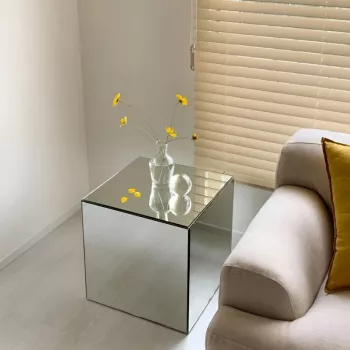
- Minimalist Acrylic Side Table: a lighter visual footprint that won’t compete with strong wall geometry—especially helpful in smaller living rooms.
Hanging and Safety: What to Check Before Mounting
A Modern Statement Option
If you want a single piece that can anchor a sofa wall, a console vignette, or the transition between an entry and living area, Geometric Wall Hanging Decorative Mirrors for Living Room Décor offers a bold silhouette that reads modern without overwhelming the room.
FAQ
What should a living room mirror reflect?
A living room mirror should reflect something you want to see more of: a window, artwork, greenery, or a well-styled area. Avoid placing it where it reflects clutter, strong TV glare, or harsh direct light; check the sightlines from the main seating to be sure the reflection stays pleasant.
How high should a wall mirror be hung above a console table?
A practical guideline is to hang the mirror about 4–8 inches above the tabletop. Adjust slightly based on the mirror’s height, the ceiling height, and whether sconces or lamps nearby need extra breathing room.
Can geometric mirrors make a small living room look bigger?
Yes—by reflecting light and extending sightlines, a geometric mirror can add perceived depth and make the room feel more open. Position it opposite a window (or angled to reflect open space) for the biggest effect, and avoid overusing multiple reflective pieces that can feel visually busy.









Leave a comment