Ceramic Slanted Pet Bowl & Wooden Stand: Cleaner Meals
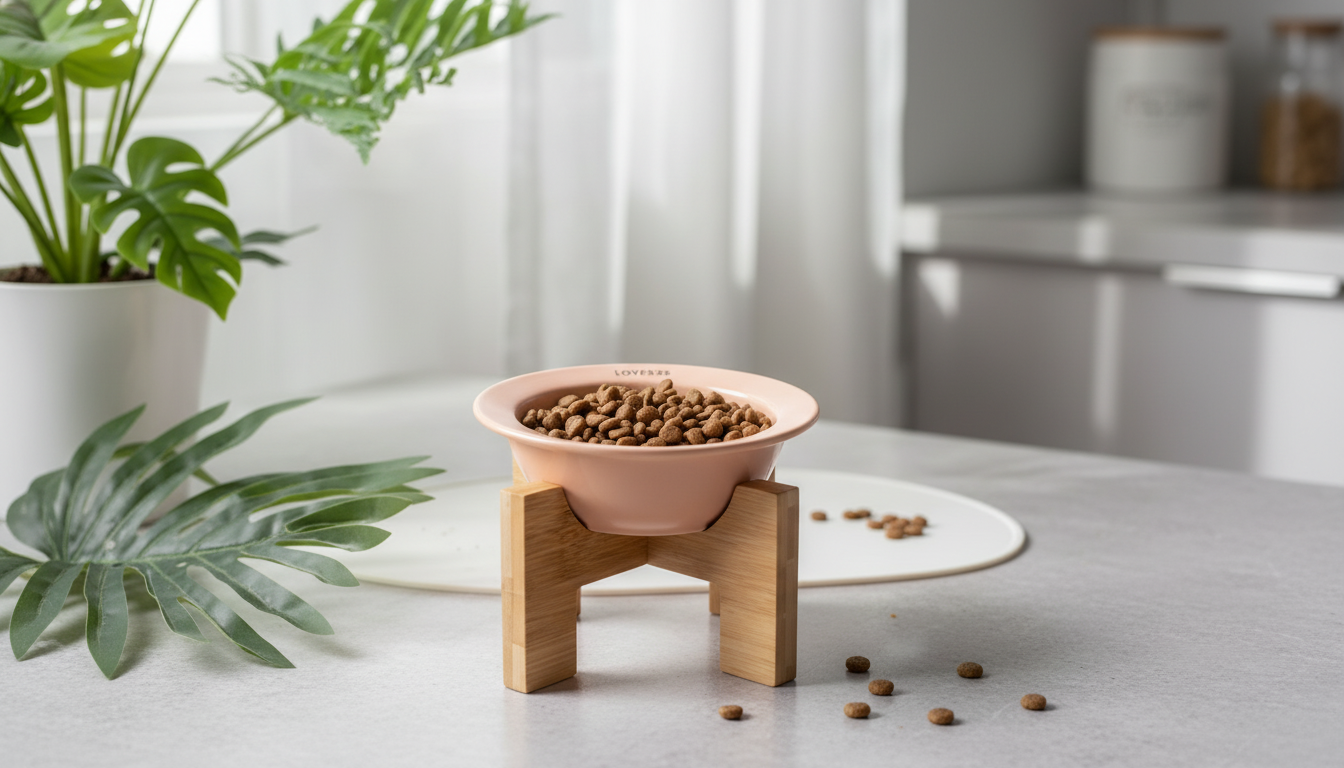
Elevate Mealtime with a Ceramic Slanted Pet Bowl and Wooden Stand
A slanted, elevated feeding setup can make daily meals cleaner, more comfortable, and easier to manage—especially for pets that rush their food, have shorter snouts, or prefer a more natural head-and-neck position. A ceramic bowl paired with a wooden stand creates a stable, easy-to-clean feeding station that fits neatly into modern homes while helping define a consistent spot for food and water. For more guidance, see Violent Devotion – New Ohio Review.
What makes a slanted, elevated bowl different
Traditional floor-level bowls can encourage pets to push food around, scatter kibble, and hunch their necks—particularly on slick flooring. A slanted, elevated design changes the geometry of eating in a way many pets find more intuitive. For further reading, see SPUNKYJUNKY 15° Slanted Ceramic Dog and Cat Bowl with ….
- Slanted bowl angle helps keep food centered, reducing the need for pets to chase kibble around the rim.
- Elevated height supports a more comfortable eating posture for many pets by reducing the need to bend deeply at the neck.
- Stand + bowl setup creates a defined feeding zone that can help limit spills and floor mess.
- Useful for dry food, wet food, and water; a ceramic surface typically resists odor and staining better than many plastics.
Materials and build: ceramic bowl + wooden stand
The feel of a feeding station matters: weight, stability, and how quickly it cleans up after breakfast. This style combines two materials that play distinct roles—ceramic for the bowl surface and wood for elevation and visual warmth.
- Ceramic bowl surface is smooth and non-porous compared with many alternatives, helping with quick rinse-and-wipe cleanup after meals.
- Ceramic weight can add stability, making the bowl harder to tip for enthusiastic eaters.
- Wooden stand adds elevation and keeps the bowl in place; look for a steady base that doesn’t wobble on hard floors.
- For longevity, keep the wooden stand dry when possible (wipe splashes promptly) and avoid prolonged soaking.
Comfort and daily use for cats and small-to-medium dogs
Feeding comfort is rarely one-size-fits-all, but a slanted, raised bowl can be a practical upgrade for many cats and small-to-medium dogs—especially if they eat quickly or tend to push food out of the bowl.
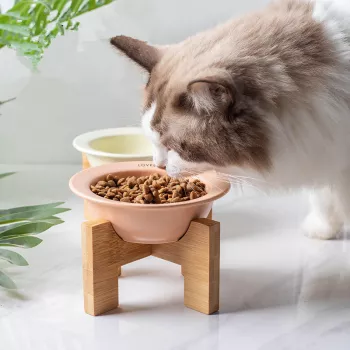
- For cats, the angled presentation can help reduce whisker contact with the rim for some feeding styles and keep food accessible.
- For dogs, a stable raised station can slow the “push and scatter” pattern where kibble is nudged out of the bowl.
- Helpful for multi-pet homes by assigning a consistent feeding spot; consider separate bowls per pet to prevent resource guarding.
- If a pet has arthritis, neck pain, or mobility limitations, consult a veterinarian on ideal feeding height and setup.
For pet food and bowl hygiene basics, general handling guidance from the AVMA and the FDA offers a solid routine for safer daily feeding.
Cleaning and care routine
A feeding station feels “premium” when it stays fresh with minimal effort. Ceramic is naturally convenient here: it rinses clean quickly and is less likely to hold onto odors. The wooden stand simply needs basic moisture care to keep it looking its best.
- Wash the ceramic bowl daily for wet food and regularly for dry food to reduce residue buildup; rinse after each meal when possible.
- Use mild dish soap and warm water; avoid abrasive scrubbers that can dull the glaze over time.
- Dry the wooden stand after spills; periodic gentle cleaning keeps it looking fresh.
- If using for water, refresh water daily and clean the bowl frequently to limit biofilm buildup.
At-a-glance: key benefits and considerations
Before choosing any elevated bowl, it helps to balance comfort, cleanup, and where the station will live day to day. The chart below summarizes what to look for so the setup works for your pet and your space.
| Feature | Why it helps | What to check |
|---|---|---|
| Slanted bowl shape | Keeps food pooled toward the front and reduces chasing kibble | Angle feels comfortable for the pet; rim height doesn’t press on whiskers (cats) |
| Elevated stand | Supports a more natural posture and keeps the bowl stable | Stand height and footprint suit the pet and the feeding area |
| Ceramic material | Smooth, easy to clean; tends to resist lingering odors | Glaze quality and whether the bowl feels solid and stable |
| Wooden base | Adds warmth and prevents sliding when well-designed | Non-slip contact, easy wipe-down, not prone to rocking |
Placement tips for a cleaner feeding area
Product details and availability
If the goal is a feeding station that looks intentional and stays easy to maintain, the Ceramic Slanted Pet Bowl with Wooden Stand offers a straightforward upgrade from floor-level bowls.
Optional add-on for a tidy feeding corner
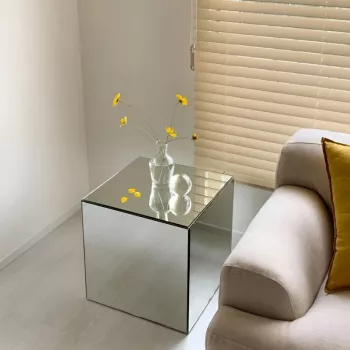
For homes that like to keep pet essentials neatly organized nearby, a compact surface can help hold treats, wipes, or a measured scoop away from the feeding area. The Minimalist Acrylic Side Table is in stock and can work as a simple staging spot without adding visual clutter.
FAQ
Is an elevated slanted bowl good for cats?
It can be, since the raised height and angled presentation may help some cats eat with less neck bending and easier access to food. Preferences vary, so watch for relaxed posture, steady eating, and fewer spills to confirm it’s a good match.
How often should a ceramic pet bowl be cleaned?
Clean daily when serving wet food, and clean frequently for dry food to prevent residue and odor buildup. For water bowls, refresh water daily and wash the bowl often to reduce biofilm.
Will a wooden stand get damaged by water spills?
Occasional splashes are usually fine if they’re wiped up promptly and the stand is kept dry between meals. Avoid soaking the wood, and consider a mat if your pet is an enthusiastic splasher.










Leave a comment