Do Tankless Water Heaters Need 240V or 120V?

Does a tankless water heater need 240 volts?
It depends on the type of tankless water heater. Many electric tankless units require a 240-volt supply because they use high-wattage heating elements to raise water temperature on demand. However, some smaller point-of-use electric models can run on 120 volts, and gas tankless water heaters typically use standard 120-volt power only for controls, ignition, and the fan (the heat comes from gas, not electricity).
When 240 volts is required
Whole-home electric tankless water heaters commonly need 240 volts to deliver enough power for showers, laundry, and multiple fixtures. These units often have one or more dedicated double-pole breakers and heavy-gauge wiring to match the amp draw. If the nameplate or installation manual lists 240V (or 208/240V), the unit must be supplied accordingly to operate safely and reach its rated performance.
When 120 volts may be enough
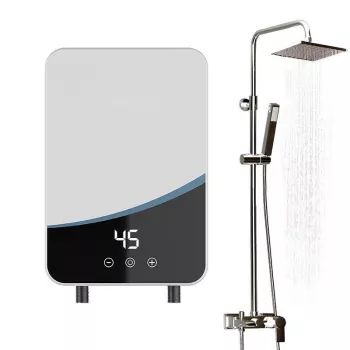
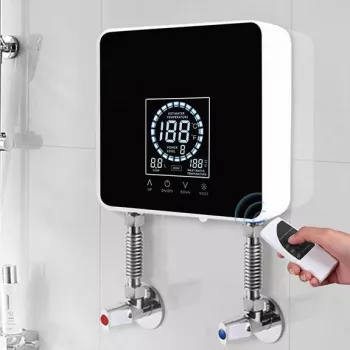
Some compact electric tankless heaters designed for a single sink or a short run of warm water may be built for 120 volts. They usually provide a smaller temperature rise and lower flow rate, which can be fine for handwashing but may not keep up with a full shower, especially in colder incoming-water conditions.
What about gas tankless models?
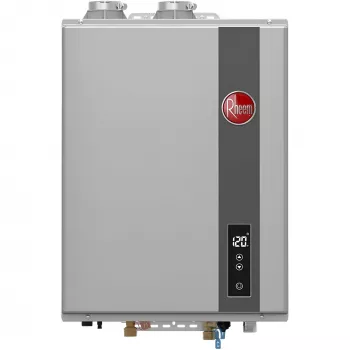
Gas tankless water heaters don’t need 240 volts for heating. Most plug into a standard 120-volt outlet (or are hardwired) to power the electronics and vent fan. If the power goes out, they generally won’t run even though the fuel source is gas, because the controls need electricity.
How to confirm your voltage needs
Check the rating label on the heater, the product specs, and the installation instructions. If you’re upgrading from a tank-style electric heater, note that a tankless electric model may require more amperage and additional circuits. For a deeper breakdown of voltage, wiring, and what to expect during installation, visit the main guide here.
FAQ
What size breaker do I need for an electric tankless water heater?
Breaker size depends on the unit’s kilowatt rating and how many heating elements it uses. Many whole-home electric tankless heaters require multiple double-pole breakers, so always follow the manufacturer’s specified amperage and circuit count.













Leave a comment