Whole House Electric Tankless: Worth It or Not?
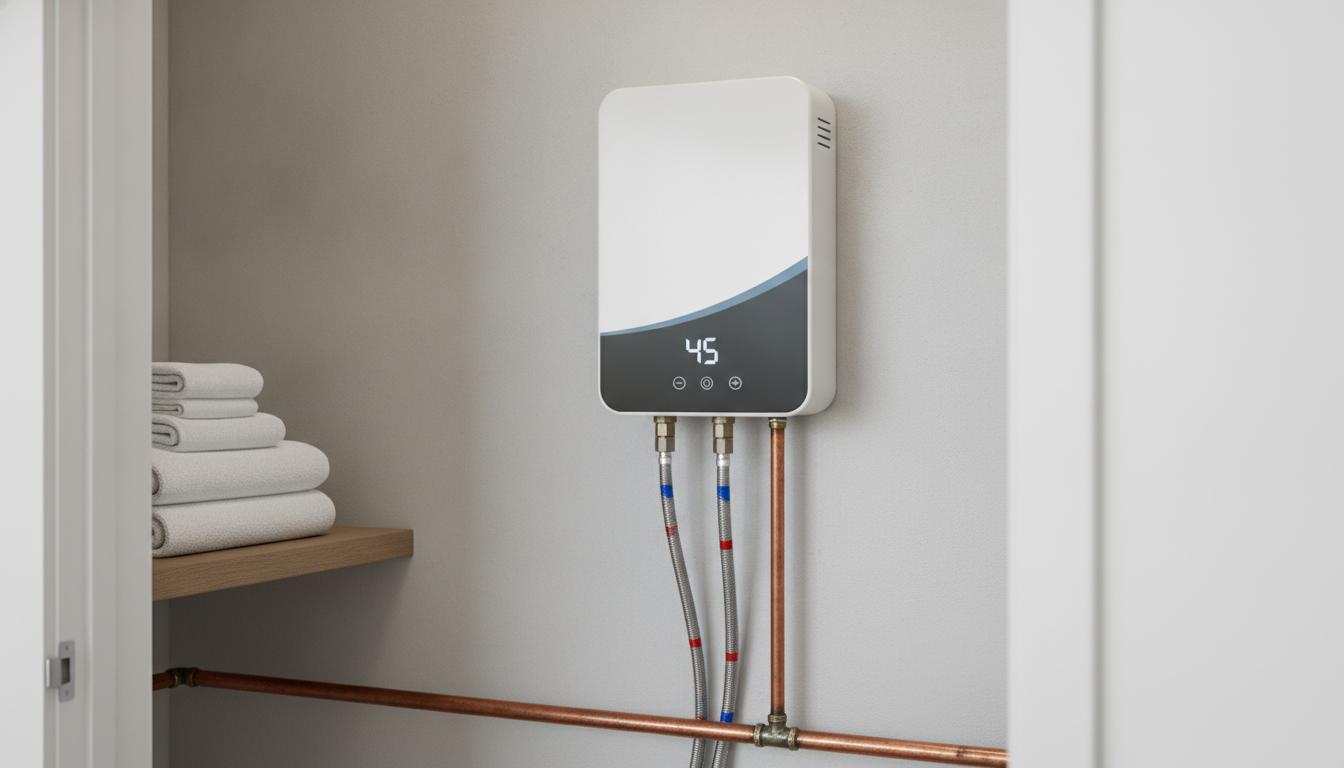
Are whole house electric tankless water heaters worth it?
Whole house electric tankless water heaters can be worth it when your home’s hot-water demand matches what an electric unit can realistically deliver and your electrical system can support it. They shine for smaller households, moderate climates, and homes that don’t need multiple high-flow hot-water uses at the same time. In those situations, the benefits—endless hot water for normal use, space savings, and no standby tank losses—can outweigh the higher upfront cost.
Where they often fall short is peak demand. If you regularly run a shower, dishwasher, and laundry simultaneously, an electric tankless may struggle to maintain temperature unless it’s very large (and expensive) or you install multiple units. Larger electric models also commonly require significant amperage and multiple breakers, so the “worth it” question frequently comes down to the cost and complexity of an electrical service upgrade.
What you gain with a whole house electric tankless
Electric tankless units heat water on demand, so you don’t pay to keep dozens of gallons hot all day. You also reclaim floor space, which can be valuable in tight utility rooms. Many homeowners like the steady supply for back-to-back showers, and the lack of a storage tank reduces risk of tank leaks.
What can make them not worth it
The biggest deal-breaker is electrical capacity. A true whole house electric tankless can require 120–150+ amps (or more) depending on model and desired flow rate, which may mean a panel or service upgrade. In colder incoming-water regions, the unit has to work harder, reducing gallons per minute and making simultaneous use harder to support. Upfront equipment and installation costs can also be higher than a standard tank, so payback depends on energy rates and usage patterns.
How to decide for your home
Start with how many hot-water fixtures run at once and your typical flow rates. Next, confirm your incoming water temperature and check your electrical panel capacity. If you’re on the edge, a hybrid approach—like point-of-use heaters for distant bathrooms or a smaller tankless paired with a small buffer tank—may deliver better comfort for the money.
For deeper comparisons, sizing tips, and cost considerations, see the full guide: https://lirete.com/are-whole-house-electric-tankless-water-heaters-worth-it/.
FAQ
How much electrical power does a whole house electric tankless water heater need?
Many whole house electric tankless models require multiple double-pole breakers and a high total amperage, sometimes exceeding what a 150A panel can comfortably support. Verifying panel space, service size, and wire gauge is essential before buying.













Leave a comment