Square Toe Heels Comfort: Fit, Height & Support Tips
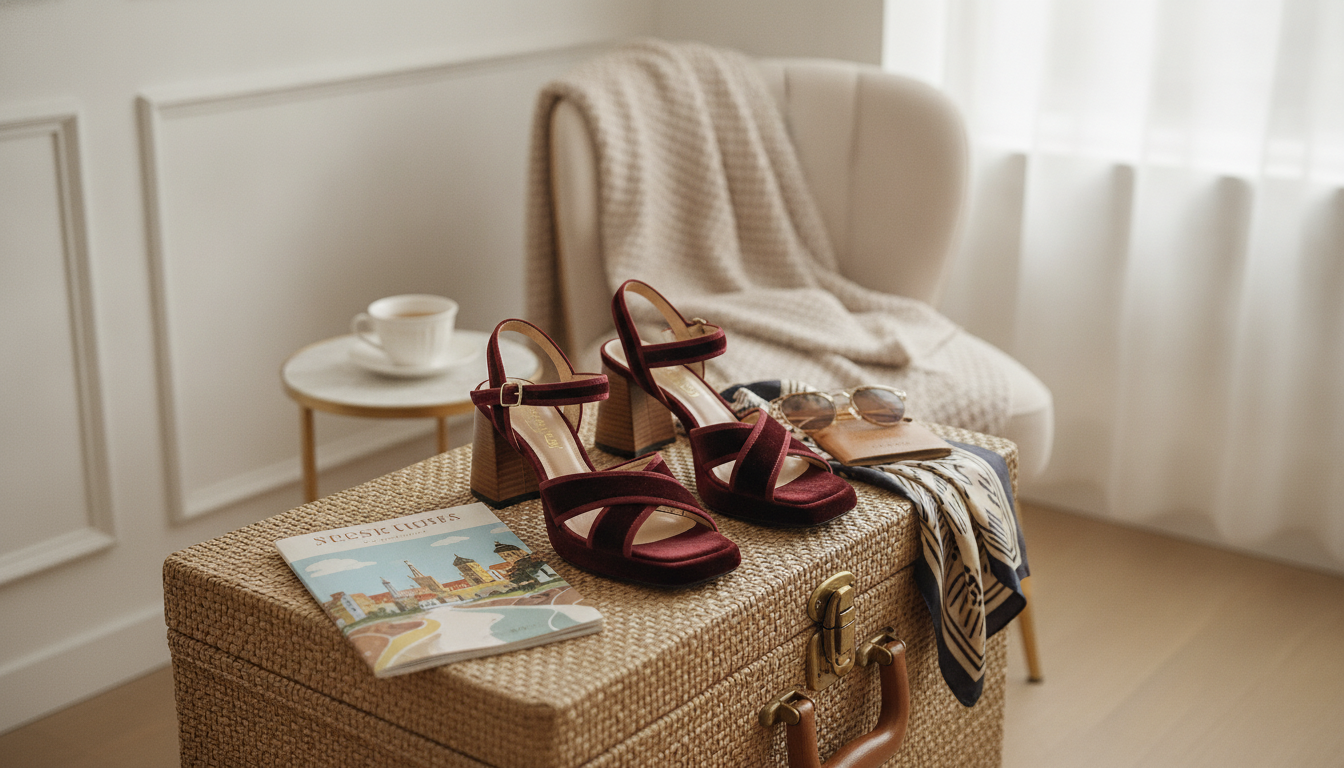
Are square toe heels comfortable?
Square toe heels can be very comfortable, especially compared to pointy-toe styles, because the wider toe box gives your toes more room to spread out naturally. That extra space can reduce pressure on the big toe and pinky toe, which is often where pinching and rubbing start during a long night out.
Comfort still depends on the full design of the shoe—not just the shape of the toe. A square toe paired with a stable heel (like a block or square heel), a cushioned footbed, and a secure upper can feel noticeably easier to walk in than a slim stiletto with minimal support. If the heel is centered well under the heel bone and the shoe doesn’t force your foot forward, you’ll usually feel less forefoot fatigue.
What makes square toe heels feel better (or worse)?
Fit is the deal-breaker. If the vamp (the part over the top of your foot) is tight, your foot may still slide forward and load pressure onto the ball of the foot—even with a roomy toe. Materials matter too: softer fabrics and linings tend to break in faster, while stiff uppers can create hot spots along the edges of the square toe.
Heel height also plays a major role. A lower-to-mid heel generally keeps your weight more evenly distributed, while very high heels tilt you forward and can make any toe shape feel less forgiving. If you plan to wear them for hours, look for a comfortable pitch (the angle between the heel and the forefoot) and some padding under the ball of the foot.
How to choose a comfortable pair
Start with your true size, then pay attention to width and toe space when standing. Your toes shouldn’t hit the front edge, and you shouldn’t feel squeezing on the sides. For sandals, adjustable straps can help fine-tune fit and reduce sliding. For a style-forward option that still considers wearability, see the fit and styling notes in this guide: velvet peep-toe square heel sandals for nights out.
FAQ
Do square toe heels run true to size?
Many do, but the toe shape can make them feel roomier than expected. If you’re between sizes or have narrow feet, sizing down or choosing adjustable straps can help prevent sliding.














Leave a comment