Dog Stair Lifts Safety: Risks, Features, and Tips
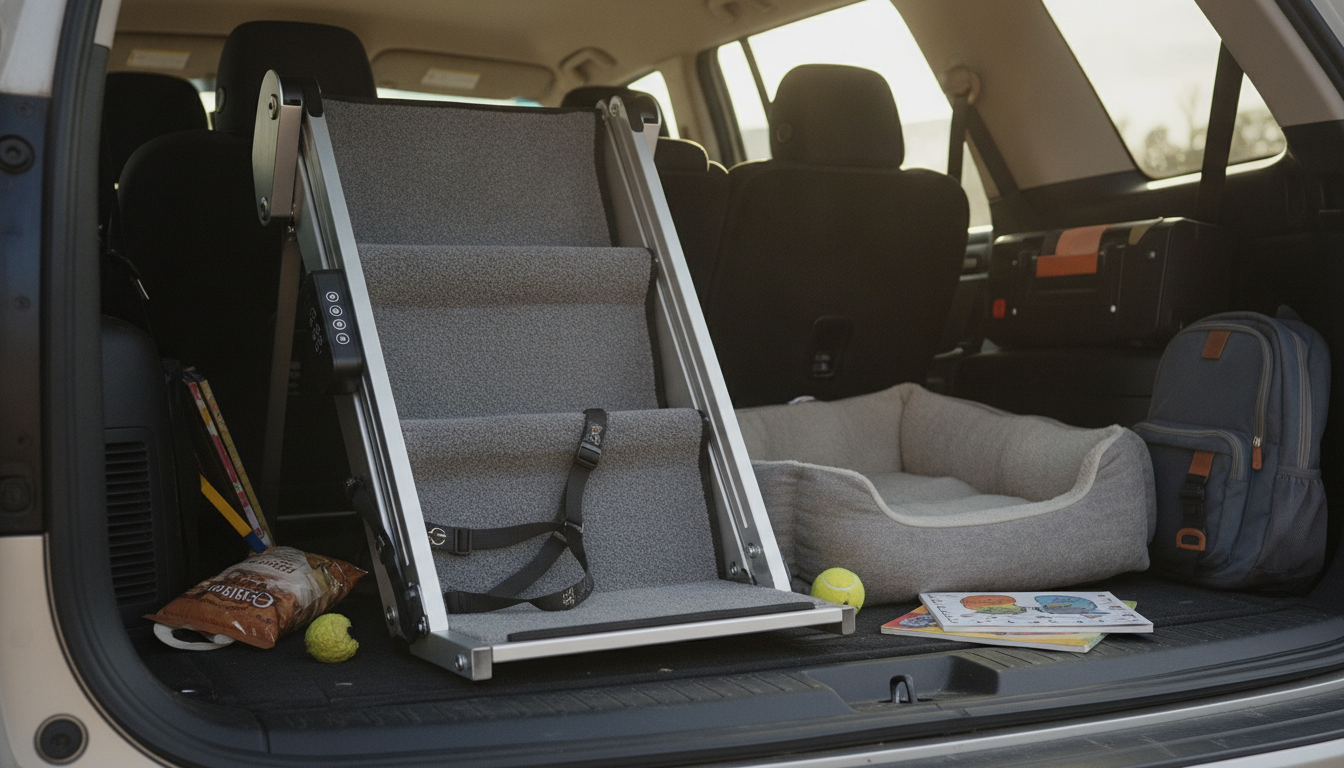
Are dog stair lifts safe for dogs?
Dog stair lifts can be safe for many dogs when the unit is stable, the step height matches your dog’s stride, and the surface provides solid traction. The biggest risks usually come from wobbling frames, slick treads, and steps that are too tall or too narrow—issues that can cause slips, hesitant jumping, or awkward twisting.
Safety also depends on why your dog needs help getting up or down. For seniors or dogs recovering from injury, a well-designed set of steps can reduce impact compared with repeated jumping. For dogs that are extremely fearful, very uncoordinated, or dealing with certain spine or neurologic conditions, steps may still be risky without veterinary guidance and a slower training approach.
What makes a stair lift safer?
Look for wide, deep steps so paws can fully land, plus a non-slip surface (textured tread or carpeted grip) that won’t bunch up. A strong base with rubber feet helps prevent sliding on hardwood or tile. If your dog tends to move quickly, higher side rails or bolsters can reduce the chance of stepping off the edge.
Stability matters more than weight rating alone. Even if a product supports your dog’s weight, it’s not safe if it flexes, rocks, or shifts when your dog steps on the first tread.
How to reduce accidents during use
Place the steps flush against the furniture so there’s no gap to “jump.” Start with short, positive training sessions: lure with a treat, go one step at a time, and reward calm movement. Keep nails trimmed and paw pads tidy for better traction. If your dog rushes, consider using a leash during early practice and block off the sides so the path is obvious.
When to skip steps and choose another option
If your dog shows pain, refuses to bear weight, or has a history of back problems, consult a veterinarian before introducing any stairs or ramps. Some dogs do better with a ramp (less joint flexion) or with limiting access to high furniture altogether.
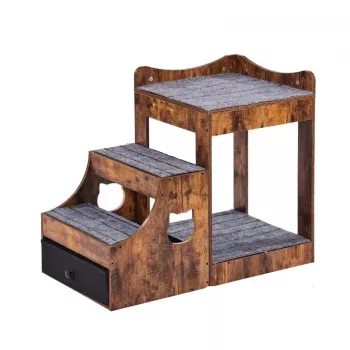
For more details on choosing stable, non-slip pet stairs and how to set them up in a home layout, see this guide to pet bunk bed stairs and safe placement.
FAQ
Do vets recommend dog stair lifts?
Vets often recommend steps or ramps when they can reduce repeated jumping and joint impact, especially for seniors or dogs with mobility limits. The best option depends on your dog’s diagnosis, gait, and comfort, so it’s smart to ask your vet which style and incline/step height is appropriate.















Leave a comment