Flat MTB Pedal Benefits: Control, Confidence, and Skill
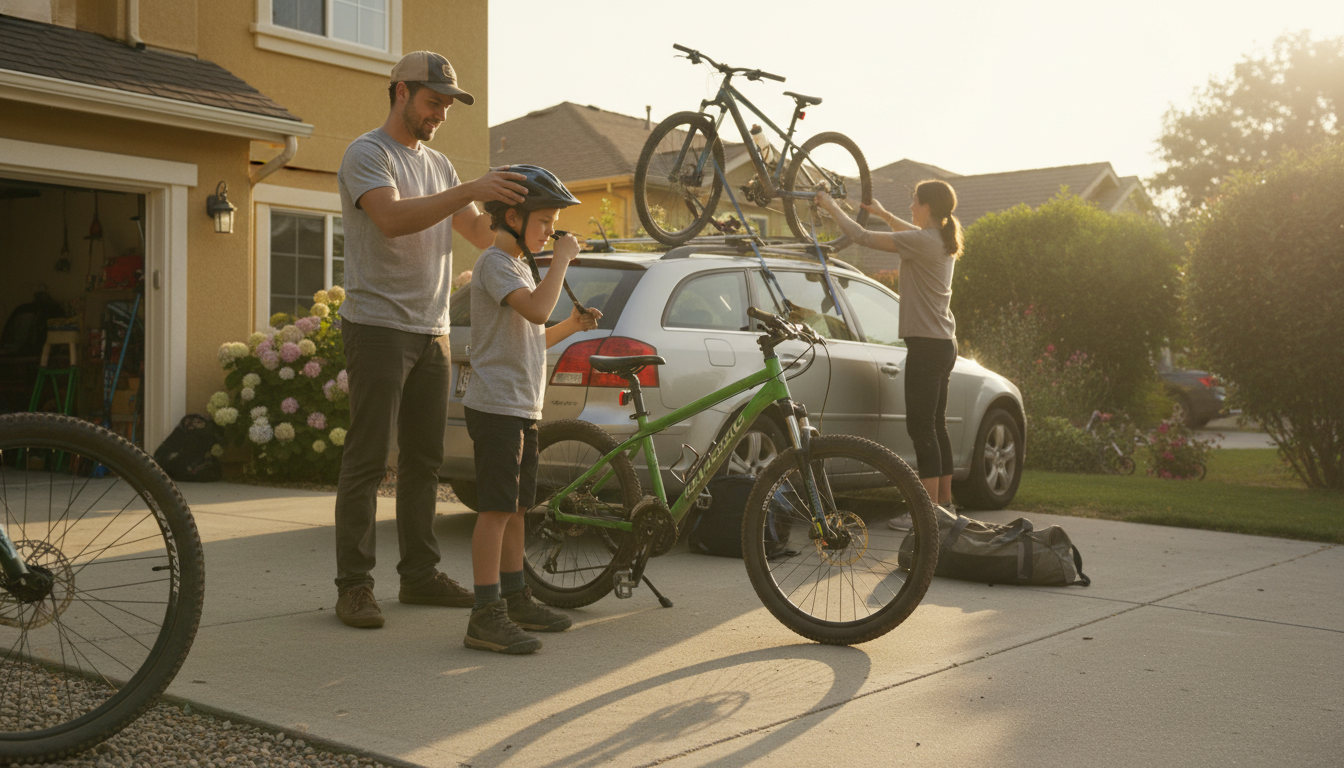
What are the benefits of flat MTB pedals?
Flat MTB pedals are popular because they make riding feel natural, predictable, and easy to adjust on the fly. Whether you’re dialing in new trails, practicing skills, or just prefer a simpler setup, flats can deliver a confident ride with fewer barriers to getting started.
Quick foot placement and instant exits
With flat pedals, you can put a foot down immediately in sketchy moments—tight switchbacks, loose corners, steep roll-ins, or slow technical climbs. That quick “dab” can prevent a tip-over and helps many riders feel more relaxed when trails get unpredictable.
Better mobility for technique and balance
Flats encourage active riding: weighting and unweighting the bike, shifting stance, and finding the best foot position for the terrain. Because you’re not attached to the pedal, it’s easier to reposition your feet mid-run and fine-tune body placement through rock gardens, roots, and jumps.
Confidence for learning and progression
Many riders choose flats when learning manuals, bunny hops, drops, and cornering because the ability to bail quickly can reduce hesitation. Good flat shoes and quality pins create strong grip, letting you develop proper technique without relying on being clipped in.
Simplicity, durability, and low-fuss maintenance
Flat pedals have fewer engagement parts to manage than clipless systems, and they’re easy to hop on with almost any shoe in a pinch. Many MTB flats also use sealed bearings for smoother spinning and better longevity in mud, rain, and dusty conditions.
Great for mixed riding and casual use
If rides include commuting, pump tracks, trail loops, or quick sessions where changing shoes is a hassle, flats are convenient. They’re also a solid choice for riders who share bikes or want a setup that feels straightforward every time.
For a deeper comparison of flat vs. clipless and what to look for in modern designs, see the full guide here: https://lirete.com/guide-2-in-1-mtb-pedals-sealed-bearings-clipless-flat/.
FAQ
Are flat pedals better for the knees?
They can be, especially for riders who feel “locked in” on clipless pedals. Flats let your feet naturally find a comfortable angle and stance width, which may reduce knee strain for some riders, though bike fit and footwear still matter.















Leave a comment