Tandem Sliding Doors Explained: How They Work
What is a tandem sliding door?
A tandem sliding door is a sliding-door setup where two door panels move on separate but closely aligned tracks so they can “stack” behind one another when opened. Instead of each panel having to stay in its own lane the entire time, a tandem system is designed so the panels coordinate their travel, letting one panel pass into a parked position directly behind the other. The result is a wider, cleaner opening with less visual clutter than some multi-panel sliding arrangements.
How a tandem sliding door works
Most tandem systems use two panels, rollers, and a track (or track set) engineered to guide each panel into a nested position. When you slide one panel, it moves smoothly along its track; the second panel can slide and end up directly behind the first, minimizing the footprint of the open doors. Depending on the design, the panels may overlap in the center when closed, then compress to one side when opened.
Why people choose tandem sliding doors
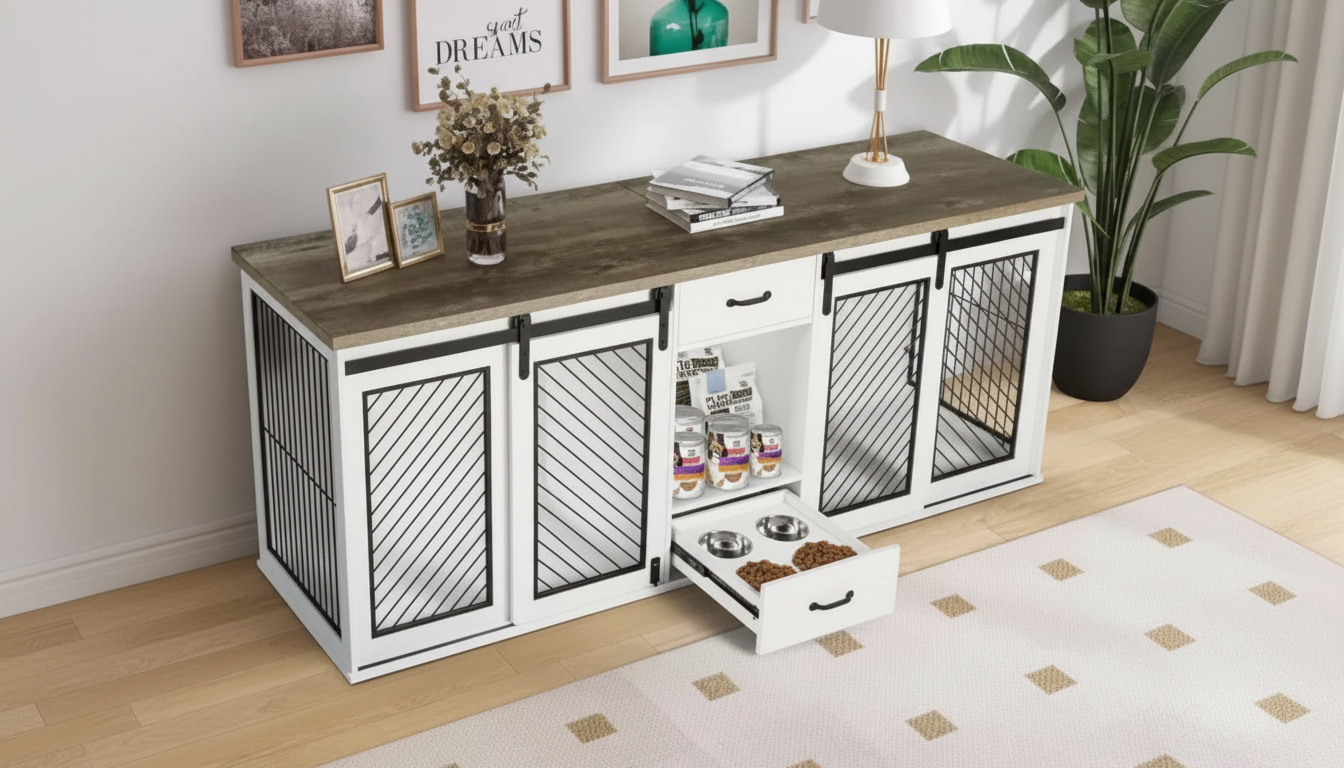
Tandem sliding doors are often chosen for furniture-style enclosures, cabinets, and built-ins where space in front of the unit is limited. Because the doors glide instead of swinging outward, they help keep walkways clear. The tandem “stacking” action can also make the opening feel less divided by door frames, improving access for placing or removing items.
What to look for in a tandem sliding door design
Focus on the track quality, roller smoothness, and how securely the doors align when closed. A good tandem system should slide without wobble, resist sticking, and keep panels from rubbing. Also check whether the handle placement allows easy gripping without interfering with the panel that stacks behind it.
For a practical example of how sliding doors are used in large furniture-style enclosures, see this guide to an 85-inch sliding-door double crate furniture piece.
FAQ
What’s the difference between tandem sliding doors and bypass sliding doors?
Bypass doors typically slide on parallel tracks and remain offset, so one panel is always in front of the other. Tandem sliding doors are designed to nest more tightly when opened, so the panels “stack” with a slimmer, more consolidated open-door position.











Leave a comment