Smart Sonic Toothbrush: 6 Modes, 8 Heads, Better Habits
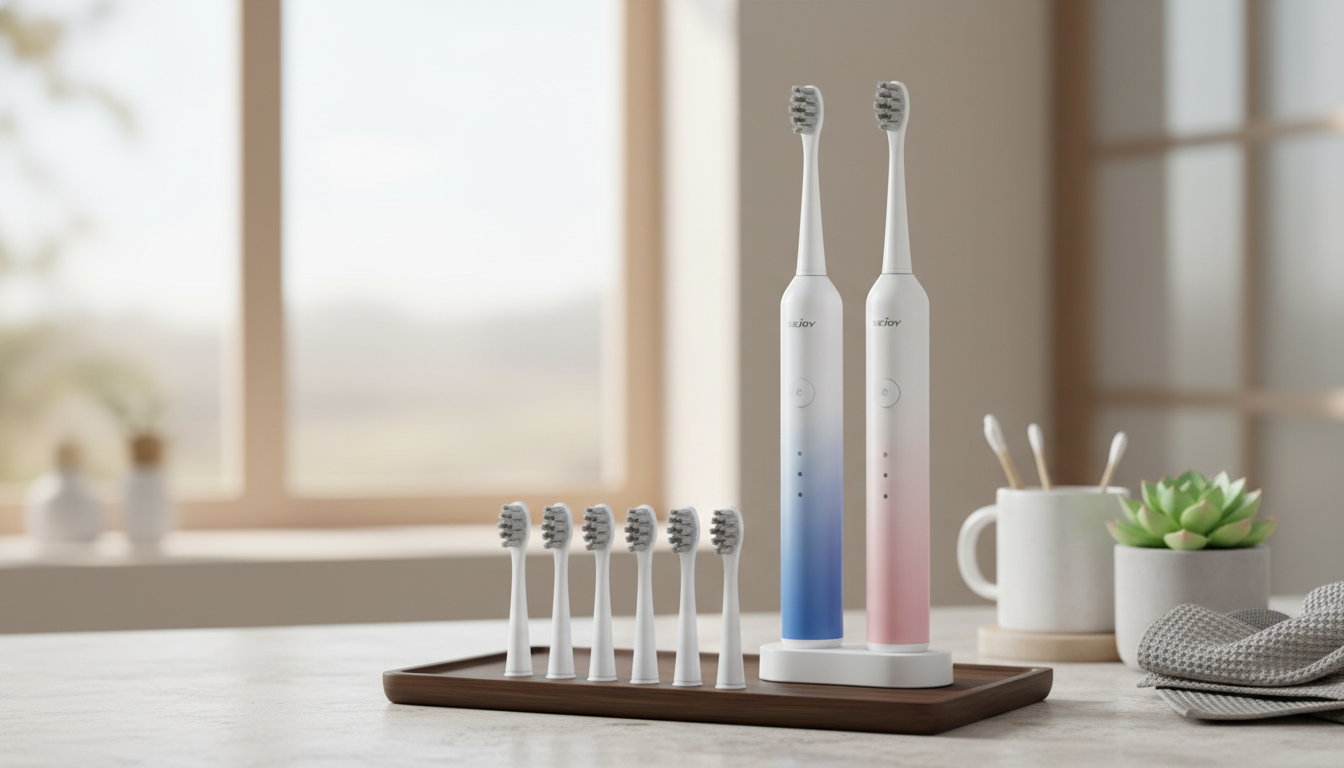
Smart Sonic Brushing, Made Simple
A smart sonic toothbrush can make daily brushing more consistent by combining timed sessions, multiple cleaning modes, and a steady supply of replacement heads. The Smart Sonic Electric Toothbrush with 8 Heads & 6 Cleaning Modes pairs six modes with eight included heads, aiming to cover everyday cleaning, gum care, and more focused polishing—without adding complicated setup. If a routine tends to slip on busy mornings or late nights, a handle that supports steady technique (rather than relying on willpower alone) can make a noticeable difference over time.
What Makes a Smart Sonic Toothbrush Different
Sonic toothbrushes rely on rapid brush movement to help lift plaque along the gumline and between teeth compared with a manual brushing motion. The goal isn’t to scrub harder—it’s to guide the bristles slowly from tooth to tooth while the brush does the work.
- Sonic action support: Fast bristle movement helps disrupt plaque where it tends to cling, especially near the gumline.
- Mode selection: Different modes can match intensity and feel to the moment—daily cleaning vs. gentler gum care, for example.
- Built-in timing help: Timed sessions encourage a full brushing cycle and more balanced attention across the mouth.
- Replacement heads: Fresh heads support hygiene and performance over time, especially when swapped on schedule.
For general brushing technique guidance, the American Dental Association offers practical recommendations on both brush choice and brushing method (ADA: Toothbrushes; ADA: Brushing your teeth).
What Comes with This Set
- Electric toothbrush handle designed for sonic cleaning
- Eight brush heads included for easier rotation and planned replacement
- Six cleaning modes for different comfort levels and goals
- Practical for a primary home toothbrush, a backup for a guest bath, or a travel-friendly option depending on charging and storage preferences
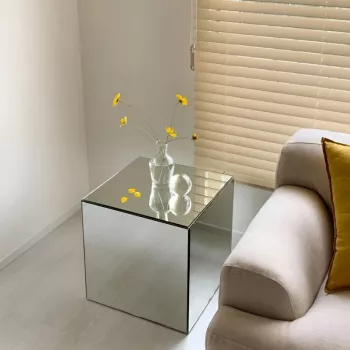
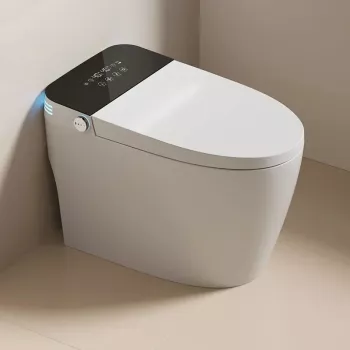
If you’re also refreshing your bathroom setup, pairing daily-care tools with a cleaner, more organized counter can help habits stick. A compact surface like the Minimalist Acrylic Side Table can work as an extra landing spot for toiletries in tight spaces, and a higher-tech upgrade like the Smart Toilet with Auto Open and Flush, Heated Seat, Bidet, and Intelligent Features can complement a more hygiene-forward routine.
Six Cleaning Modes: How to Use Each One
Modes are most helpful when they’re used with a consistent technique: light pressure, slow movement, and brief pauses at the gumline. Here’s how each option typically fits into a weekly routine.
- Daily clean: A general-purpose option for twice-daily brushing.
- Sensitive: A gentler feel for tender gums or easing into electric brushing.
- Gum care/massage: Focuses on comfort near the gumline; use light pressure and let the bristles do the work.
- White/polish: Targets surface stain polishing; avoid aggressive pressure.
- Deep clean: Helpful when a stronger clean feels useful after meals; keep the brush moving tooth-to-tooth.
- Tongue/soft mode (if available on the unit): Short passes to freshen breath; rinse thoroughly afterward.
Mode Guide for Common Brushing Goals
| Mode | Best for | How often | Tip for comfort |
|---|---|---|---|
| Daily Clean | Everyday plaque removal | 2x per day | Use light pressure; pause briefly at the gumline |
| Sensitive | Tender gums or first-time users | As needed | Start here for a week, then adjust intensity |
| Gum Care/Massage | Gumline comfort and stimulation | Several times per week | Angle bristles slightly toward the gumline |
| White/Polish | Surface stain polishing | 1–3x per week | Avoid pressing hard; keep it moving |
| Deep Clean | Extra focus after meals | As needed | Slow down and guide tooth by tooth |
| Tongue/Soft | Breath-freshening routine | Daily or as needed | Use short, gentle strokes; rinse head well |
Brushing Routine That Gets the Most from Sonic Cleaning
A sonic toothbrush rewards a “guided glide” approach more than a back-and-forth scrub. A consistent routine also makes it easier to notice if gum tenderness or sensitivity is improving over time.
- Start on the tooth first: Place bristles on the tooth surface, then turn the brush on to reduce splatter.
- Use zones: Divide the mouth into four zones and spend equal time in each so back molars don’t get rushed.
- Light grip, light pressure: Let the movement do the cleaning; scrubbing can irritate gums and wear bristles faster.
- Angle slightly toward the gumline: This helps clean where plaque tends to collect—right at the tooth-gum border.
- Rinse and air-dry: Rinse the head, shake out water, and store upright so it can dry between uses.
For additional everyday oral care pointers, the NHS shares a clear checklist of habits that support cleaner teeth and healthier gums (NHS: How to keep your teeth clean).
Brush Heads: Replacement Timing and Hygiene
Brush heads do more than “look worn.” When bristles flare or lose their spring, they don’t reach and sweep as effectively—and they can feel harsher on gums. Having extras ready makes it easier to stay on schedule.
Who This Toothbrush Set Fits Best
Quick Checks Before Buying
FAQ
How often should the brush head be replaced?
Common guidance is about every 3 months, or sooner if bristles splay, feel sharp, or if you’re replacing it after an illness. Worn bristles generally clean less effectively and can feel rougher on gums.
Is a sonic toothbrush safe for sensitive gums?
Often yes when used with a gentle mode, soft bristles, and light pressure. If bleeding, pain, or sensitivity persists, it’s a good idea to check in with a dentist to confirm technique and rule out gum issues.
Do whitening modes actually whiten teeth?
They typically help polish away some surface staining from foods and drinks. They don’t change natural tooth shade the way professional whitening or peroxide-based products can.













Leave a comment