Backless Sports Romper: Breathable One-Piece Yoga Fit
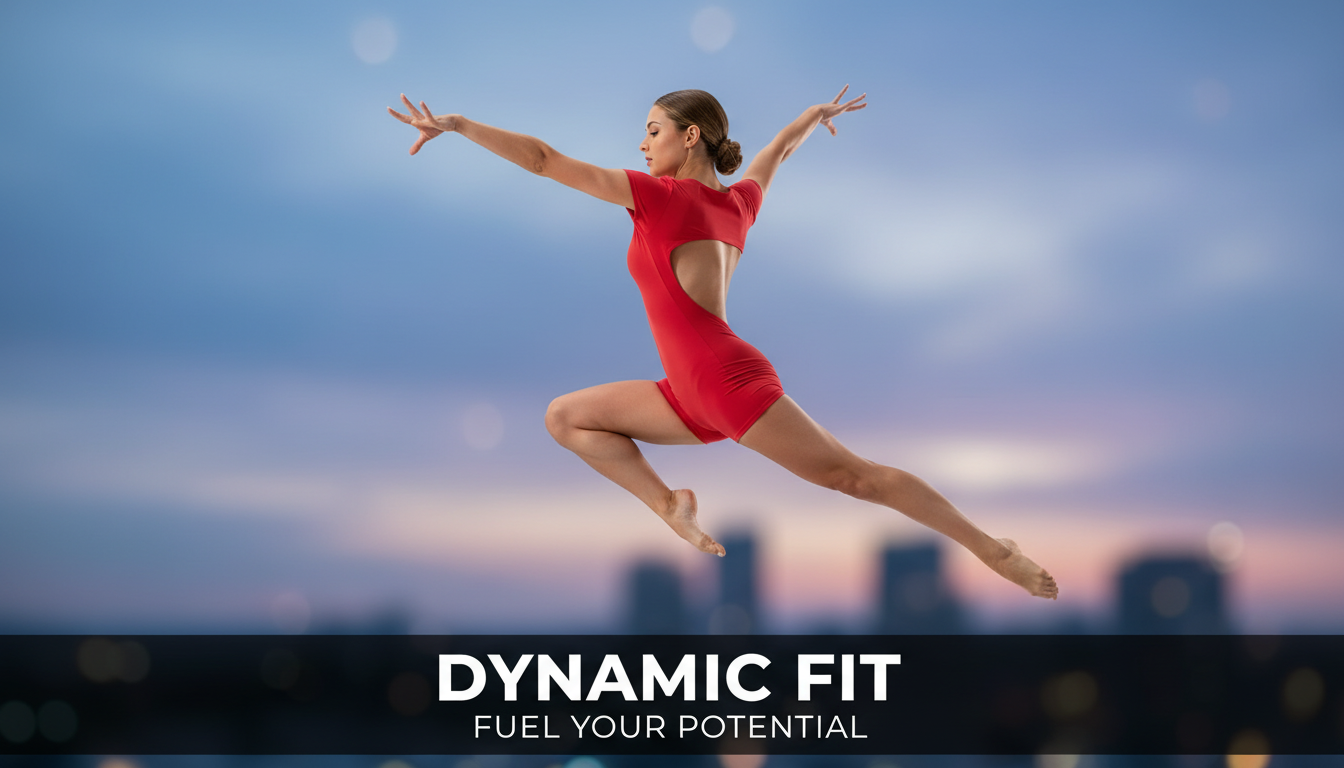
Sexy Backless Women’s Sports Romper: breathable confidence in a one-piece
A backless sports romper brings together performance support and a confident, minimal silhouette. With a one-piece design, there’s less outfit fuss—no waistband rolling, no top riding up—while breathable fabric and a close-to-body fit can feel secure through yoga flows, pilates, light strength sessions, or warm-weather walks. The key is choosing a romper that feels good against skin, moves with you, stays opaque in deep bends, and manages sweat without turning clammy.
What makes a backless sports romper work for training
The best backless workout rompers are built around “stay-put” comfort—so you can focus on form instead of adjusting. Since the top and bottom are connected, the fit can remain more consistent through transitions like lunges, folds, twists, and bridges.
- One-piece construction: Helps reduce shifting during movement, especially when you’re moving between standing poses and mat work.
- Backless ventilation: An open back can increase airflow and reduce fabric bulk across the shoulder blades—handy when practice heats up.
- Stretch plus recovery: Look for fabric that expands easily but “snaps back” so it doesn’t sag at the hips or seat after a few sets.
- Coverage checkpoints: Do quick tests for opacity and security in a forward fold, deep squat, and wide-stance position.
- Comfort details: Smooth seams, a non-scratchy interior, and a neckline that doesn’t dig become especially important during inversions or long holds.
Fabric and breathability: staying comfortable when the pace picks up
Breathability is a combination of fiber, knit structure, and fit. Even a snug romper can feel airy if it moves moisture off the skin efficiently. If you’re doing hot yoga, a spin warm-up before strength training, or outdoor sessions in summer, prioritize quick-drying performance fabric so sweat doesn’t linger.
The backless cut can help release heat, but don’t overlook the front panel: it should still feel supportive and not overly thin when stretched. For many people, the make-or-break areas are armholes, inner thighs, and the neckline—places where rough stitching can create irritation on longer wear.
For workout clothing longevity, good care matters. In general, cold washes, gentle cycles, mild detergent, and air drying help preserve stretch and shape; skip fabric softeners when possible since they can interfere with moisture-wicking finishes.
Quick checklist for comfort and performance
| Feature | Why it matters | How to test at home |
|---|---|---|
| Breathable feel | Helps reduce overheating and sweat pooling | Wear for 10–15 minutes indoors; note heat buildup at chest/waist |
| Stretch + rebound | Prevents bagging at knees/seat | Do 10 squats; check if fabric springs back without wrinkles |
| Opacity | Maintains coverage in bends | Try a deep squat near a window or bright light; check for sheerness |
| Seam comfort | Reduces irritation on long wear | Move arms overhead and do a forward fold; feel for digging or rubbing |
| Secure neckline/straps | Supports movement without shifting | Do a few sun salutations; ensure no slipping or gaping |
Fit, support, and movement: getting the right feel
With a backless one-piece, fit is everything—especially through the torso. A torso that’s too short can pull at the shoulders and increase neckline pressure, while a torso that’s too long can wrinkle at the waist and feel less secure in movement.
- Support level: Compression and front-panel structure determine how supported you feel. For higher-impact workouts, layering a low-profile sports bra under a backless style can add stability without changing the look too much.
- Leg opening comfort: A hem that pinches can make wide stances distracting, while a loose opening can ride up during walking.
- Range of motion: Lunges, warrior poses, and bridges should feel unrestricted through hips and upper back.
- Between sizes: Choose a closer fit for studio practice and a slightly more relaxed feel for all-day errands—then confirm with movement tests.
For general training safety and comfort, it also helps to keep workout basics in mind—warm up, progress gradually, and pick appropriate intensity for the day. The Mayo Clinic’s overview of exercise fundamentals is a helpful refresher: Mayo Clinic: Exercise basics.
Coverage and confidence for yoga, pilates, and light training
A romper can be a strong choice for yoga and pilates because it minimizes shifting fabric during transitions—when the fit is right. The confidence piece comes down to testing how the fabric behaves under stretch and whether the backless cut stays aligned without sliding.
Hydration can also influence how comfortable you feel during warmer sessions (less fatigue, better temperature regulation). The American College of Sports Medicine has practical hydration guidance here: ACSM: Selecting and Effectively Using Hydration for Fitness.
Styling: studio-to-street ways to wear a backless romper
Product spotlight: Sexy Backless Women’s Sports Romper – Breathable One-Piece Yoga Jumpsuit
More in-stock picks to complete the vibe
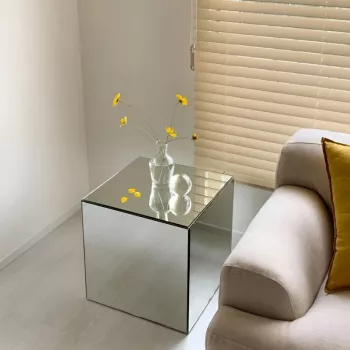
- Minimalist Acrylic Side Table — a clean, modern piece for a water bottle, towel, or post-workout candle by your mat space.
- Modern Gold Stainless Steel Coffee Table — a statement table that elevates a living-room stretch corner or lounge area.
FAQ
Can a backless sports romper be worn without a sports bra?
It depends on the front-panel support and your comfort level. Test with a few jumps and sun salutations; if you notice shifting or want more lift, layer a smooth, low-profile sports bra underneath.
Is a one-piece romper practical for yoga and pilates?
Yes—one-piece construction can reduce waistband rolling and top shifting during transitions. The best results come from choosing the right torso length, checking opacity in deep bends, and making sure seams feel smooth during mat work.
How should a breathable workout romper be washed to keep its stretch?
Wash cold on a gentle cycle with mild detergent, avoid fabric softeners, and air dry when possible. If the item includes a care label, follow those instructions to preserve elasticity and shape.












Leave a comment