Smart Cervical Massage Pillow: Heat + Neck Relief Guide
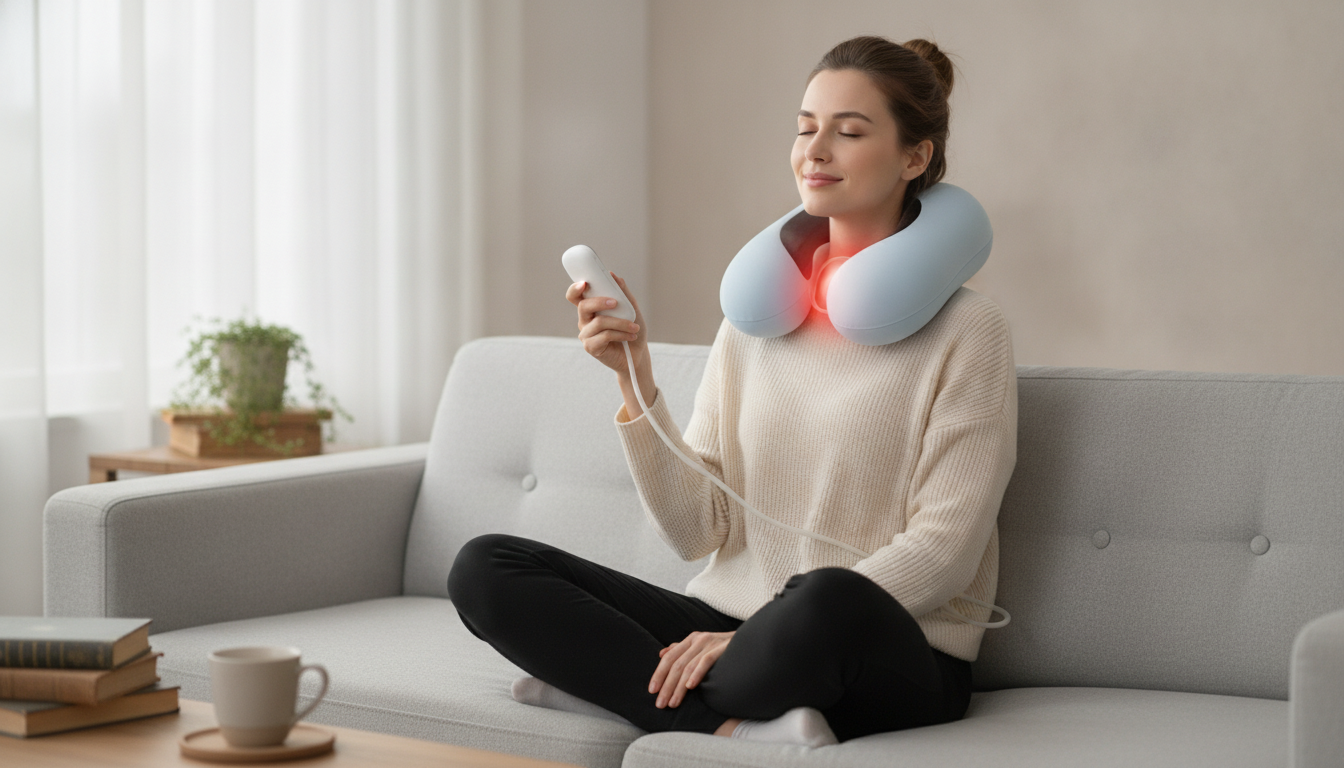
Smart Cervical Massage Pillow for Neck & Shoulder Pain Relief: Comfort, Heat, and Daily Recovery
Neck and shoulder tension tends to creep in quietly—then suddenly it feels like your head won’t turn all the way, your shoulders ride up toward your ears, and even simple tasks feel “stiff.” Desk posture, long drives, and stress can all contribute to that locked-up sensation, sometimes paired with headaches or a reduced range of motion. A smart cervical massage pillow is built to support the natural curve of the neck while delivering targeted kneading and optional heat, making it easier to keep a short, consistent recovery routine at home.
Why neck and shoulder pain feels “stuck”
Many people notice that neck tightness doesn’t just hurt—it feels fixed in place. Common contributors include forward-head posture, prolonged screen time, awkward sleep position, stress-related muscle guarding, and repetitive lifting or carrying.
When the upper trapezius and levator scapulae stay tense, discomfort can “refer” outward—up toward the base of the skull, behind the shoulder blade, or even down the upper arm. That referral pattern can make it hard to pinpoint where the tension is actually coming from.
Gentle heat plus rhythmic pressure often helps reduce the sensation of tightness by encouraging relaxation and local circulation. For more on common causes and when to take symptoms seriously, see Mayo Clinic’s overview of neck pain and the NIAMS (NIH) guide to back and neck pain.
Red flags that call for medical advice: recent trauma, fever, unexplained weight loss, numbness or weakness, worsening radiating pain, or pain that doesn’t improve over time.
What a smart cervical massage pillow does differently
Unlike a flat cushion or a general massager, a cervical massage pillow aims to combine support and targeted relief in one setup:
- Cervical contouring: helps maintain the neck’s natural curve so the surrounding muscles can let go rather than “hold you up.”
- Kneading-style nodes: apply alternating pressure to common tension points at the base of the skull and into the upper shoulders.
- Heat option: adds soothing warmth that can make massage feel less sharp and more calming.
- Timed sessions: encourages short routines and helps prevent overdoing it on sensitive days.
- Portable use: works well on a sofa, recliner, or office chair, and during travel breaks (when safe and stationary).
Quick guide to features and who they help
| Feature | What it’s for | Helpful for |
|---|---|---|
| Cervical support shape | Maintains a neutral neck curve | Desk posture fatigue, stiffness after sleep |
| Kneading massage nodes | Targets tight muscles with rhythmic pressure | Upper neck tension, shoulder tightness |
| Heat mode | Adds warmth to relax tissues | Cold-stiff mornings, stress-related tightness |
| Auto shut-off timer | Limits session length and overuse | Daily routines, sensitive users |
| Adjustable intensity/positioning | Customizes pressure and coverage | Different body sizes, targeted relief needs |
Smart Cervical Massage Pillow for Neck & Shoulder Pain Relief: highlights
If most of your discomfort feels muscular—tightness, stiffness, and that end-of-day “loaded shoulders” feeling—this type of pillow can be a practical add-on to your recovery routine.
- Designed for neck-and-shoulder comfort with supportive cervical shaping and integrated massage.
- Useful for short decompression sessions after work, workouts, or travel.
- Pairs well with simple mobility work right after use: slow neck rotations, chin tucks, and shoulder blade squeezes.
- Best results usually come from consistency (brief sessions) rather than high intensity.
For a dedicated option, see Smart Cervical Massage Pillow for Neck & Shoulder Pain Relief.
How to use it for better results (and fewer flare-ups)
- Start low and short: Begin on the lowest intensity for 10–15 minutes to gauge sensitivity and avoid next-day soreness.
- Positioning tip: Place the pillow so the nodes sit under the base of the skull or into the upper trapezius—not directly on the front/side of the neck.
- Use heat strategically: Heat can help when tightness feels guarded or stress-driven; skip heat if swelling or acute inflammation is suspected.
- Breathe slowly: Exhale longer than you inhale to reduce muscle guarding. The more you tense against the massage, the less benefit you’ll feel.
- Stay safe: Avoid using it while driving or in any situation where drowsiness or distraction could be unsafe.
Who it’s best for (and who should be cautious)
A smart cervical massage pillow is often a good fit for desk workers, gamers, frequent travelers, and anyone who deals with recurring muscular tightness in the neck and shoulders.
Use extra caution or seek clinician guidance first if any of the following apply: pregnancy, bleeding disorders, severe osteoporosis, recent surgery, or anticoagulant medication use. Avoid strong pressure over the front of the neck (carotid area) and avoid any area with reduced sensation.
If pain comes with tingling, numbness, weakness, or significant radiating arm pain, a clinical evaluation is a smarter first step than self-massage.
People managing joint conditions may also prefer gentler work around the area. The Arthritis Foundation’s guidance on massage offers helpful context on comfort-focused approaches.
Simple daily plan: combine massage with posture habits
If you like setting up a dedicated “recovery corner,” a stable surface nearby can help keep water, a timer, or a book within reach between sessions. Options include the Minimalist Acrylic Side Table or the Modern Gold Stainless Steel Coffee Table.
FAQ
Will a neck massage help arthritis?
Massage may help reduce muscle tension around stiff joints and improve comfort, but it doesn’t treat the underlying arthritis. Use gentle pressure and heat if it feels soothing, avoid aggressive kneading over painful joints, and consult a clinician if symptoms flare, swelling is present, or pain is worsening.
What type of massage is best for the cervical spine?
Gentle techniques focused on surrounding muscles (upper traps, suboccipitals, levator scapulae) are typically preferred over forceful pressure directly on the spine. Kneading on muscular areas plus optional heat can be comfortable; avoid high intensity, front-of-neck pressure, and any maneuver that reproduces sharp or radiating pain.













Leave a comment