Who Makes Wooden Animal Figurines? Makers & Materials
Who makes wooden animals figurines?
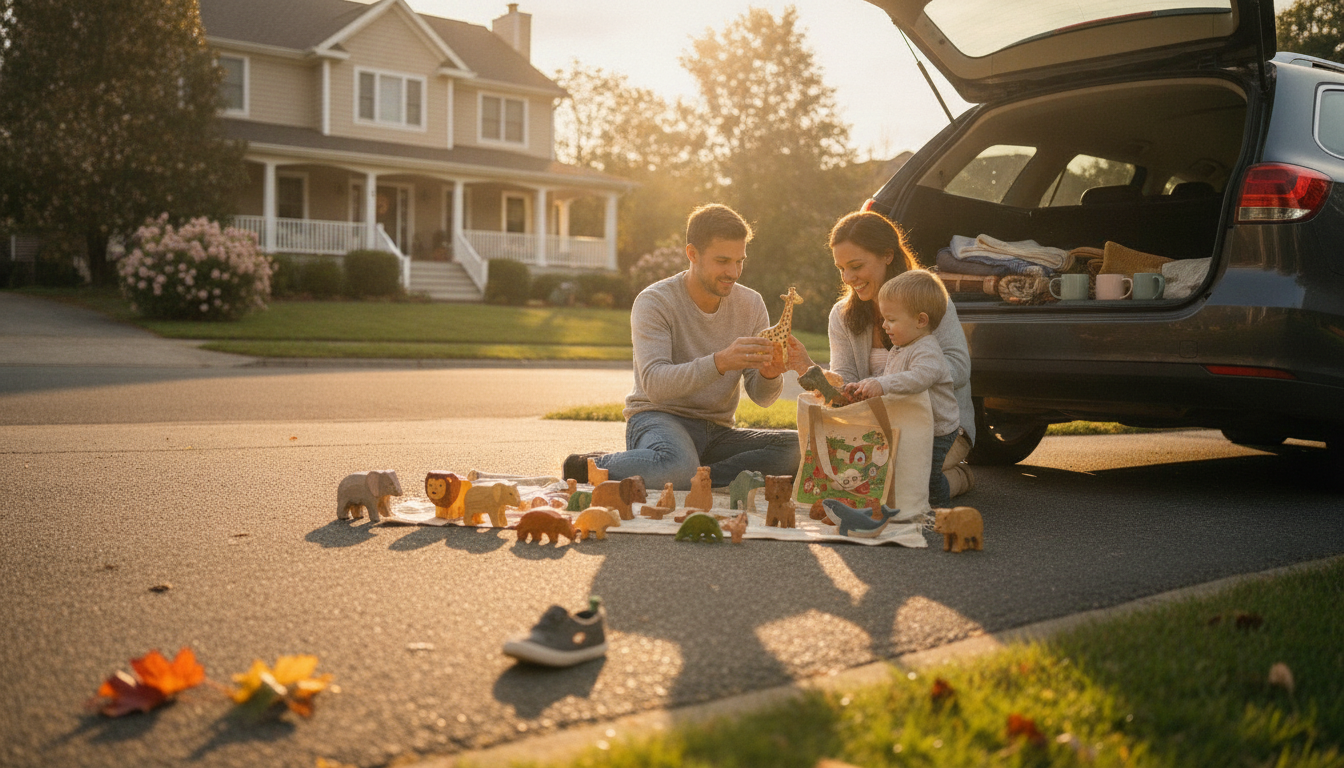
Wooden animal figurines are made by a wide mix of creators, ranging from small family workshops to global toy brands and individual woodcarvers. The “who” often depends on the style you’re shopping for: collectible carvings, Montessori-style play figures, peg dolls, or puzzle-like learning pieces for toddlers.
Independent woodcarvers and artisan studios
Many wooden animals start with a single maker who selects the wood, cuts the silhouette, hand-carves details, and finishes the piece with natural oils, waxes, or child-safe paints. These artisans often produce smaller batches, so you’ll see more character and variety—different grains, subtle tool marks, and one-of-a-kind poses. If you’re buying for display or as a keepsake gift, artisan-made pieces are a common choice.
Toy makers focused on early learning
For playroom-friendly figurines—especially those meant for toddlers—manufacturers typically design animals with chunkier proportions, rounded edges, and stable bases for little hands. These companies often follow established toy safety standards, use non-toxic finishes, and keep consistent shapes across sets (farm animals, woodland animals, safari animals). Some figurines are also designed to pair with learning tools like matching boards and simple puzzles.
Educational puzzle brands and wood-toy manufacturers
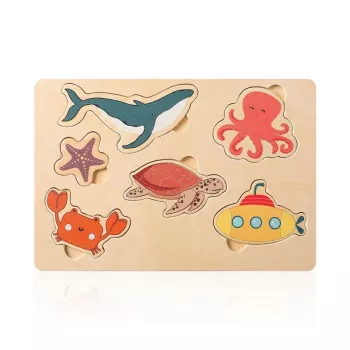
A big segment of “wooden animal figurines” is tied to wooden puzzles and sorting games, where the animal pieces double as stand-alone figures. These are usually made in dedicated wood-toy facilities that can precisely cut repeating shapes and sand them smooth at scale. If you’re comparing options for toddlers—like how thick the pieces are, how easy they are to grasp, and what materials are used—this guide is a helpful place to start: wooden animal and vegetable puzzle guide for toddlers.
What to look for to identify the maker
If you’re trying to confirm who made a specific figurine, check the product listing for the studio or brand name, country of origin, and finish type. Look for notes about safety testing (especially for toddlers), the wood species (like beech, maple, or birch), and whether the paints are water-based and non-toxic.
FAQ
What wood is best for wooden animal toys?
Hardwoods like beech, maple, and birch are popular because they’re durable, smooth when sanded, and hold up well to frequent handling. For toddler toys, a tight grain and a sturdy finish help resist dents and splinters.













Leave a comment