Why Gel Seat Cushions Breathe Better Than Foam
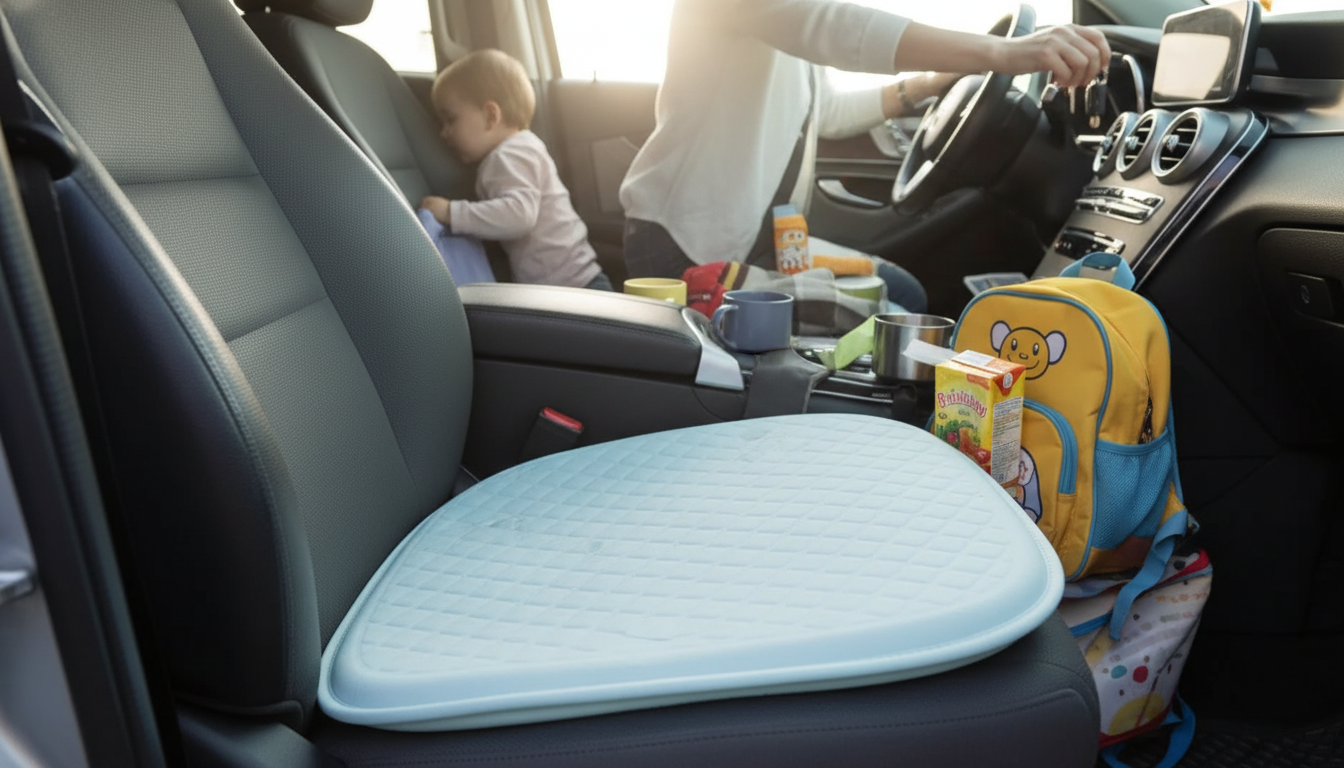
How does a gel seat cushion improve breathability compared to foam cushions?
Answer
Gel seat cushions tend to feel cooler and “airier” than many foam cushions because of how they manage airflow and heat. Traditional foam—especially memory foam—compresses under body weight and molds closely to your shape. That close contact can reduce the amount of air circulating near your skin, which makes it easier for heat and moisture to build up during long sits.
Gel cushions are often built around a honeycomb or column-style grid. That open structure creates thousands of small channels where air can move as you shift positions. When you sit down, the grid compresses; when you slightly move, it rebounds and “pumps” air through the openings. This consistent micro-ventilation helps carry heat away from the contact area instead of trapping it.
Another difference is how heat spreads. Foam is a good insulator, so warmth can concentrate where your body presses most. Many gel designs disperse pressure across the grid and reduce that “sealed” feeling. Less continuous surface-to-surface contact can translate to less heat retention and less sweating, especially in warm rooms or on fabric seats.
Breathability also depends on the cover. Gel cushions commonly come with removable, mesh-like covers that encourage airflow and wick moisture. Foam cushions may have plush covers that feel soft but can further limit ventilation. If staying cool is the goal, pairing an open-grid gel core with a breathable cover is usually the most effective combo.
For a deeper breakdown of materials and what to look for when choosing a cooler cushion, visit the main article.
For Why Gel Seat Cushions Breathe Better Than Foam, the best answer depends on fit, material, care instructions, and how the product will be used day to day.
FAQ
Do gel seat cushions feel cooler for long sitting sessions?
Many do, because the open grid design allows air to circulate and reduces heat buildup. The cooling effect is strongest when the cushion has a ventilated cover and you’re sitting in a warm environment or for extended periods.












Leave a comment