Antique European Resin Standing Pendulum Clock Décor Guide
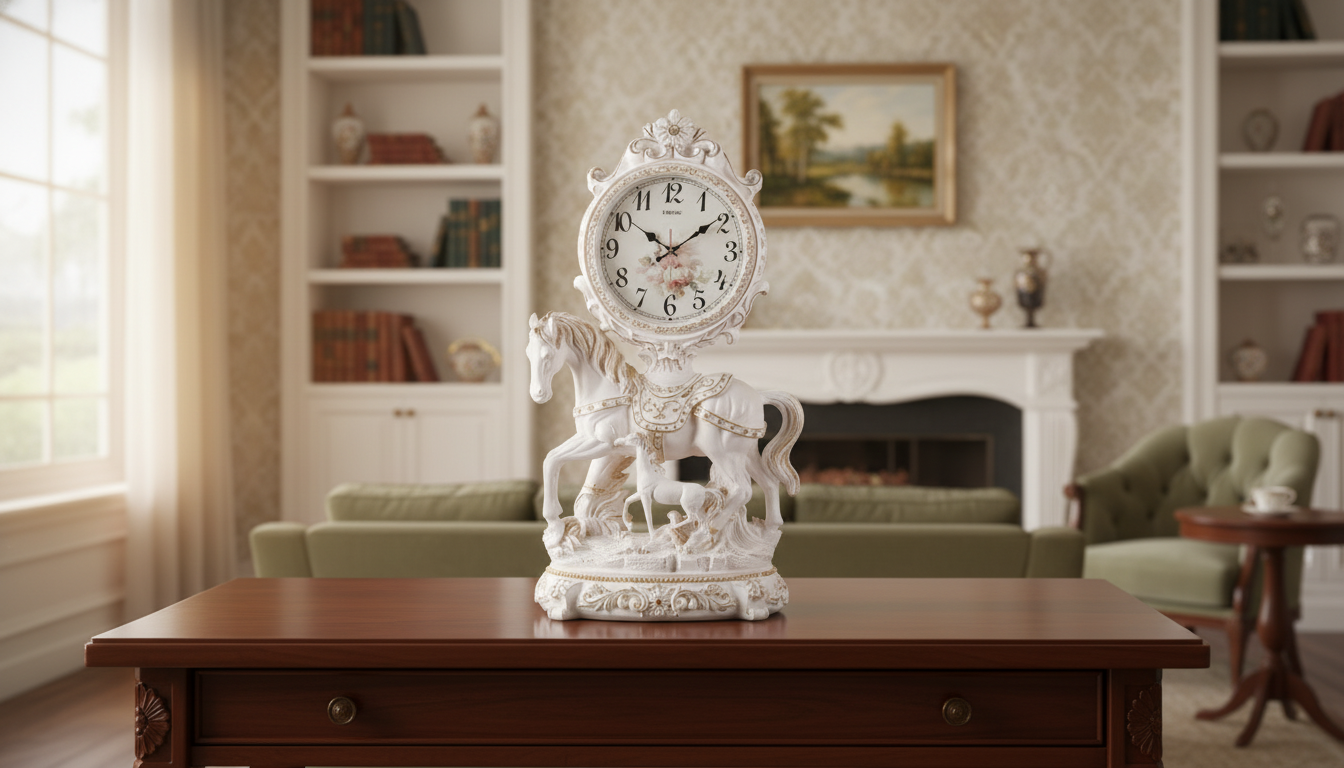
Antique European Style Resin Standing Pendulum Clock
A standing pendulum clock adds architectural presence, gentle motion, and old-world character to a room. This antique European–inspired resin design is made to deliver the look of a classic floor clock with a decorative pendulum silhouette—ideal for entryways, living rooms, libraries, and formal corners that need a focal point.
While early pendulum timekeeping is rooted in centuries of innovation, today’s décor-forward standing clocks are often chosen as much for their sculptural impact as their ability to display time. For a quick refresher on why pendulums became so important to clockmaking, see Encyclopaedia Britannica’s overview of the pendulum and Smithsonian Magazine’s look at the history of clocks.
Why a standing pendulum clock changes a room
Some pieces don’t just decorate a space—they organize it. A standing pendulum clock has a tall, steady profile that helps large walls and open corners feel intentional rather than empty.
- Creates a vertical focal point that visually anchors large walls and open corners
- Adds movement and rhythm through the pendulum element, even when the rest of the décor is still
- Pairs naturally with traditional, French country, baroque, and eclectic interiors
- Works as both functional time display and sculptural décor
In rooms that skew “low” (low media consoles, low-back seating, wide rugs), the upright silhouette restores proportion and makes the layout feel complete—especially when paired with warm lighting and a few classic finishes.
Design notes: antique European styling in resin
Antique European-inspired décor leans into curves, framed dials, and ornamental details that echo traditional craftsmanship. Resin is a practical medium for capturing that look with consistent patterning and crisp contours.
- Resin construction supports ornate contours and carved-like detailing that would be difficult to achieve consistently in some natural materials
- Antique European styling typically emphasizes curved profiles, decorative columns, and vintage-inspired dial framing
- Resin is generally easier to maintain than porous wood finishes and can be less sensitive to minor humidity changes
- Best used as an accent piece where detailing can be seen—near natural light or layered with warm lamps
For the most authentic “collected” feel, balance the clock’s detailing with calmer shapes nearby: a clean-lined console, a restrained mirror, or understated seating upholstery that lets the silhouette stand out.
Placement and proportion guide
Where the clock stands matters as much as what it looks like. The goal is clear sightlines, comfortable circulation, and enough breathing room around the base so the piece reads as a deliberate focal point.
- Entryway: place where it’s visible from the door; keep nearby surfaces minimal so the clock reads as the hero piece
- Living room: position in a corner beside a sofa or console; balance with a tall plant or floor lamp on the opposite side of the room
- Dining room: set along a side wall to complement a buffet or bar cart without crowding seating paths
- Study/library: pairs well with bookcases and classic frames; keep glare off the dial by angling light sources
- Allow enough clearance for doors, drawers, and foot traffic so the base isn’t repeatedly bumped
Quick placement checklist
| Location | What to aim for | What to avoid |
|---|---|---|
| Entryway | A clear sightline and a tidy vignette | Crowding with umbrellas, bags, or stacked shoes |
| Living room corner | Balanced height with nearby seating | Blocking pathways or placing too close to speaker vibration |
| Dining room | A composed backdrop near storage furniture | Tight spacing that interferes with chairs |
| Study/library | Warm layered lighting and classic materials nearby | Direct harsh light reflecting on the dial area |
Styling ideas that match the antique look
Antique-inspired pieces look best when they’re supported by a few intentional choices—warm metals, layered textiles, and classic shapes that feel timeless rather than themed.
- Metal finishes: brass, antique gold, and warm bronze tones reinforce the classic European mood
- Textures: pair with velvet, linen, tapestry-style pillows, and carved wood accents for depth
- Wall pairing: hang a single large artwork or an oval mirror nearby; keep frames traditional or gilded
- Color palette: creams, deep greens, oxblood, navy, and walnut tones complement antique-inspired pieces
- Flooring: place on a stable, level surface; if using a rug, choose a low pile so the base sits evenly
To prevent the room from feeling overly ornate, mix one statement classic piece with a few “quiet” modern forms—especially in side furniture and coffee tables.
Care and upkeep for resin décor clocks
What to look for before buying a standing pendulum clock
Featured piece
Antique European Style Resin Standing Pendulum Clock: a statement décor clock designed to bring classic European character to modern interiors. Ideal for formal living rooms, entryways, libraries, and styled corners that benefit from vertical emphasis.
For a polished mix of old and new, pair it with reflective metals and streamlined shapes—like the Modern Gold Stainless Steel Coffee Table—or keep the surrounding pieces visually light with the Minimalist Acrylic Side Table. That contrast helps the clock read as intentional and collected, not overly busy.
FAQ
Is a resin standing pendulum clock durable enough for everyday use?
Resin décor pieces are generally durable for indoor use, especially when placed on a stable, level surface. Avoid impacts, repeated bumps, and prolonged heat or direct sun to help preserve the finish and detailing.
Where should a standing pendulum clock be placed in a living room?
Corner placement or a wall-adjacent spot with clear sightlines usually works best. Leave enough clearance for foot traffic and cleaning, and position it so it balances nearby seating rather than crowding the pathway.
How should a decorative pendulum clock be cleaned without damaging the finish?
Dust with a microfiber cloth, then use a lightly damp cloth for marks and dry immediately. Skip abrasive pads and harsh solvents, and use gentle passes around ornate crevices to keep edges and raised details crisp.












Leave a comment