Genuine Leather Ankle Boots with Stable Thick High Heel
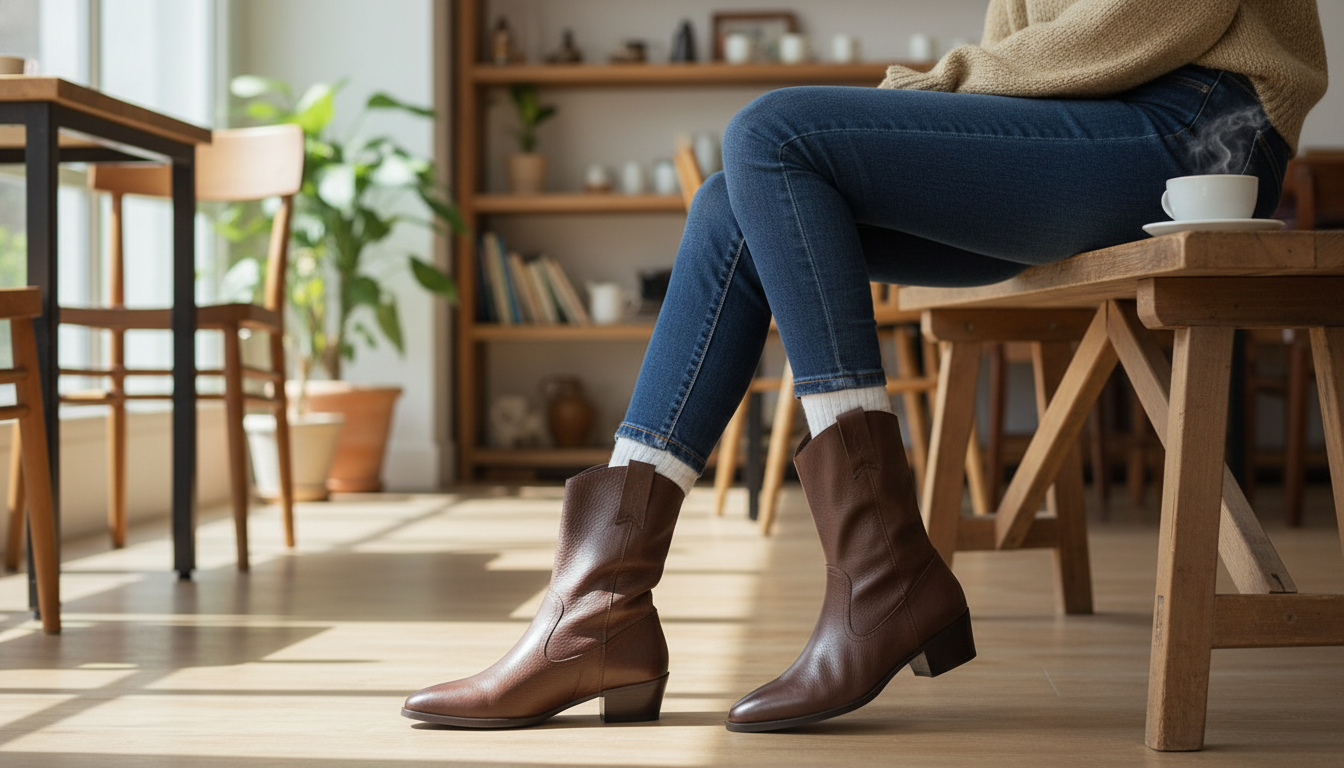
Elegant Women’s Genuine Leather Ankle Boots with Thick High Heels
A polished ankle boot with a stable, thicker high heel is one of the easiest ways to elevate everyday outfits without sacrificing confidence in your stride. Genuine leather brings structure, a refined finish, and long-term wear potential—making this style a strong choice for workdays, dinners, and dressier events alike. For more guidance, see heel boots – Rice University.
What Makes These Ankle Boots Stand Out
- Genuine leather upper for a sleek look that can soften and mold with wear.
- Thick high heel for a more grounded, balanced feel than a thin stiletto profile.
- Ankle-height silhouette that pairs well with trousers, denim, and skirts across seasons.
- Dress-forward styling that still works for everyday wardrobes when paired with simple staples.
When an outfit needs instant polish, an ankle boot does the job without the “too formal” feeling of a tall boot or the fuss of delicate heels. The thick heel helps keep the profile elevated while staying practical for commuting, standing at events, or moving through a full day of plans. For further reading, see Fashion boot – Wikipedia.
Materials and Build: Why Genuine Leather Matters
- Leather’s natural fiber structure can offer better shape retention and durability compared with many synthetics when properly cared for.
- A smooth leather finish typically looks sharper for office outfits and evening wear, especially under indoor lighting.
- With conditioning and gentle cleaning, leather can maintain flexibility and reduce the chance of surface cracking over time.
- Look for clean seamwork, even stitching, and a secure heel attachment—these are practical signs of long-lasting construction.
Genuine leather often looks better as it’s worn, developing subtle character while maintaining a tailored silhouette. If you’re building a wardrobe around fewer, better staples, a well-constructed leather ankle boot can be one of the most repeated wears—especially during transitional seasons when outfits shift between light layers and colder-weather pieces.
For deeper care guidance, see practical tips from Wirecutter’s leather care guide and a straightforward breakdown of cleaning and conditioning routines from Cobblers Plus.
Heel Comfort and Stability: Getting the Most from a Thick High Heel
- A thicker heel generally increases surface contact with the ground, which can feel steadier during long walks, commuting, or standing at events.
- Support comes from more than heel shape—overall comfort also depends on arch support, insole cushioning, and a secure fit through the instep.
- For slippery indoor floors, consider adding discreet traction pads; for outdoor wear, a periodic sole check helps maintain grip.
- A short break-in routine (wearing for 30–60 minutes indoors) can help the leather relax in pressure zones without over-stretching.
Thick heels are often a sweet spot for dressier footwear because they keep the elongated leg line of a high heel while reducing the “wobble factor” that can come with narrow heel tips. The key is dialing in fit and support: a stable heel feels even better when the instep holds the foot securely and the toes have room to relax rather than brace.
If you’re refining comfort habits (like rotating shoes and easing into break-in), the American Podiatric Medical Association’s foot comfort basics are a helpful reference point.
Fit and Sizing Tips for Ankle Boots
- Aim for a snug-but-not-tight feel at the heel so it doesn’t lift while walking; slight movement can be normal early on but shouldn’t cause rubbing.
- Toe room matters in heeled boots—there should be enough space to wiggle toes without the foot sliding forward.
- Check the ankle opening: it should sit comfortably without pinching, especially if pairing with thicker socks in cooler months.
- If between sizes, consider how you plan to wear them (thin hosiery vs. thicker socks) and whether you prefer a closer or roomier fit.
Quick Fit Checklist
| Fit area | What to look for | Simple at-home test |
|---|---|---|
| Heel | Secure with minimal slip | Walk on carpet: heel should not pop out |
| Toes | No cramping or pressure on the big toe | Stand still: toes should stay relaxed |
| Instep | Snug without squeezing | Flex foot: no sharp pressure across top |
| Ankle opening | Comfortable contact without rubbing | Take a few steps: no bite at the ankle bone |
For the most accurate fit at home, try boots later in the day (when feet are naturally a bit fuller) and with the sock thickness you’ll wear most often. A leather upper can relax slightly, but a boot that pinches from the start rarely becomes a favorite—especially around the toe box and instep.
Styling Ideas: From Workwear to Evening
Care and Maintenance for a Long-Lasting Finish
Product Details at a Glance
- Name: Elegant Women’s Genuine Leather Ankle Boots with Thick High Heels
- Price: 151.47 USD
- Availability: In stock
- Best for: dressy everyday wear, office outfits, and evening styling where stability matters
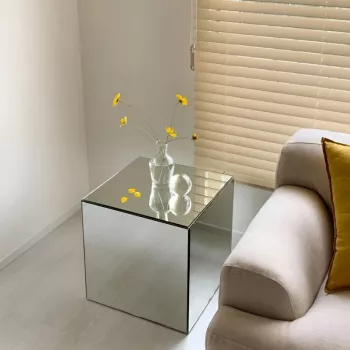
If you’re curating a polished home setup to match a refined wardrobe, these in-stock pieces also pair well with an elevated, minimal aesthetic: Minimalist Acrylic Side Table and Modern Gold Stainless Steel Coffee Table.
FAQ
Are thick high heels easier to walk in than stilettos?
Often, yes—thick high heels can feel more stable because the broader base increases contact with the ground. Comfort still depends on factors like fit, arch support, cushioning, and outsole grip.
How should genuine leather ankle boots be cleaned and conditioned?
Wipe off dust with a soft cloth, spot-clean with a slightly damp cloth when needed, and let the boots air-dry away from direct heat. Condition occasionally to keep the leather supple, and always test products on a small, hidden area first.
How tight should ankle boots feel at first?
They should feel secure but not pinching—leather may relax slightly, but pressure points shouldn’t be ignored. Heel slip should be minimal, toes should have room, and short indoor break-in sessions can help the upper ease comfortably.












Leave a comment