Autumn-Ready Cotton Knit Baby Romper: Soft & Cozy
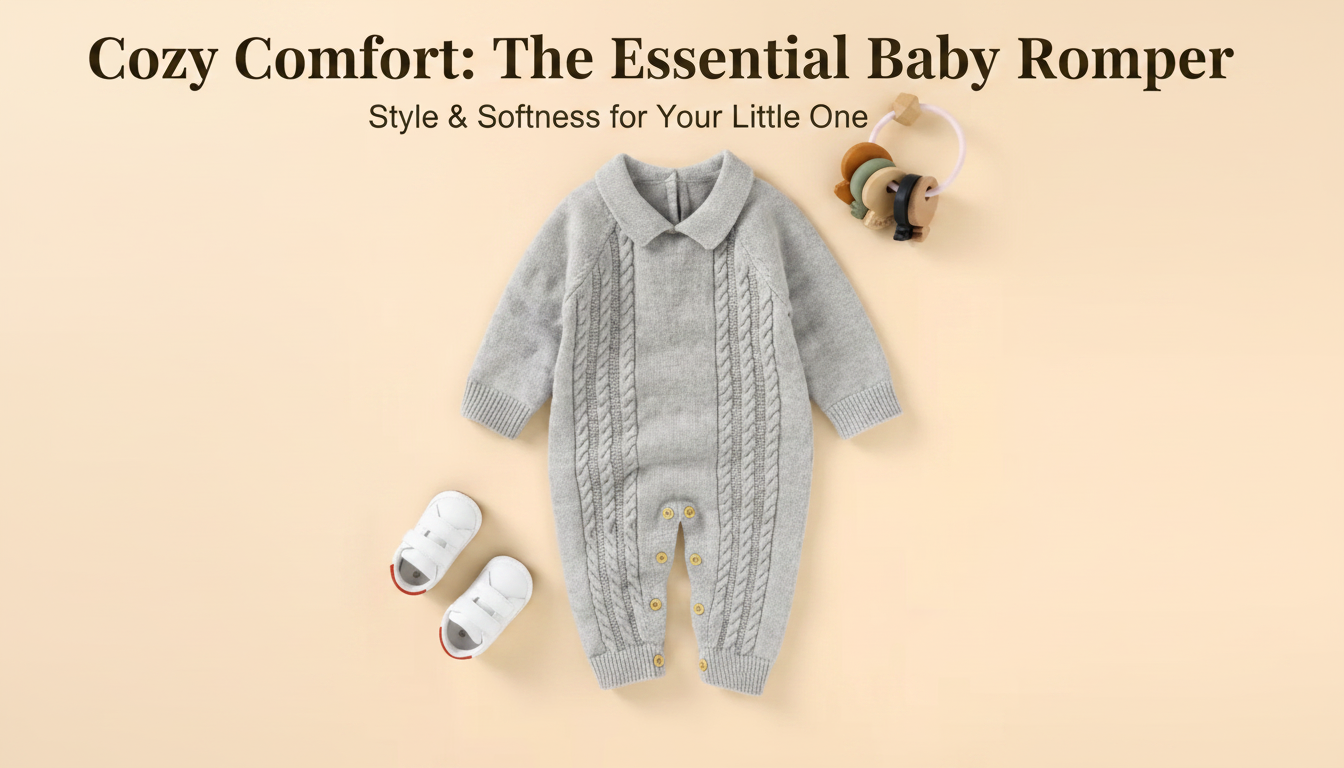
Cozy Cotton Knitted Baby Romper for Crisp Autumn Days
A long-sleeve knitted romper is a practical go-to for newborn comfort in cooler weather: warm enough for outings, gentle enough for sensitive skin, and simple to layer for naps, stroller walks, and visits with family. The best options balance softness, breathable warmth, and an easy fit—so the outfit works smoothly during real diaper changes, car-seat transitions, and cuddly afternoons at home.
What Makes a Knitted Cotton Romper a Good Autumn Staple
Autumn weather tends to swing between sunny afternoons and chilly evenings, and that’s where cotton knit shines. A soft, breathable knit helps babies stay comfortable as temperatures shift, without the clammy feel that can happen with heavier fabrics. Long sleeves add reliable coverage, which is especially helpful during quick transfers from house to car seat or when a stroller canopy doesn’t fully block the breeze.
Because it’s a one-piece, a romper also avoids waistband pressure on tiny tummies and reduces the chances of a shirt riding up in a carrier. The textured knit adds a cozy feel while still allowing airflow—often a more adaptable choice than thick fleece when days aren’t consistently cold.
Fabric and Skin Comfort: What to Look For
Cotton is commonly chosen for newborn clothing because it’s breathable and typically well-tolerated by sensitive skin. Knitted construction adds natural stretch, which can reduce tugging during dressing and allow gentler movement during kicks, wiggles, and contact naps.
Small construction details matter. Check interior seams and finishing at the neck, wrists, and inner thighs—areas that can rub during movement or when a baby is strapped into a car seat. If a baby is prone to eczema or irritation, a thin, soft base layer under the romper can reduce friction while keeping warmth consistent.
| Feature | Why it matters for newborns | What to check |
|---|---|---|
| Breathability | Helps prevent overheating | Cotton knit that feels light and airy when held up |
| Soft hand-feel | Reduces rubbing on delicate skin | Smooth interior, no rough seams at neckline and cuffs |
| Gentle stretch | Easier dressing and movement | Knit that rebounds without feeling tight |
| Comfortable cuffs | Keeps sleeves in place without marks | Cuffs that sit flat and don’t dig in |
Warmth Without Overheating: Layering Ideas for Autumn
Autumn dressing is all about flexible layers that can be added or removed quickly. Indoors, many babies are comfortable in a long-sleeve romper alone if the room is consistently heated; socks or booties help if floors run cool. Outdoors, a lightweight jacket or cardigan over the romper usually adds enough warmth for short walks, and a hat can make a noticeable difference since babies lose heat quickly through their heads.
For stroller rides, a breathable blanket over the legs is often more adjustable than piling on heavy layers that can trap heat. Car seats deserve special attention: avoid bulky outerwear under harness straps. A safer approach is using the romper as the close-to-body base layer, buckling securely, then placing a blanket on top once the harness is fastened.
Keep an eye out for signs of overheating such as sweating at the back of the neck, flushed skin, or rapid breathing. For safe-sleep and temperature guidance, review the American Academy of Pediatrics recommendations here: AAP — Safe Sleep Recommendations.
Fit and Sizing Notes for Newborns
A newborn-friendly fit should allow room for a diaper without pulling at the crotch or restricting leg movement. If snaps or seams look strained when a diaper is full, sizing up (or choosing a roomier cut) can improve comfort. Neck openings should also be wide enough for gentle dressing—newborns do best when clothing slides on without forcing the head through a tight collar.
If between sizes, consider body shape. Knitted cotton typically offers a bit of flexibility, but torso length still matters: a too-short romper can ride up and pull at the shoulders. For photo days and special outings, a slightly roomier fit can look relaxed and stay comfortable longer across the season.
For general newborn comfort basics, including practical clothing considerations, see: Mayo Clinic — Newborn care basics.
Everyday Practicality: Dressing, Diaper Changes, and Outings
For additional product safety considerations when shopping for infant items, the U.S. Consumer Product Safety Commission is a solid reference: CPSC — Infant and Children’s Product Safety.
Care Tips to Keep the Knit Looking New
Gift-Ready Comfort for New Parents
In-Stock Picks for a Cozy Season
- Cozy Cotton Knitted Baby Romper Long Sleeve Autumn Onesie for Newborns — a snug-looking knit style that works well as a base layer for fall outings and indoor naps.
- Minimalist Acrylic Side Table — a clean, modern surface that can be useful next to a rocking chair or feeding spot for keeping burp cloths, bottles, or a small lamp within reach.
- Modern Gold Stainless Steel Coffee Table — a statement piece for family spaces where you might set down a diaper caddy, blankets, or a tray during visits.
FAQ
Can a knitted cotton romper be worn for sleep?
It can, as long as the fit is secure (not overly loose) and the baby isn’t overdressed for the room temperature. Follow pediatric safe-sleep guidance, keep the sleep space free of loose items, and adjust layers if you notice overheating.
How should a newborn romper fit around the diaper area?
There should be enough room for a full diaper without pulling at snaps or seams, and the baby should be able to move legs freely. If you see red marks at the thighs or the crotch looks tight, try a roomier size or a more flexible knit.
How do you wash knitted baby clothes to prevent shrinking?
Use a gentle cycle with cool or lukewarm water and a mild detergent, then avoid high-heat drying. Reshape while damp and air-dry flat when possible to help the knit keep its original size and structure.















Leave a comment