Best Action Camera Sensor: Why 1/1.3-Inch Wins
Which action camera has the best sensor?
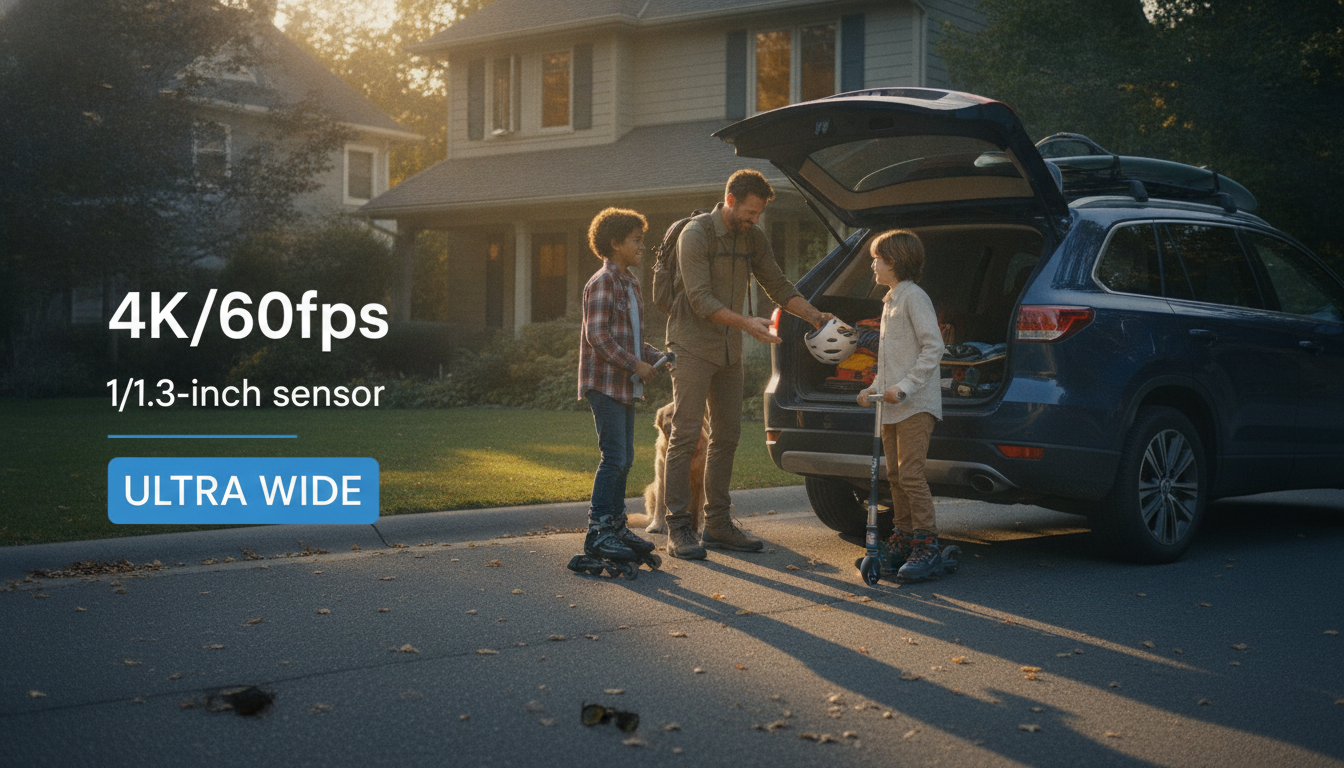
If “best sensor” means the highest potential image quality in challenging light, look for an action camera built around a larger sensor—especially a 1/1.3-inch type. Compared with smaller 1/2.3-inch sensors found in many older or budget models, a 1/1.3-inch sensor generally captures more light, holds onto more highlight detail, and produces cleaner shadows with less noise. That advantage shows up most at dusk, under tree cover on trails, or indoors, where action cams often struggle.
Among current trail-ready options, action cameras featuring a 1/1.3-inch sensor are typically the top picks for pure sensor performance. This class of camera is designed to deliver sharper detail and more natural color in mixed lighting, and it can also provide more flexibility for stabilization and cropping without the image falling apart as quickly.
What to look for beyond “sensor size”
Sensor size is a strong starting point, but it isn’t the only factor that decides real-world image quality. Lens quality, bitrate, in-camera processing, and stabilization all affect how much detail actually makes it into your footage. A camera with a great sensor can still look soft if the lens isn’t sharp or if heavy noise reduction smears fine textures.
For action use, also pay attention to how stabilization is implemented. Advanced stabilization (including 360-style stabilization workflows on some models) can keep footage usable on rough trails, but aggressive stabilization can crop the frame and reduce low-light brightness. The best setups balance a larger sensor with stabilization that doesn’t over-crop or over-process.
For a focused breakdown of trail-proof action cams built around a 1/1.3-inch sensor and strong stabilization, see the full guide here: https://lirete.com/guide-trail-proof-action-cam-1-1-3-sensor-360-stabilization/.
FAQ
Is a 1/1.3-inch sensor noticeably better than a 1/2.3-inch sensor for action videos?
Yes—especially in low light. A 1/1.3-inch sensor typically delivers cleaner shadows, less noise, and better detail retention when lighting drops or contrast gets tricky.














Leave a comment